Christian Dior's Villa in Provence

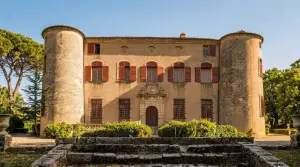
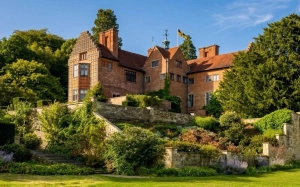
In 1950, at the height of his fame, Christian Dior bought a dilapidated 19th-century castle in Provence. The estate was called La Colle Noire—“Black Hill.” It covered 50 hectares near Grasse, the world capital of perfumery.
“I would like this house to be a place where I can forget Christian Dior the couturier and once again simply be Christian,” he wrote after the deal was finalized.
From the old Dior estate, he acquired two towers, wine cellars, barns, the Chapel of St. Anne, and a vast tract of land with vineyards. The house was in a state of disrepair, so the fashion designer enlisted Russian architect Andrei Svechin to oversee the renovation. Svechin had previously worked on Marc Chagall’s house.
Andrei created a new villa within the old castle. The wine cellars were converted into living rooms, and the service rooms into bedrooms. Terraces were added to the house, offering the best views of the valley. Dior personally sketched the architectural details, supplementing Svechin’s blueprints.
A long cypress-lined avenue led to the house. Beyond it lay a foyer with a floor of small Provençal pebbles. In the center, Dior laid out a compass rose—a symbol of his childhood and the family villa in Normandy.
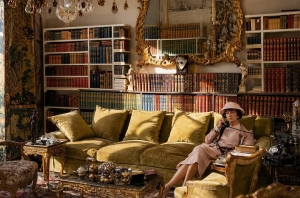
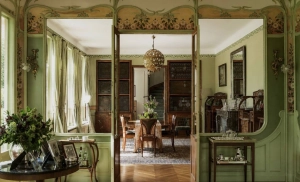
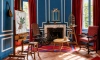
The small living rooms were furnished with plush sofas with long fabric skirts, armchairs with floral upholstery, and antique dressers and side tables found at antique shops.
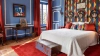
The Harlequin bedroom, with its peacock-turquoise walls, white moldings, African masks, and a blue Indian chest—a nod by the designer to Picasso and his circus. Dior’s bathroom evoked an Empire-style interior. Even the faucets here were designed to resemble gilded swan necks based on his sketches.
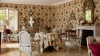
The wallpapered living room was a dramatic statement in itself, where the same floral pattern was repeated on the walls, the upholstery of the armchairs, and the tablecloths. This technique is called “total print.” Interior design magazines wrote about it as the homeowner’s signature touch.
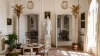
Most of life at La Colle-Noire took place outdoors. Dior planted hundreds of almond trees, three dozen cherry trees, olive trees, grapevines, lavender, jasmine, lily of the valley, and May roses. He walked among the garden beds, talked with the gardeners, and personally oversaw the plantings.
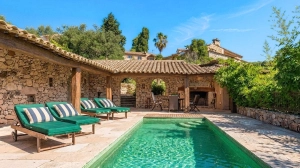
A 45-meter-long, straight pond was built alongside the house. During the day, the towers and the sky were reflected in it, and in the evening, according to Dior himself, “the first stars fell” into the water.
Long lunches were held under the pergola. In the first year, 130 people signed the guestbook. Marc Chagall and members of the bohemian elite of the time came here. The road to the estate was hard to find, so Dior gave his friends a business card with a map drawn on the back.
In October 1957, Christian Dior died suddenly while on vacation in Italy. He was 52 years old. He did not live to see the final move to his Provençal home. Some of the rooms remained unfinished.
The estate passed to his sister, Catherine Dior. It proved impossible to maintain the vast estate, so the house was sold a year later.
Over the course of half a century, the villa changed hands several times, stood vacant, and gradually lost a significant portion of its furnishings. In 2013, the Dior perfume house purchased the estate for €20 million.
For three years, experts searched for the original furniture, restored the interiors based on photographs, and returned the garden to its original appearance. Ten thousand May roses, almond trees, olive trees, and grapevines were replanted here.
In 2016, the estate reopened following its restoration. To celebrate this occasion, Dior launched the fragrance La Colle Noire, with notes of rose, wood, and Provençal earth.
Today, the house is closed to the general public. It hosts private dinners, presentations, and gatherings for friends of the brand.
Christian Dior spent very little time in the completely rebuilt house. But it was the Villa La Colle Noire that became the most accurate reflection of his personality. On the outside—austere architecture; on the inside—antique furniture surrounded by thousands of flowers. And not a single mannequin to remind one of work.



Top Listings in the Moscow Region:
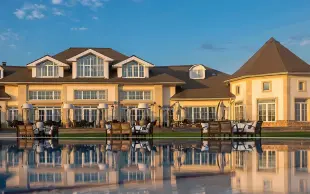
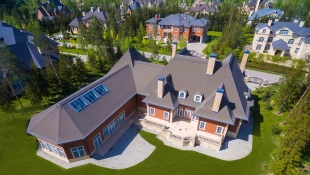
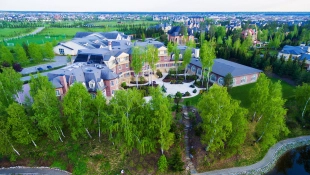
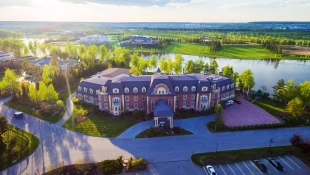
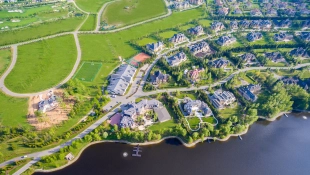

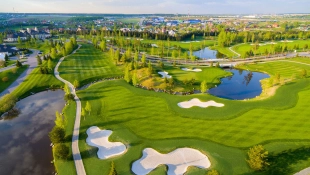
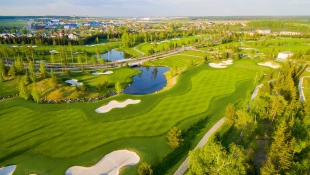
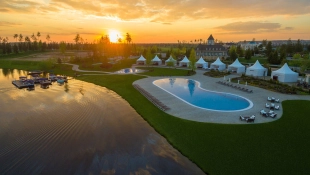
Agalarov Estate is a country estate of 260 cottages and plots. The territory is landscaped in the spirit of English parks. Residents of the estate have access to a rich infrastructure - a club house, tennis courts, fitness center, restaurant, children's English club and a professional 18-hole golf club. The estate is guarded 24 hours a day, seven days a week.
| Lots | Area from |
Price from
|
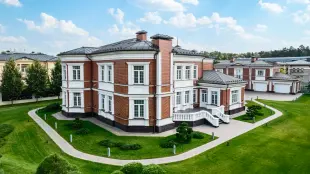
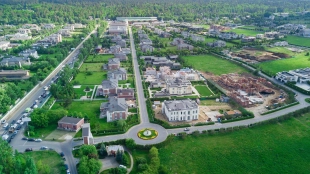
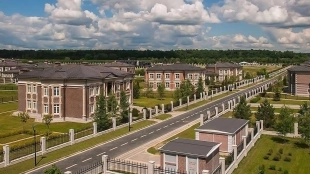
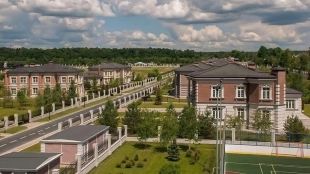
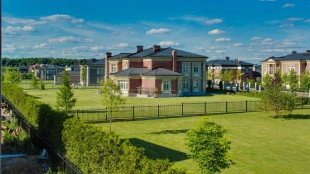
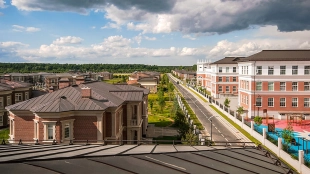
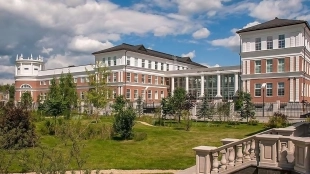

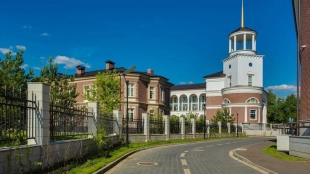
ParkVille is a cottage village of 57 cottages in English classical style and its own landscape park of 40 hectares. There is a large private school, kindergarten and observatory right on the territory for residents. The Barvikha Luxury Village shopping and entertainment complex is just 15 minutes away by car.
| Lots | Area from |
Price from
|
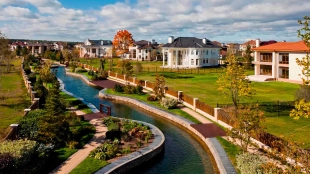
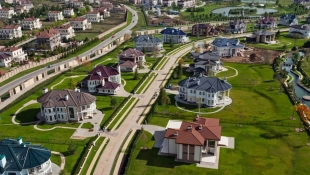
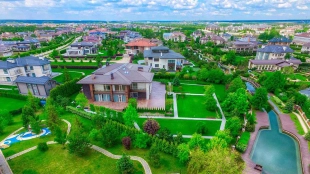
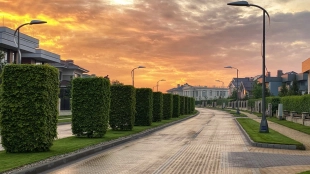
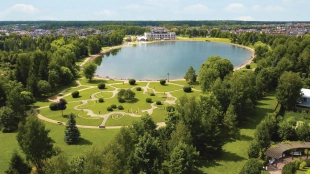
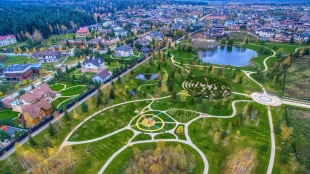
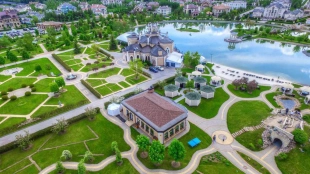
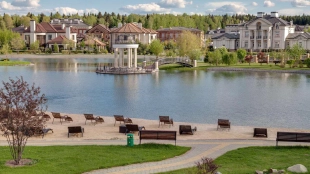
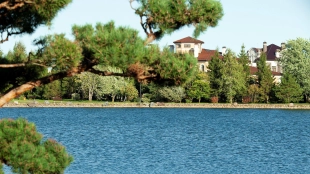
Millennium Park is an elite deluxe-class cottage village in Istrinsky district. There are 670 cottages in neoclassicism and art nouveau style on the territory. The village is a winner in the nomination "Low-rise residential real estate" of the international competition FIABCI Prix d'Excellence. There are 5 parks with canals and sculptures, a lake with sun loungers and a summer cafe, a children's playground, golf, soccer and tennis grounds, and a private kindergarten on the protected territory.
| Lots | Area from |
Price from
|

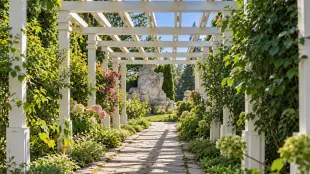
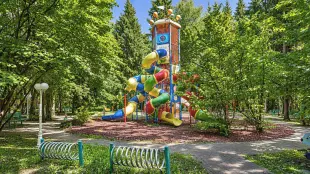
"Nikolino" is an elite guarded cottage village. On the total area of 170 hectares there are more than 300 houses. A luxurious infrastructure has been created for the residents of the settlement: artificial reservoirs in the forest, landscaped parks, children's club, private beach, sports center, restaurant and cafes, stores, tennis courts and bowling alley.
| Lots | Area from |
Price from
|
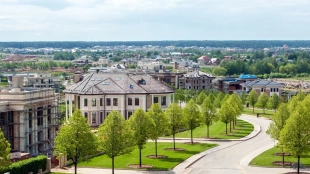

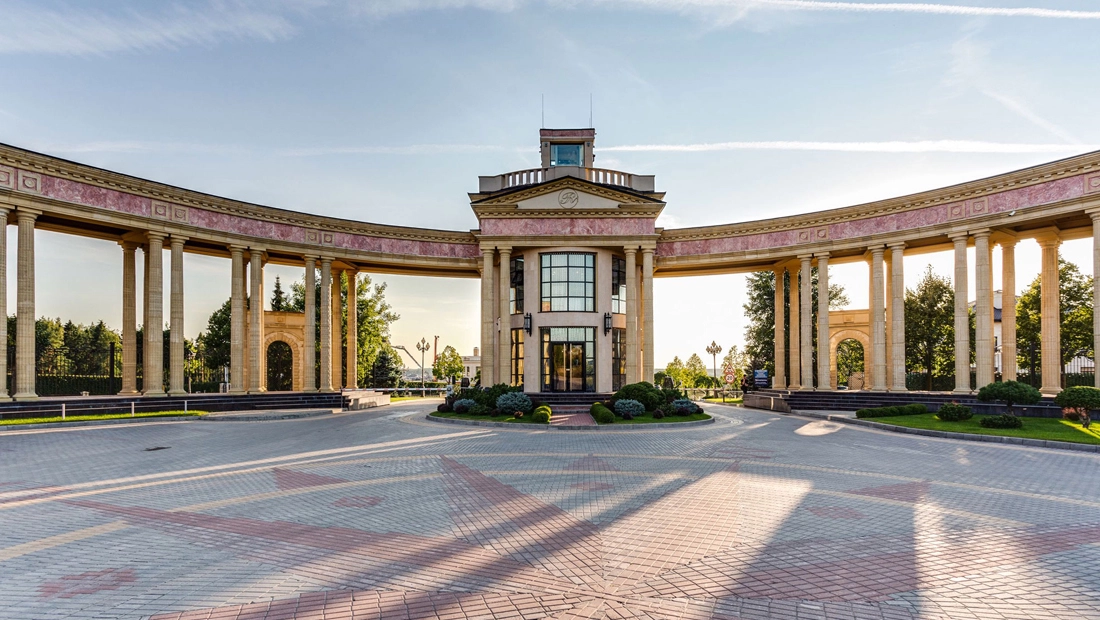
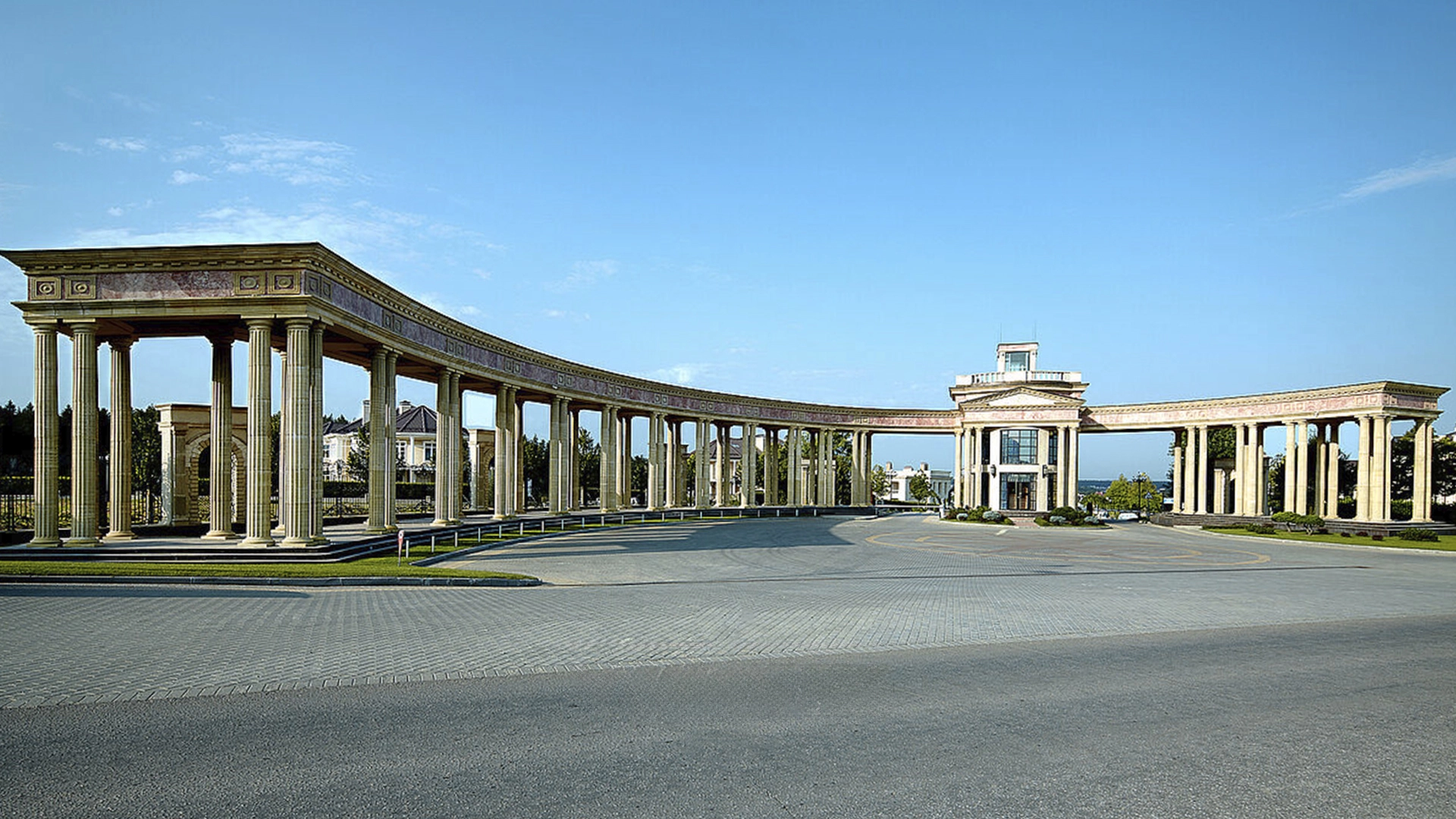
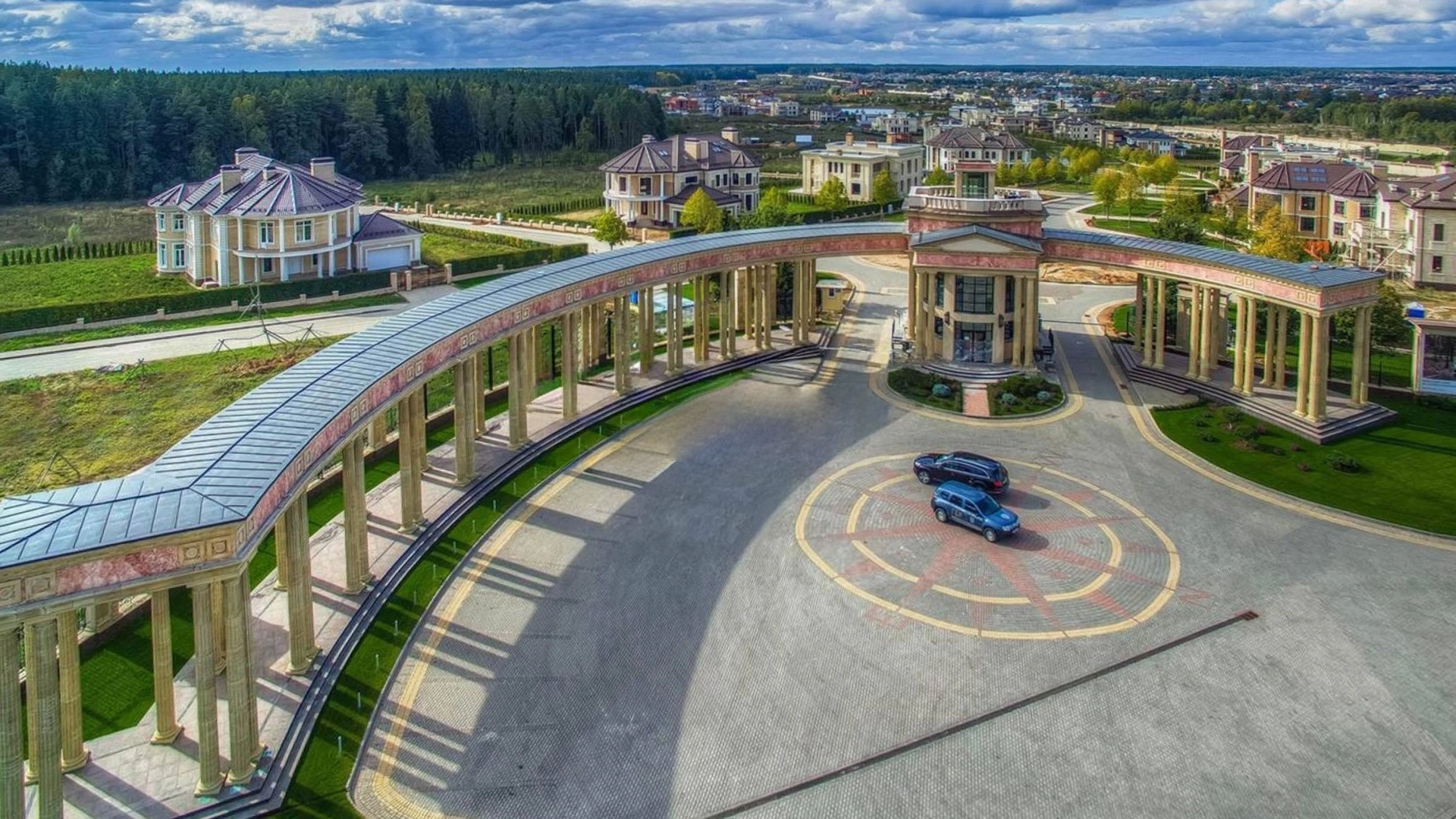
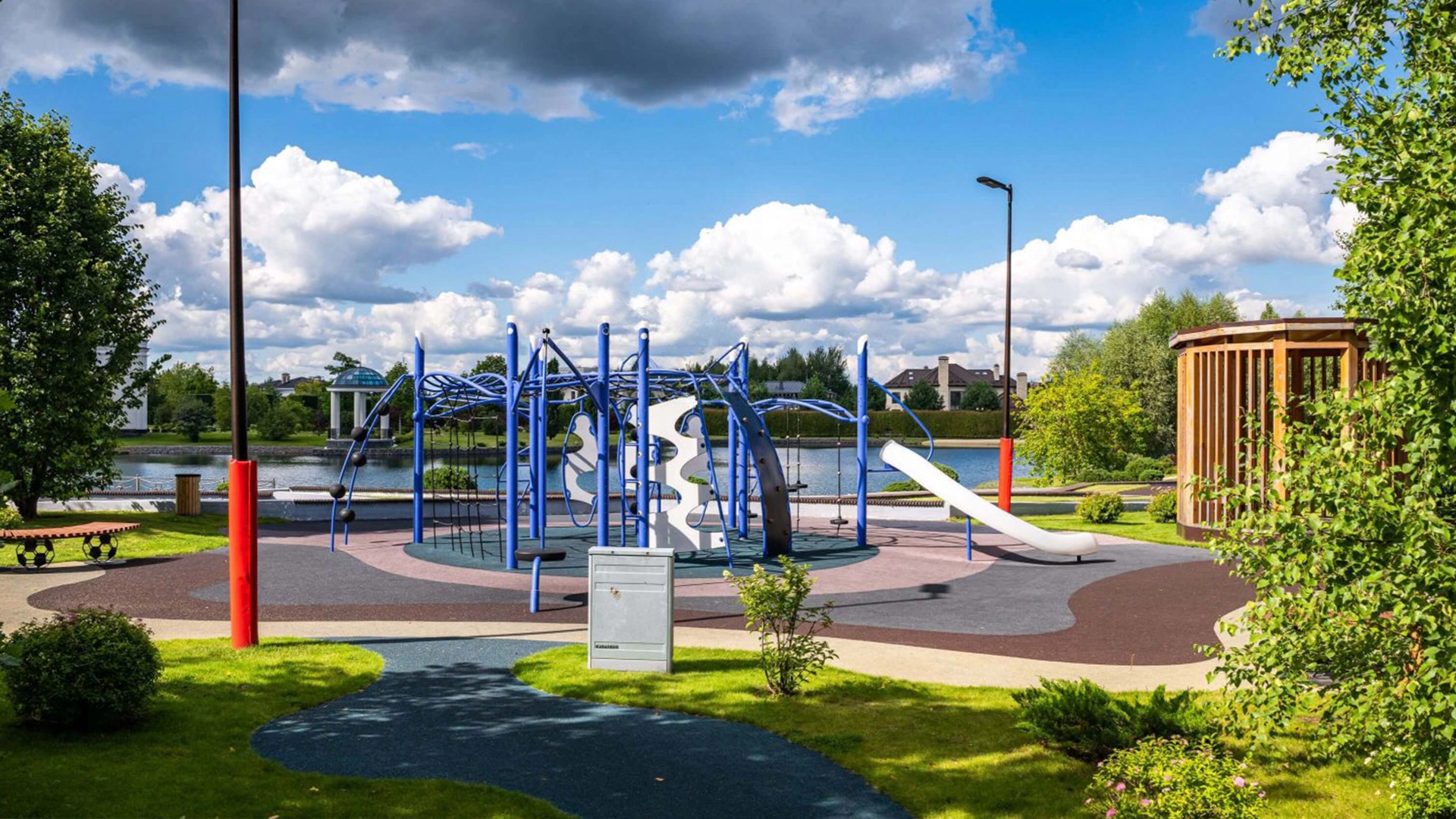
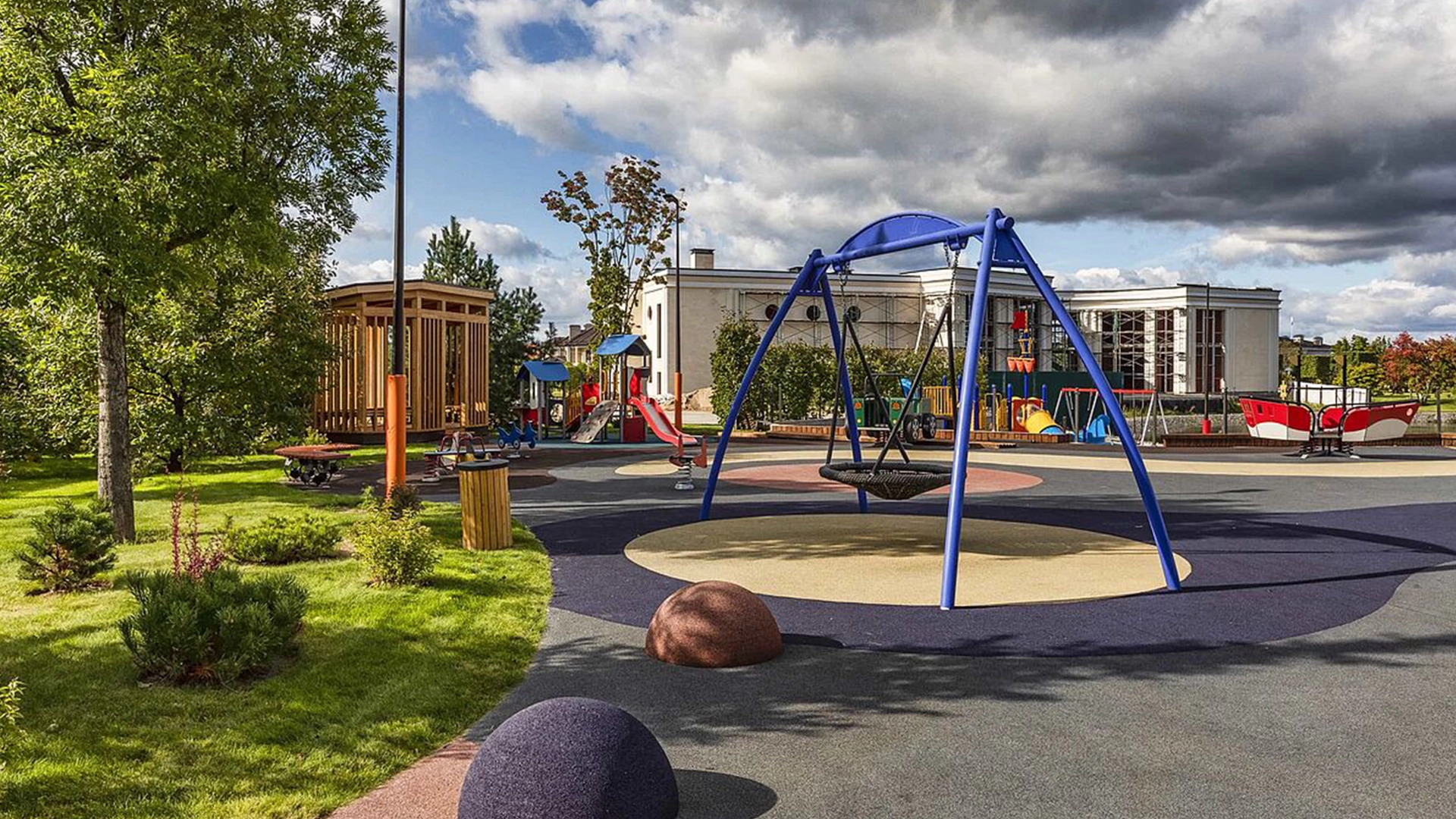
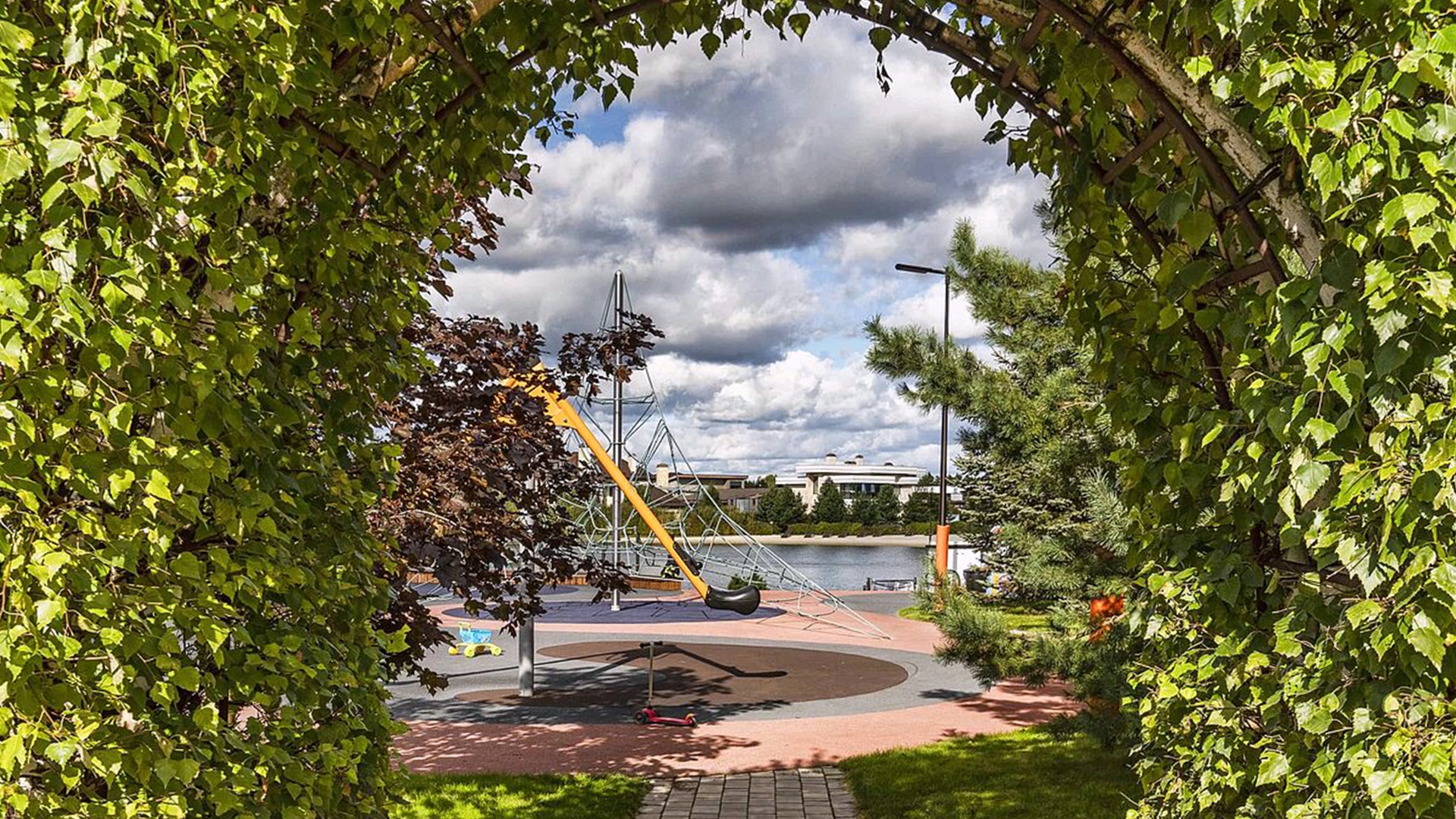
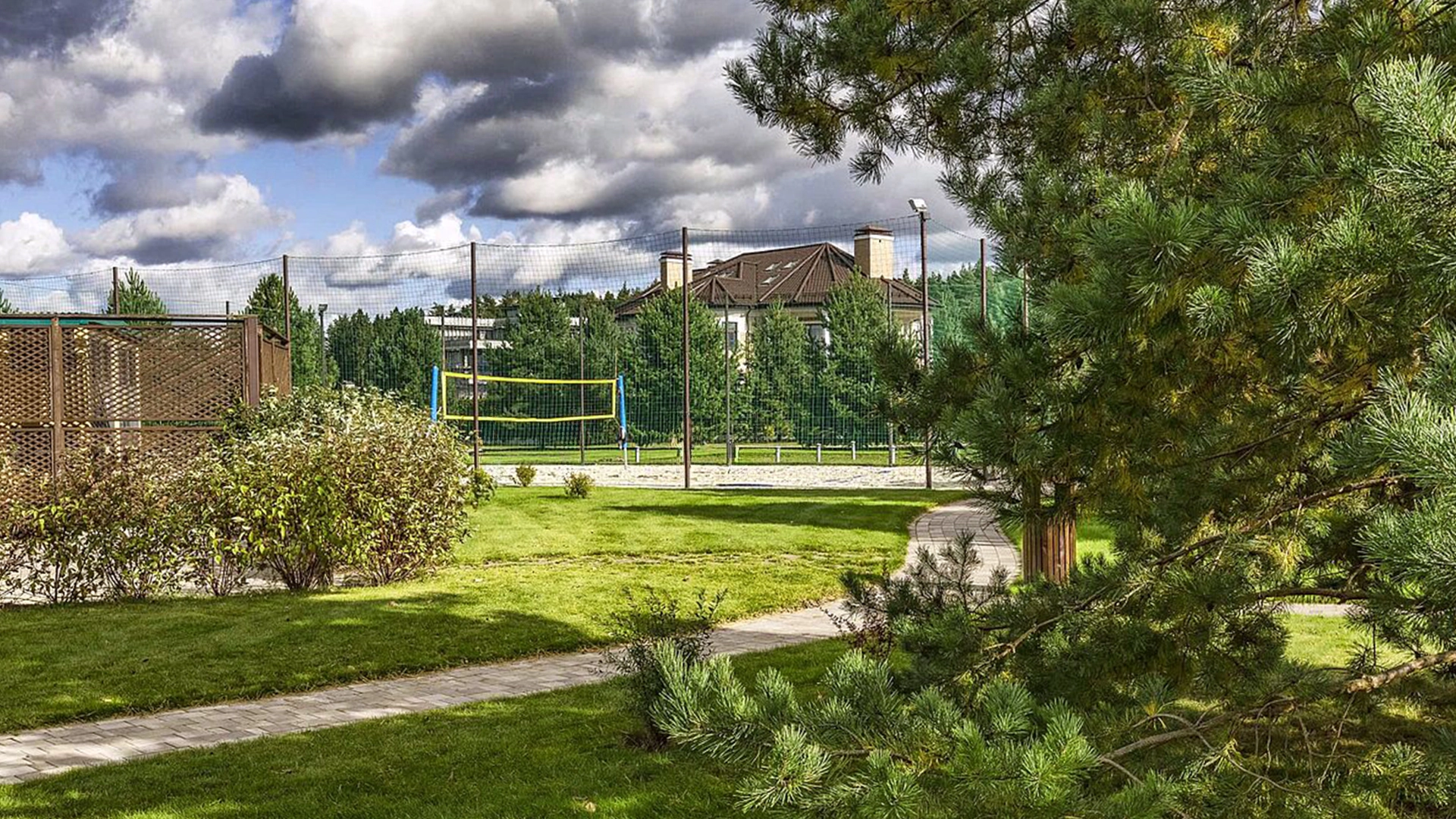
"Renaissance Park" is a cottage village of 312 houses and plots surrounded by a lake and coniferous forest. The cottages are made in "Deco" and "Empire" styles, combining classic and modernity. Each house has an opportunity to connect the "Smart Home" system. A restaurant by the water and a children's club are open for residents, as well as recreation areas near fountains and a sandy beach.
| Lots | Area from |
Price from
|
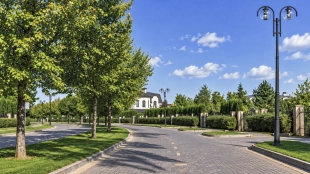
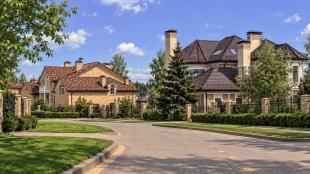
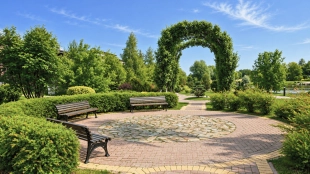
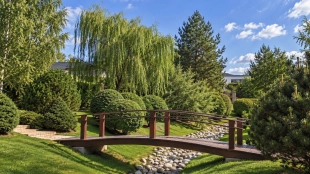
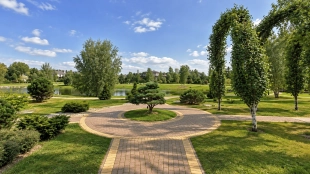
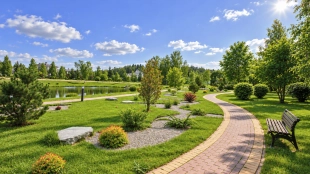
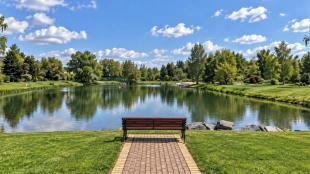
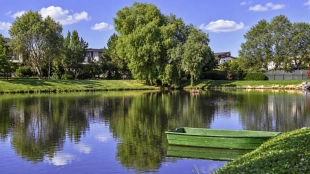
Madison Park is a cottage community near a century-old forest and a picturesque lake. On the territory of 52 hectares there are 163 plots and landscaped parks. Madison Park was awarded the title "Best Elite Village" at the national award "Best Village 2012".
| Lots | Area from |
Price from
|
Read also: