Lenin's Kremlin apartment - how the leader occupied tsarist meters

Before we embalm the subject of Lenin for a long time and go back to Drake and Coco Chanel (this is probably the first time these three names have ever met in the same sentence), I want to show you Lenin's apartment in the Kremlin.
I found some murky archival photos of the interiors of the leader's apartment and reconstructed them with neural networks for the pleasure of your gaze, comrades. After the revolution, power first settled in Petrograd. But in March 1918, the Bolsheviks decided to urgently move to Moscow.
The reason for the hurried move is simple: the Germans were approaching. In Petrograd was becoming dangerous. Moscow was considered more secure and convenient to manage the country. Together with the government moved and Vladimir Lenin. At first, he lived a little in the "National", but after a week he was housed right in the Kremlin.
He was assigned a third-floor apartment in the Senate building in the center of the Kremlin with views into the square. Not so long ago, this place served as the seat of the highest authority of the Russian Empire.
Lenin's neighbors in the Kremlin were Yakov Sverdlov, Felix Dzerzhinsky, and the People's Commissar for Nationalities, Joseph Stalin. The Kremlin became a closed government city inside the capital.
At this time, 59 people were officially registered in the Senate Palace. In total, 1100 people permanently resided in the Kremlin.
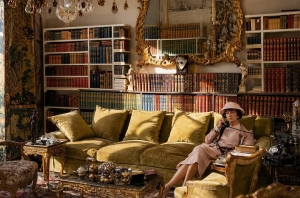
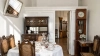
Lenin's apartment was spacious. Living room with a grand piano area of 55 meters. Lenin's bedroom was 18 meters. Next door bedroom of his wife Nadezhda Krupskaya - 23 meters. Another room was occupied by Lenin's younger sister Maria Ilinichna.
There was a separate kitchen in Lenin's apartment. A room for a maid. The bathroom is equipped with a bathtub, shower and a rare for those times European vaterklozetom brand "Ideal Standard". Power to the people. Conveniences for the leader.
The area of the residential part of Lenin's apartment 200 meters. Next door equipped with a meeting room of 110 meters, Lenin's office and reception area. Nearby placed telephonists and guards.
Lenin's family were assigned a French Renault and a British Rolls-Royce. They Lenin used them and for trips outside Moscow. For example, he liked to go to the Tver forests for hunting. For Ilyich's winter trips to the forest used a powerful 12-cylinder American 12-cylinder "Packard". Later for this fun converted and Lenin's favorite "Rolls-Royce".
The rear wheels were removed and replaced with tracks. The front wheels were fitted with wide skis. On this tracked all-terrain vehicle he regularly went to the snowy forests to hunt.
In December, the first elevator in the Kremlin was made for Lenin. After the assassination attempt by Fanny Kaplan, Ilyich was hit by two bullets. The wound made it difficult for him to climb the stairs to the third floor.
Another elevator was put up to make it convenient for Lenin to get to the roof of the Senate, where in the rotunda was equipped with a view gazebo. I assume that for drinking Chinese puerh and hedonistic contemplation of the sunset.
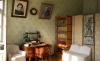
When Lenin suffered his first stroke, the layout of the apartment had to be changed. Part of the apartment was converted into a medical block, where doctors were on duty 24 hours a day.
At this time in the Kremlin was already registered 2100 people in 325 apartments. Bolsheviks valued comfort and wanted to live close to work.
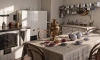
Overcrowding in the Kremlin led to a communal disaster. The commandant constantly received complaints: "Terrible filth in the courtyards and squares, in the houses and in the corridors. Garbage from apartments is not taken out for weeks and stands on the stairs, spreading contagion.
The staircases themselves are not only not washed, they are not swept. Dung, garbage, dead dogs' corpses lie in the yards for weeks. Stray cats roam everywhere, being constant carriers of contagion."
Dreaming of world revolution, the Bolsheviks were looking far ahead to a "bright future". There was no time to be distracted by the garbage heaps in the courtyard of the palace.
Monasteries and church buildings inside the Kremlin were used for household needs and chancery.
Under Lenin, the Kremlin became the real office of the country. Telephones rang round the clock. Couriers ran through the corridors. Meetings went on into the night. And decisions that changed the fate of millions of people were made literally behind the wall of his apartment with a grand piano in the living room.



Best offers in the center of Moscow:
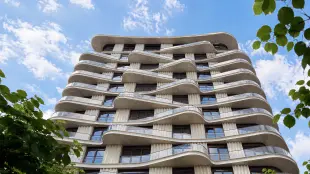

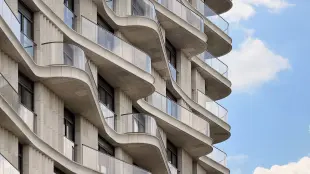
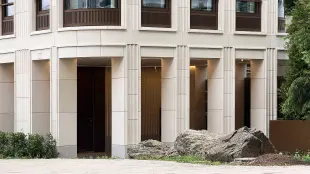
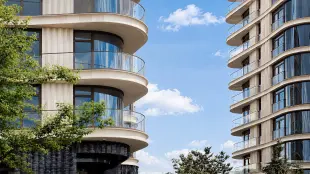
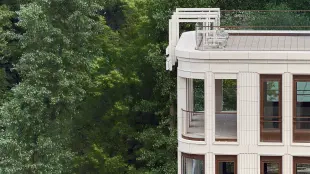
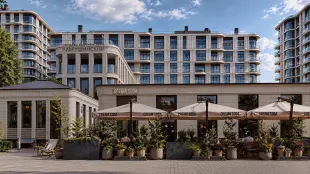
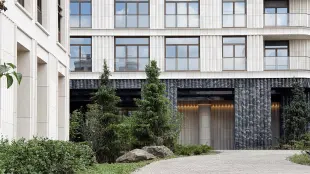
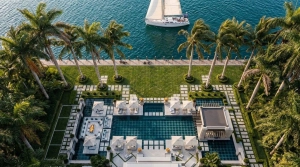
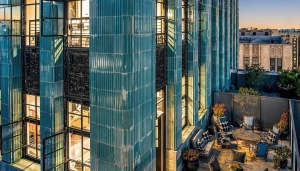
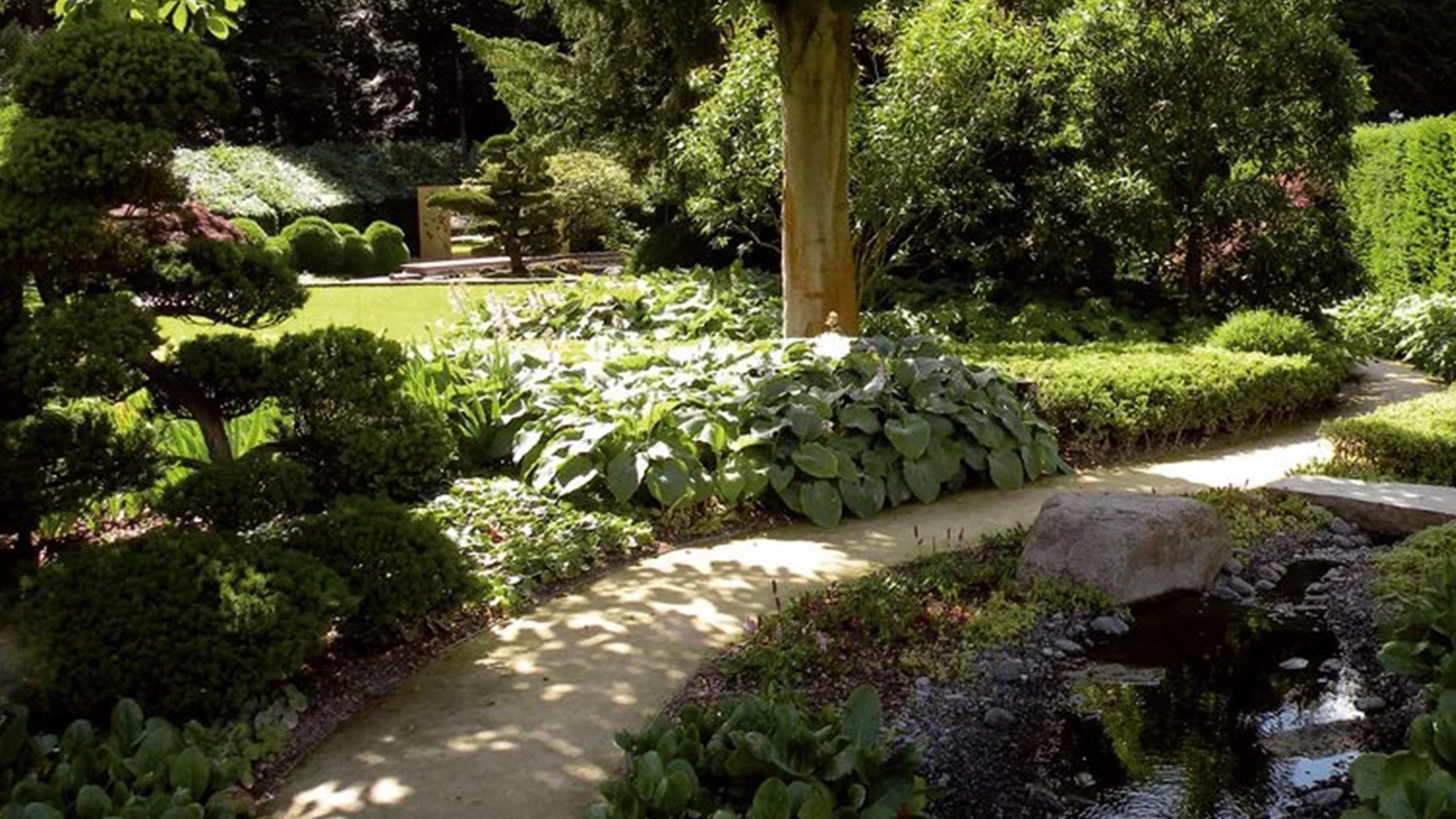
“Lavrushinsky” — a building with the best views of the Kremlin. A private 1.4-hectare courtyard park with a stream and a fountain. A residents-only clubhouse featuring a fitness center with a 25-meter pool and a children’s playroom.
| Lots | Area from |
Price from
|
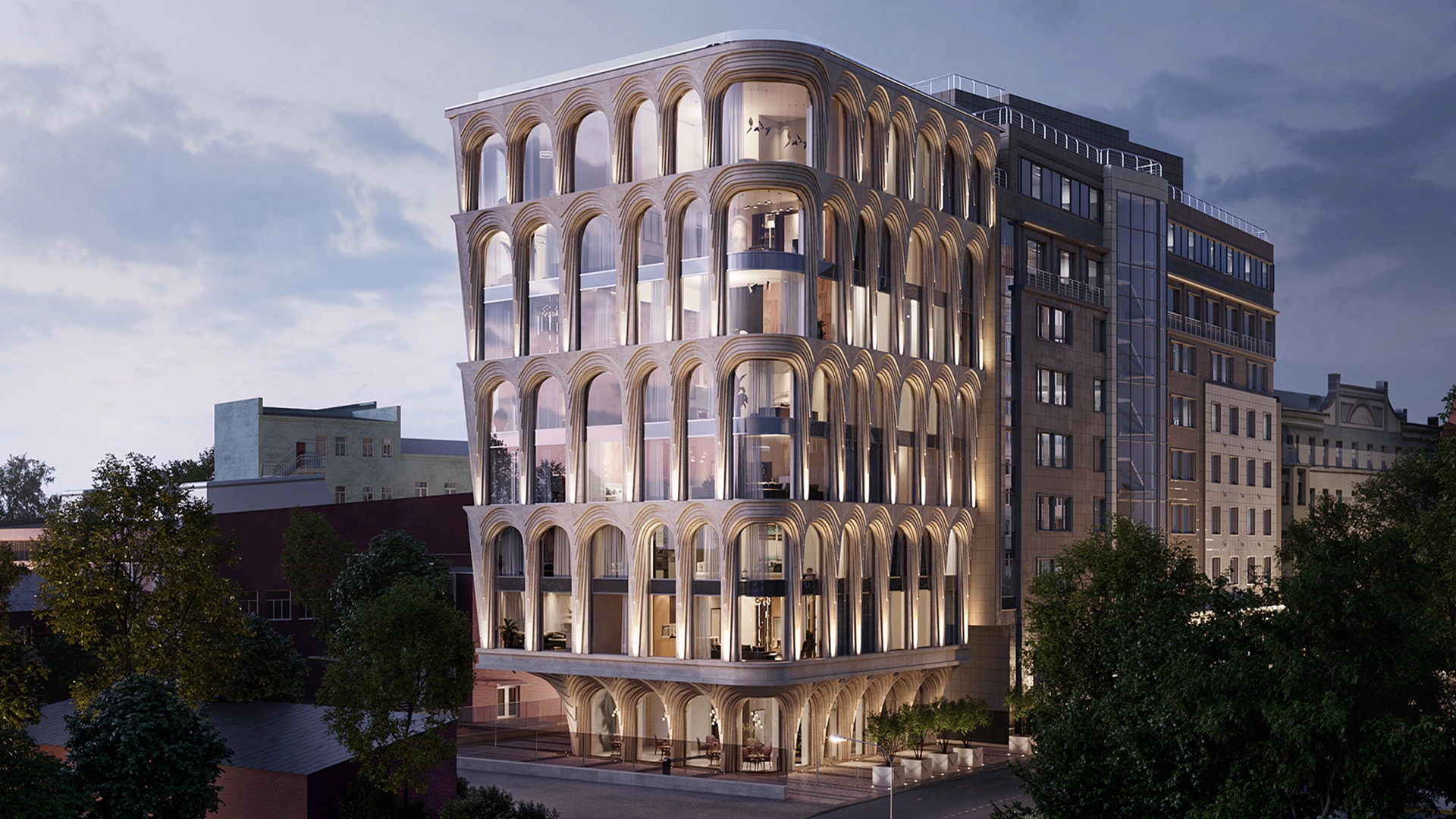
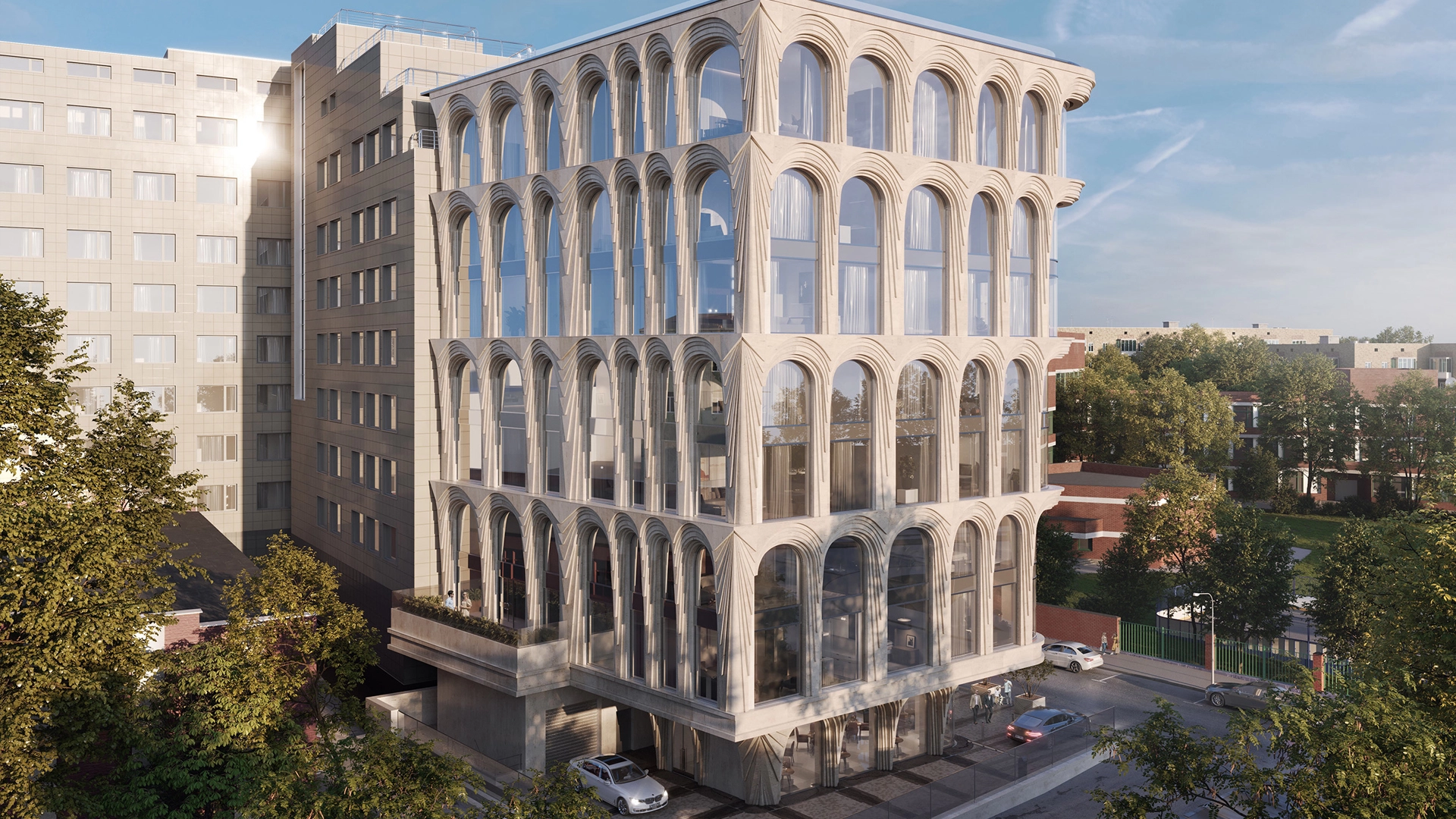
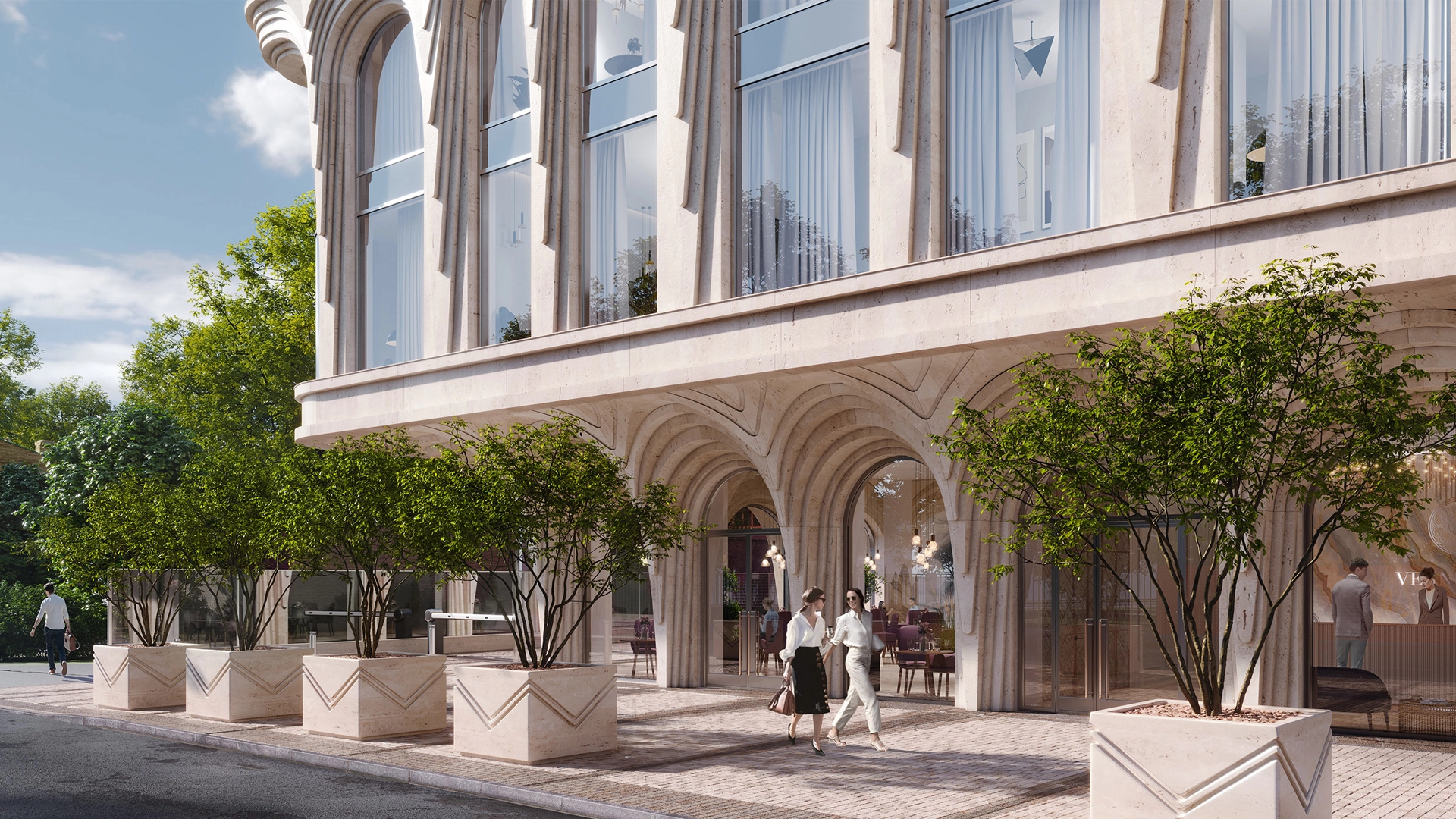
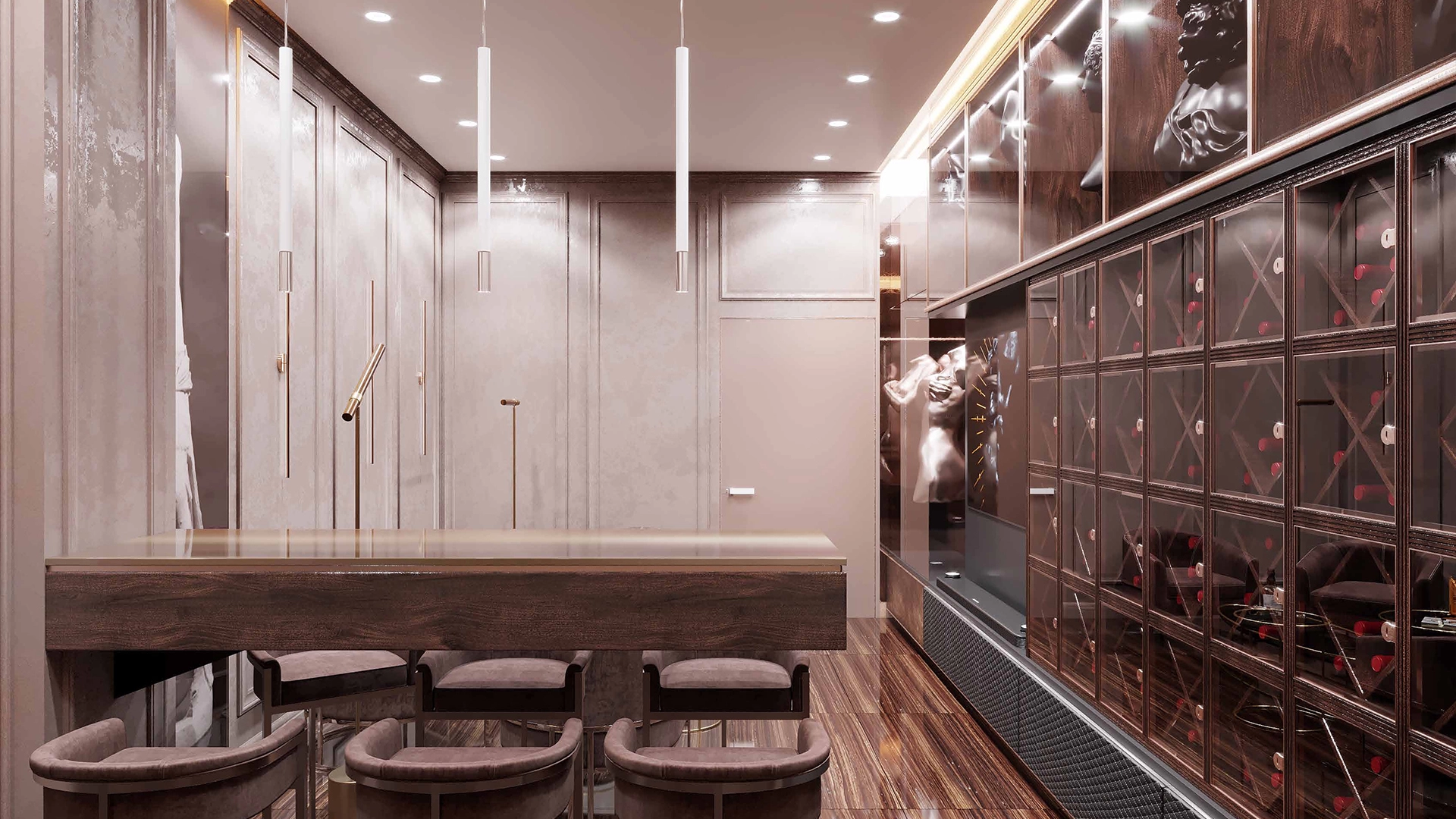
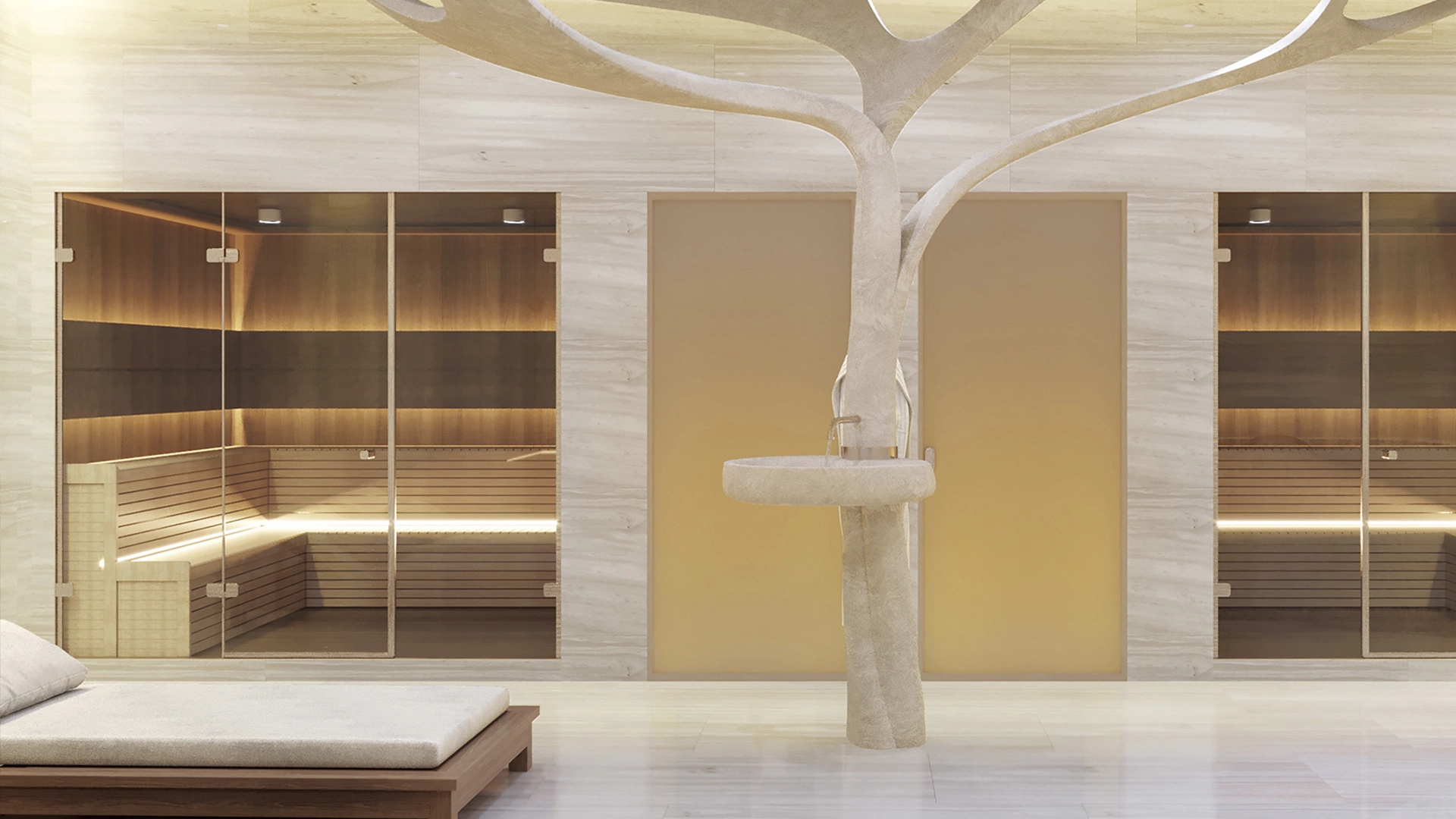
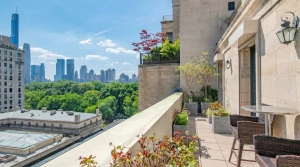
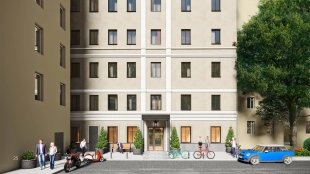
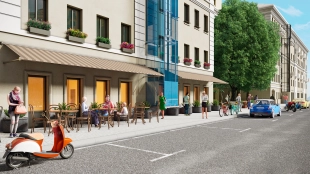
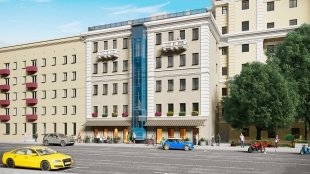
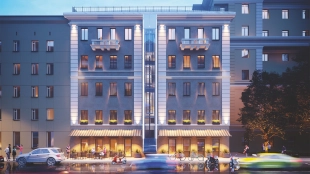
8-storey club house with whitebox finish and panoramic view of Zamoskvorechye neighborhood. For luxury lovers there are 2 penthouses with wood-burning fireplaces and high ceilings on the top floor.
| Lots | Area from |
Price from
|
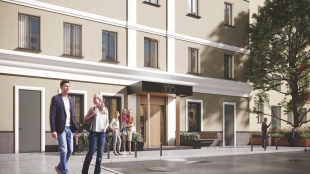
small_description
| Lots | Area from |
Price from
|
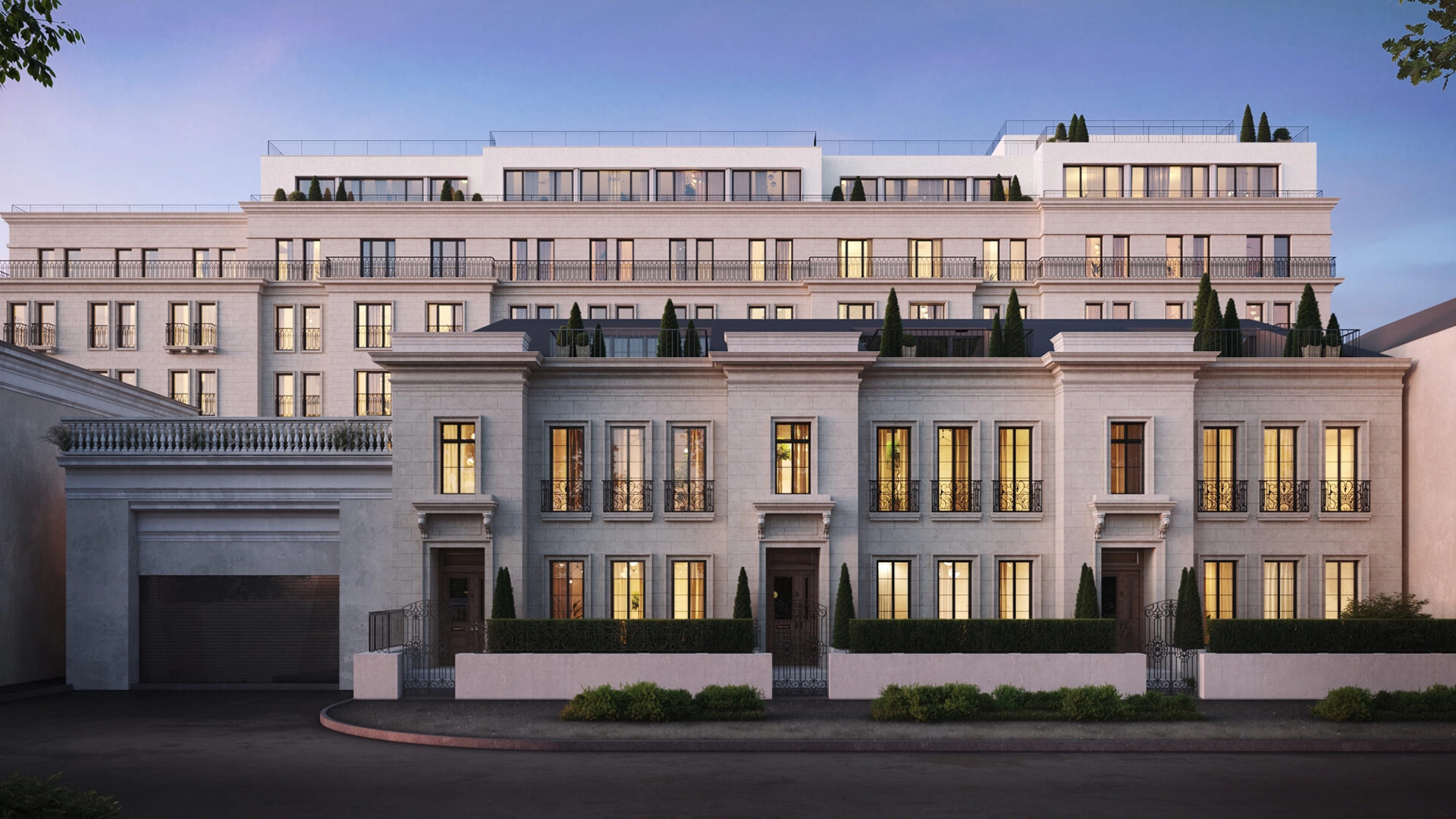

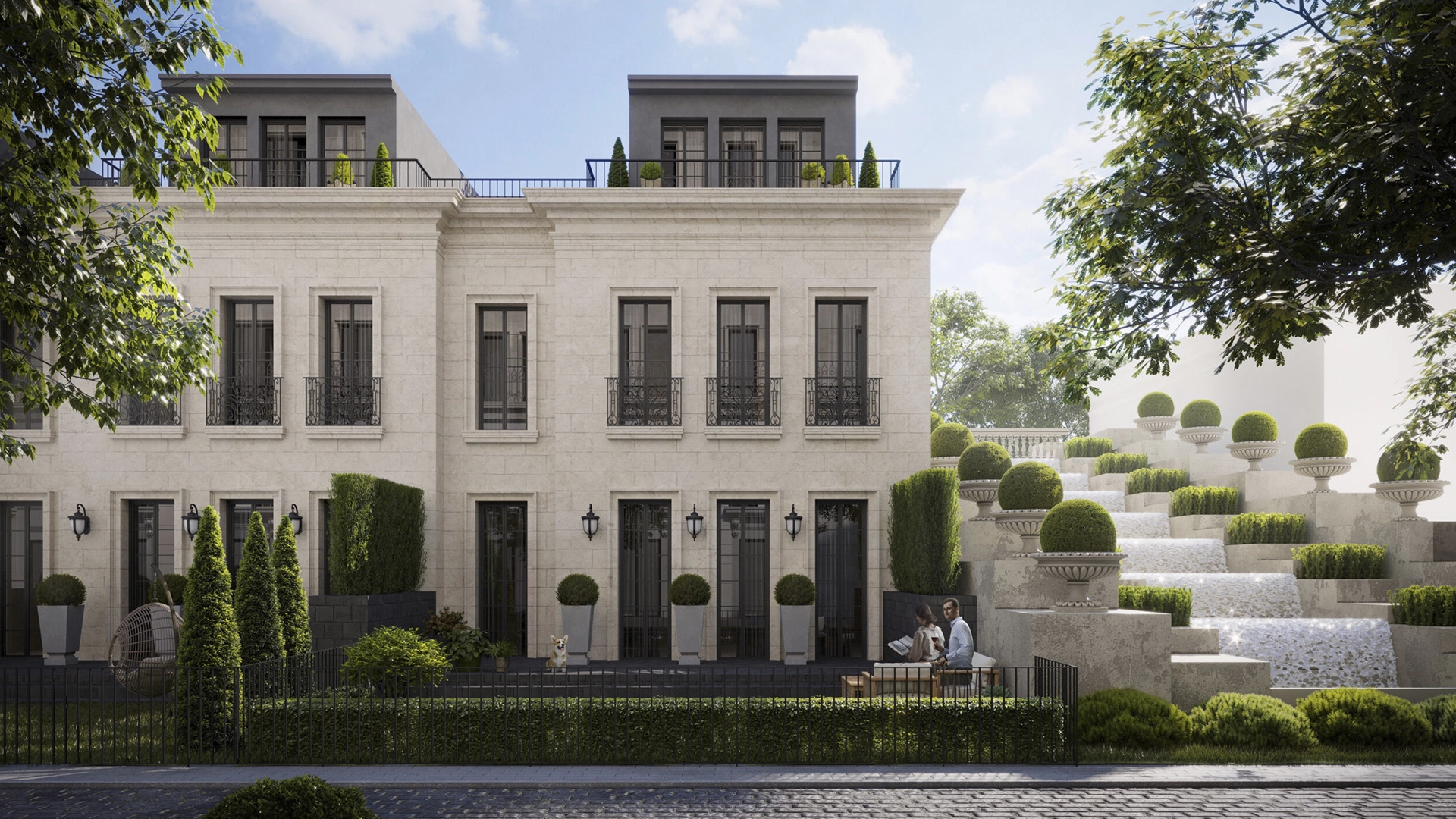
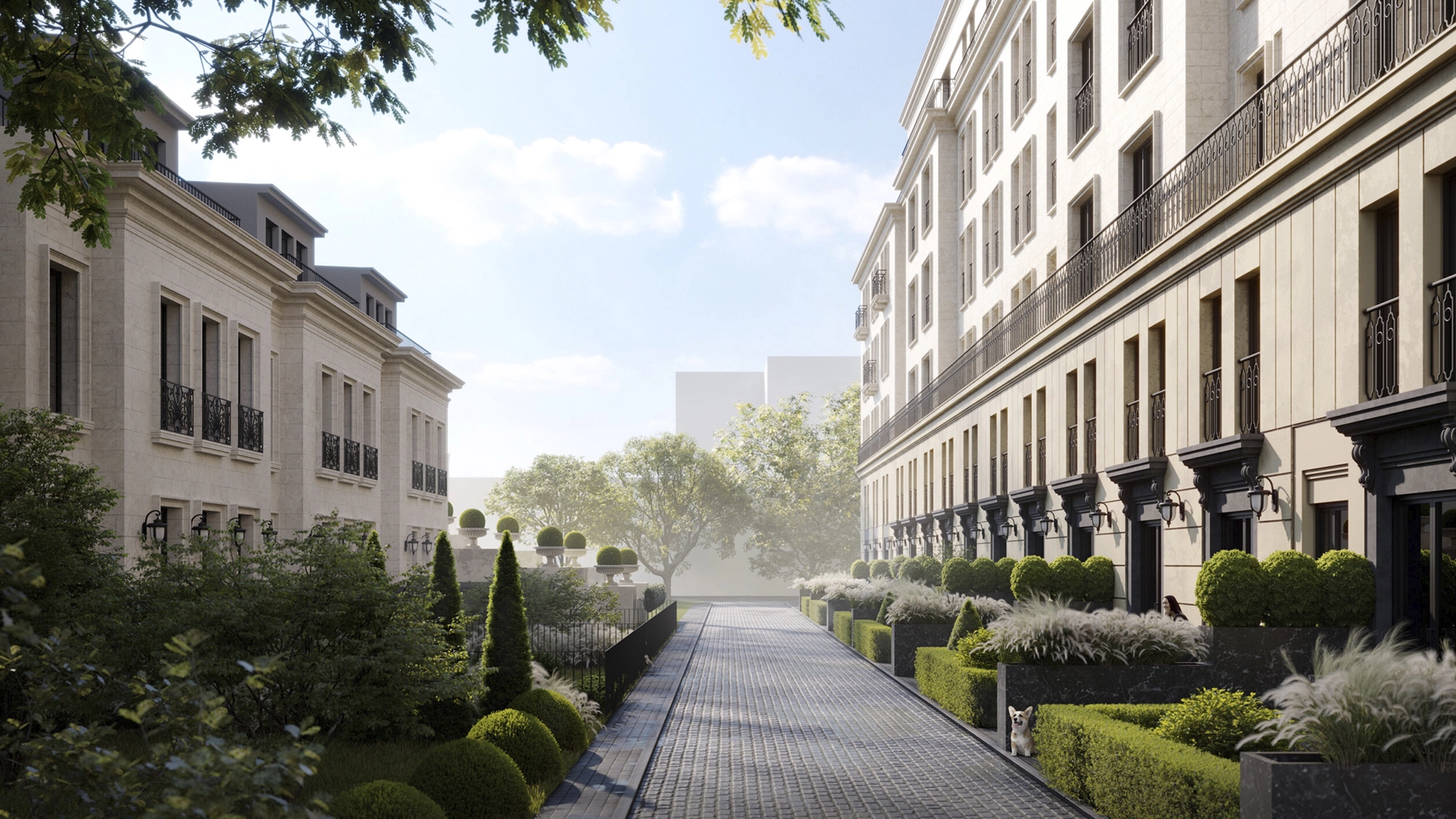
Club house of three buildings in Zamoskvorechye neighborhood. There are 60 lots in the complex, 6 of which have their own patio. There are also 4 spacious penthouses with terraces, and for those who appreciate complete privacy - 3 city villas.
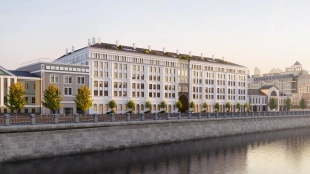
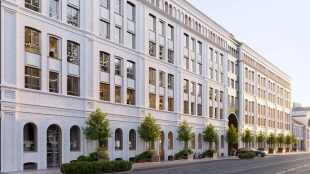
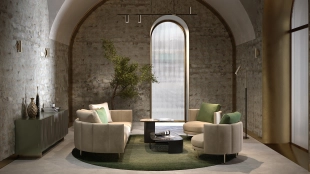
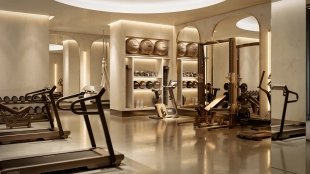
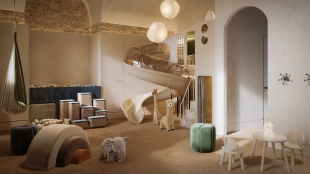
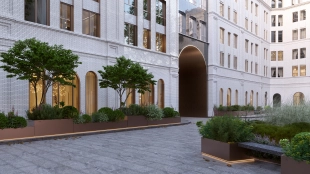
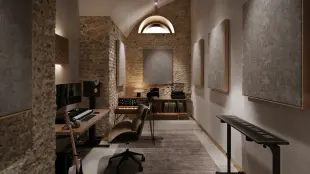
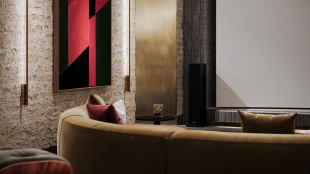
DUO is a deluxe-class clubhouse on Sofiyskaya Embankment. The project is planned to create 49 apartments of different formats, including five penthouses and two duplex residences. The highlight of the Duo project is an exquisite penthouse of 1150 m² with its own swimming pool.
| Lots | Area from |
Price from
|
Read also: