How Johnny Depp bought an entire village

In the early 2000s, Johnny Depp lived a period of marital idyll with French actress Vanessa Paradis. To make a family nest away from the paparazzi cameras, he bought an abandoned village of the XVII century in Provence, 25 kilometers from the glamorous Saint-Tropez.
The estate covers an area of 15 hectares. There are 300-year-old oak trees, an olive grove and a vineyard. The purchase price is estimated at €10m. In the restoration Depp invested on top of that much more.
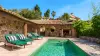
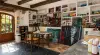
There were twelve stone buildings in the village. He placed in them the main house, six guest cottages, a bar-restaurant, a workshop with a garage, a house for servants.
An old village chapel was converted by the actor into a guest house. Inside was a wooden confession room. It turned into a, uh. a dressing room.
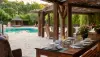
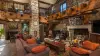
Depp styled the wine cellar in the main house as the captain's cabin from "Pirates of the Caribbean" with candles and skulls on the tables. The actor spent $30,000 a month on wine. For evening meals, he set up a private cafe-bistro with a professional kitchen. There the family simply had lunch, dinner and guests.
Depp opened an art studio where he painted pictures. And he also specially designed the buildings in the village to look like "local businesses": a cafe, a workshop, a laundry, a fitness room. But all inside one private property. In fact, he made his own personal France in miniature.
There were also the traditional hedonistic gizmos: two swimming pools, a gym and even a real full-size skate park. The actor built it for his son Jack.
After living in this "absolute paradise" for 15 years, Depp separated from Vanessa Paradis. His new wife Amber Heard didn't share the actor's love for the place and asked him to get rid of the village.
The girl can be understood. Every detail of the interior, the studio where he painted, the family bistro - everything was imbued with the spirit of his past life. Ambitious young wife did not want to spend the summer in the atmosphere of the "museum of the ex-wife."
In 2015, Depp put the village up for sale. Asked for $26 million. There was no buyer. A year later, he raised the price to $55 million. Again, he didn't sell. At this time, Amber Heard accused Johnny of domestic violence and filed for divorce. Depp was in court.
In 2019, the village went on the market again for $26 million. It didn't sell. Two years later, the estate was revalued at $55 million. There was still no buyer.
The sale was not accompanied by Whitewill. Hence the result. Two years ago Depp freaked out and finally took the village off the market. Started a new round of restoration.
What conclusions can be drawn? Trophy assets with uniqueness on the edge of the circus are hard to sell. Being tied to the identity of a scandalous seller often works against the price.
A Depp house with a premium embedded in the price is interesting to exactly one category: Depp fans with $50 million of spare cash. The intersection of these two sets is close to zero.
To make the new owner feel like he or she is buying not the previous owner's museum, but his or her new life, you have to do some deep-staging. Remove the past owner's personal belongings from the homes. Maturely: depersonalize the asset. Depp didn't do that.
A "Pirates"-inspired wine cellar combined with a skate park and rustic homes scares off conservative rich people looking for a cozy estate in Provence.



The best country settlements in the Moscow Region:
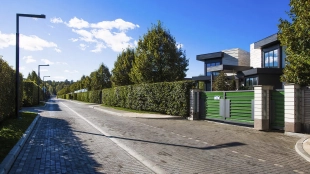
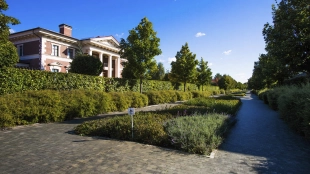
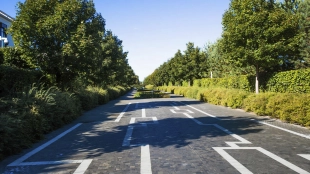
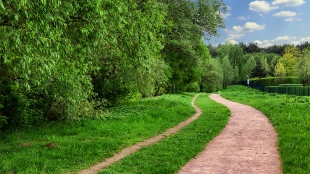
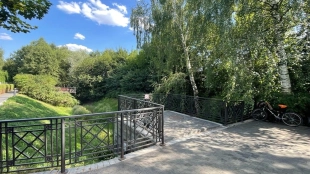
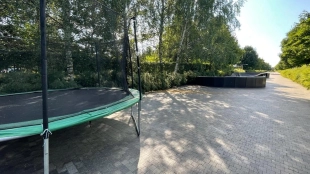
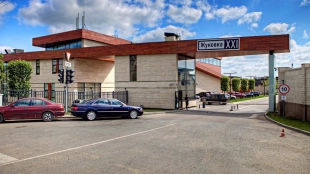
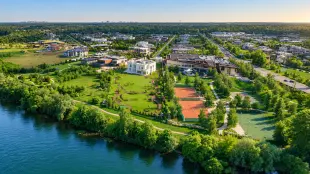
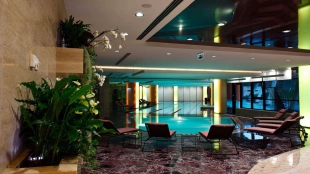
"Zhukovka 21" is an elite cottage village on the bank of the Moskva River, in the very center of the famous Rublyovka. There are 51 cottages on the territory, each of which is designed according to an individual project with finishing in modern or classic style. There are landscaped public gardens, a fitness club, an outdoor swimming pool with a beach, a children's club, tennis courts and a healthy food restaurant.
| Lots | Area from |
Price from
|
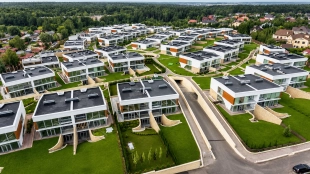
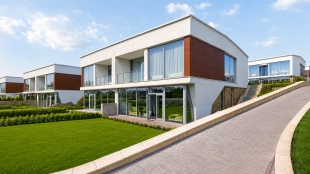
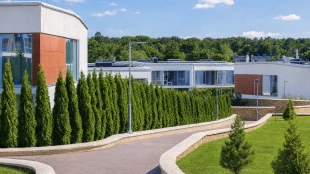
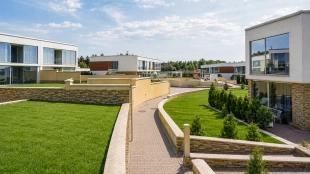
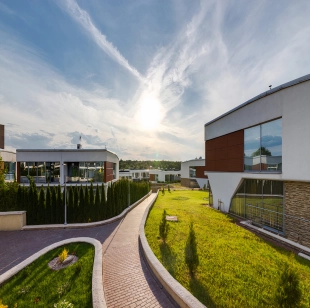
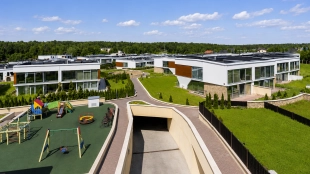
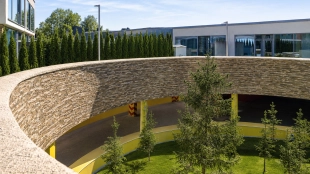
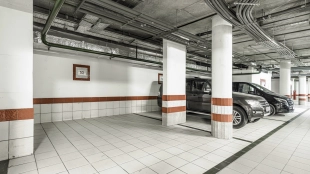
"Barvikha Hills" is a club settlement for 100 townhouses in hi-tech style designed by Dutch architect Erik van Egeraat, with panoramic glazing and laconic facades. All townhouses are connected by a network of underground roads and garages - this allowed to create a cozy pedestrian zone on the territory of the village.
| Lots | Area from |
Price from
|
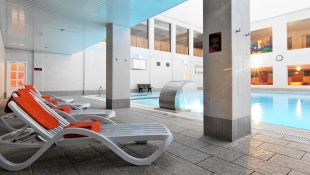
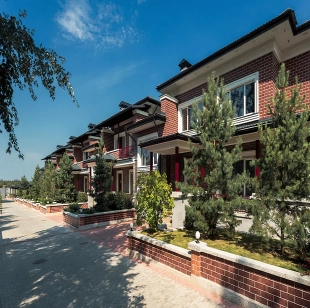
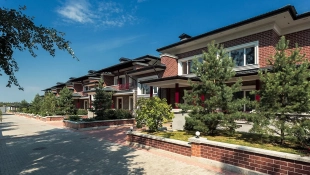
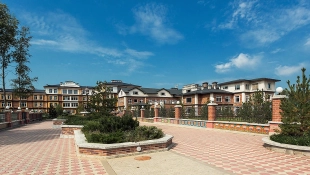
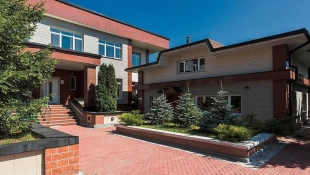
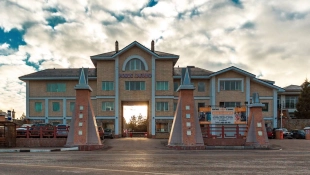
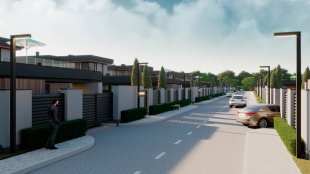
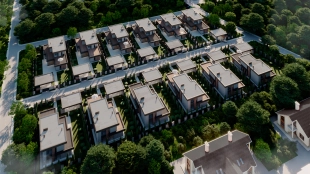
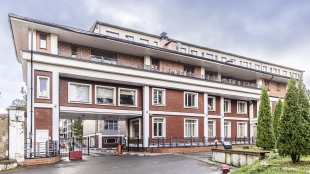
"Novoe Lapino" is an elite cottage village surrounded by the Novo-Darya forest. On the territory there are cottages, townhouses and apartments in modern style with turnkey or unfurnished finishing. Children's and sports grounds, kindergartens, spa and sports club are available for residents. There is a shopping arcade at the entrance to the village.
| Lots | Area from |
Price from
|
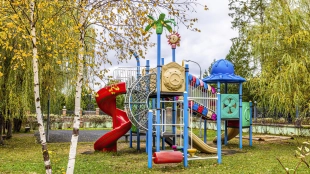
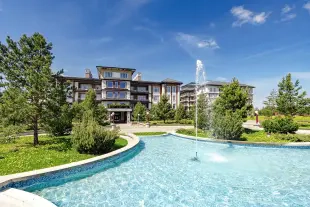
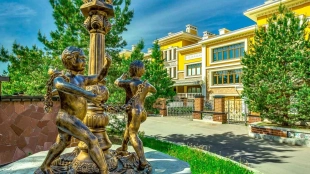
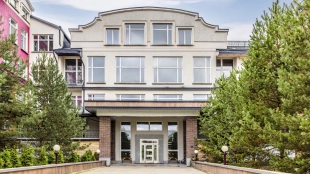
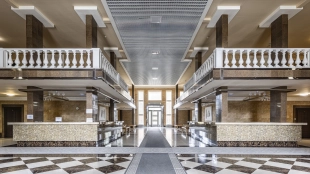
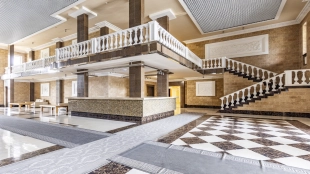
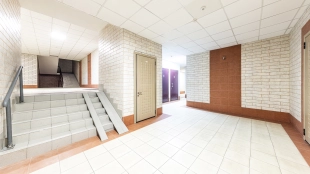
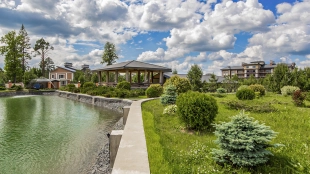
"Azarovo" is a countryside village with cottages, townhouses and apartment buildings in classic style. There are 40 hectares of Novo-Darya forest, parks and a recreational complex for walks and recreation. A kindergarten, two private schools, a soccer field and playgrounds are open for young residents.
| Lots | Area from |
Price from
|