Churchill's country house

In September 1922, Churchill came to the county of Kent, 40 kilometers from London, to look for a house to buy. The Chartwell estate stood derelict. A Victorian red-brick box infested with rot. It had been a long time since a buyer had been found.
The sellers were asking £5,500 for the estate. Churchill offered £4,800, citing rot. They settled for £5,000. In today's money, that's in the neighborhood of $500k.
Churchill's wife Clementine was confronted with his spontaneous purchase. She was horrified. The family's finances were bursting at the seams. Churchill had just lost his seat in Parliament. Had undergone an operation for appendicitis. Their two-year-old daughter Margold had recently died. Buying the estate was madness.
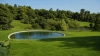
But Winston loved the view. The house had a panorama of rolling hills, fields and woods stretching off into the horizon. "The most beautiful view I've ever seen in my life," he said.
Architect Philip Tilden was hired to remodel the house. The renovation took two years. The estimate more than doubled. By the end of the work Churchill stopped talking to the architect, and their lawyers sued for another three years.
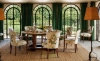
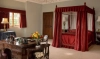
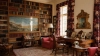
But the house was gorgeous. Five living rooms. Nineteen bedrooms. Eight bathrooms. A floor-to-ceiling library. An atmospheric study with a rug donated by the Shah of Iran.
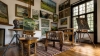
In a separate cottage in the garden Churchill set up a studio for painting. Here he painted five hundred paintings. He took the brush at the age of 40, to drown out depression, which he called "black dog". Churchill painted vividly, post-impressionist style.
Churchill set up the 32-hectare garden himself. Literally. Planted the trees. Laying bricks. Built a stone wall around the rose garden and the kitchen garden.
It was also here, at Chartwell, that he spent his "desert years." That's the decade of political exile from 1929 to 1939. While in London negotiating with Hitler, retired officers, disgruntled officials, and foreign diplomats were drawn to Churchill's estate with reports of German armaments. The guest book recorded 780 names.
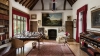
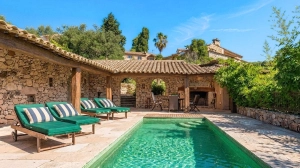
Later, Churchill had an outdoor oval pool on the property with water heated to 24 degrees. The coal boilers were hidden underground. The coal bill was enormous. He swam in all kinds of weather, sometimes with a cigar in his teeth. When friends asked him where the money went, he'd joke: coal for the pool, brandy and cigars.
In 1946 Churchill admitted to friends that he could no longer maintain the estate. Seventeen of his wealthy pals chipped in and bought Chartwell from him for 50,000 pounds. That's about $3.5m in today's money.
The estate was given to the National Trust on the condition that Winston and Clementine would live there for the rest of their lives for a token rent of £350 a year.
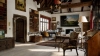
When giving the house to the foundation, Churchill set an important condition. A ginger cat named Jock with a white chest and four white paws must always live in Chartwell.
The last one, Jock VII, was placed on the estate in 2020. This condition is recorded in National Trust documents. Churchill died on January 24, 1965. Jock the cat was at his bedside.
The manor house has now been turned into a museum. You can come here, pet the cat and see the interiors with your own eyes.



Favorable offers in the Moscow region:
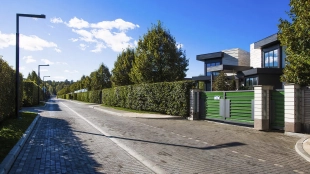
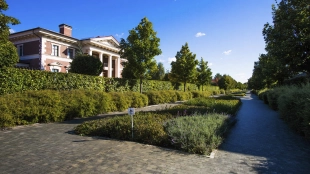
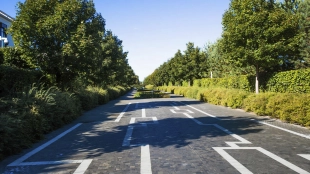
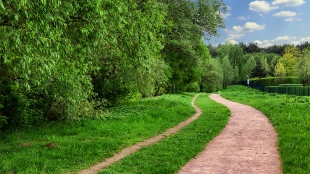
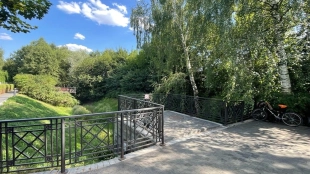
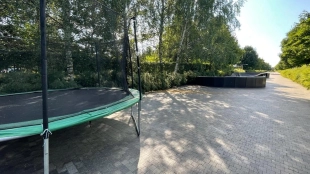
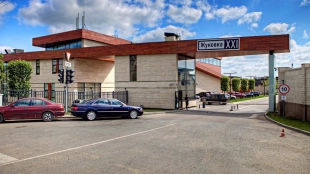
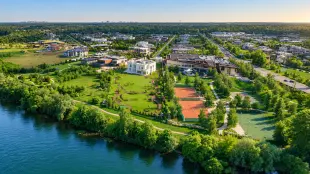
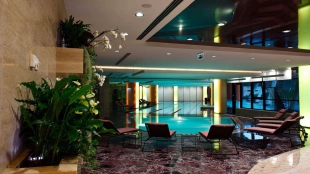
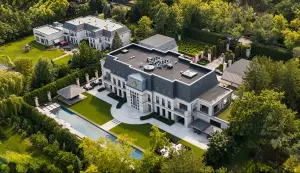
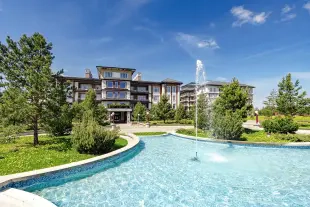
"Zhukovka 21" is an elite cottage village on the bank of the Moskva River, in the very center of the famous Rublyovka. There are 51 cottages on the territory, each of which is designed according to an individual project with finishing in modern or classic style. There are landscaped public gardens, a fitness club, an outdoor swimming pool with a beach, a children's club, tennis courts and a healthy food restaurant.
| Lots | Area from |
Price from
|
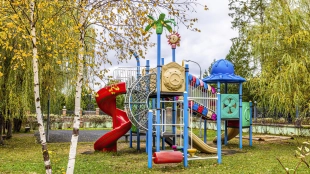
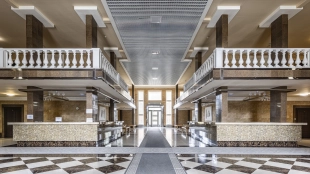
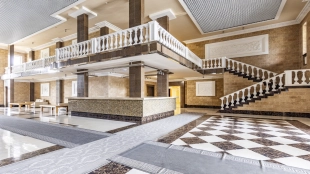
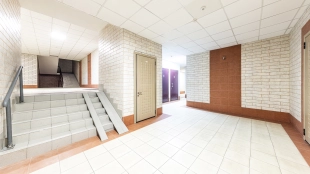
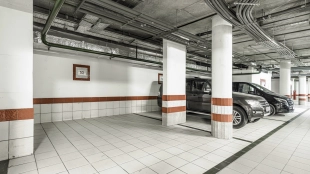
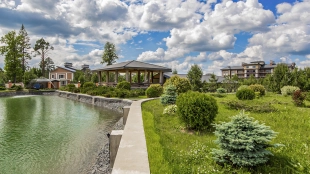
"Azarovo" is a countryside village with cottages, townhouses and apartment buildings in classic style. There are 40 hectares of Novo-Darya forest, parks and a recreational complex for walks and recreation. A kindergarten, two private schools, a soccer field and playgrounds are open for young residents.
| Lots | Area from |
Price from
|
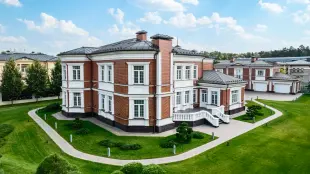
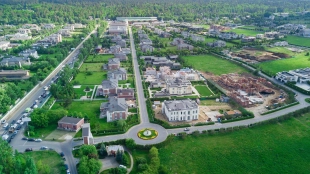
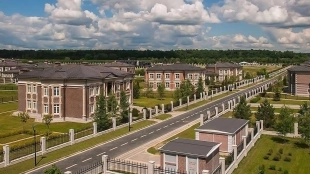
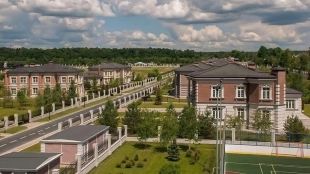
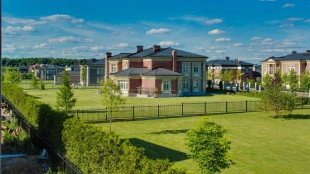
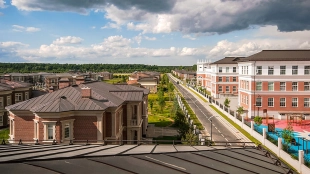
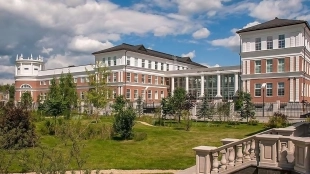

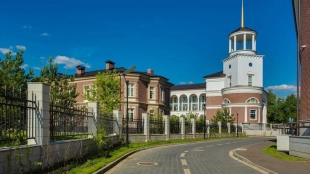
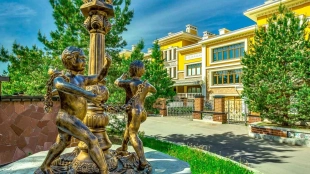
ParkVille is a cottage village of 57 cottages in English classical style and its own landscape park of 40 hectares. There is a large private school, kindergarten and observatory right on the territory for residents. The Barvikha Luxury Village shopping and entertainment complex is just 15 minutes away by car.
| Lots | Area from |
Price from
|
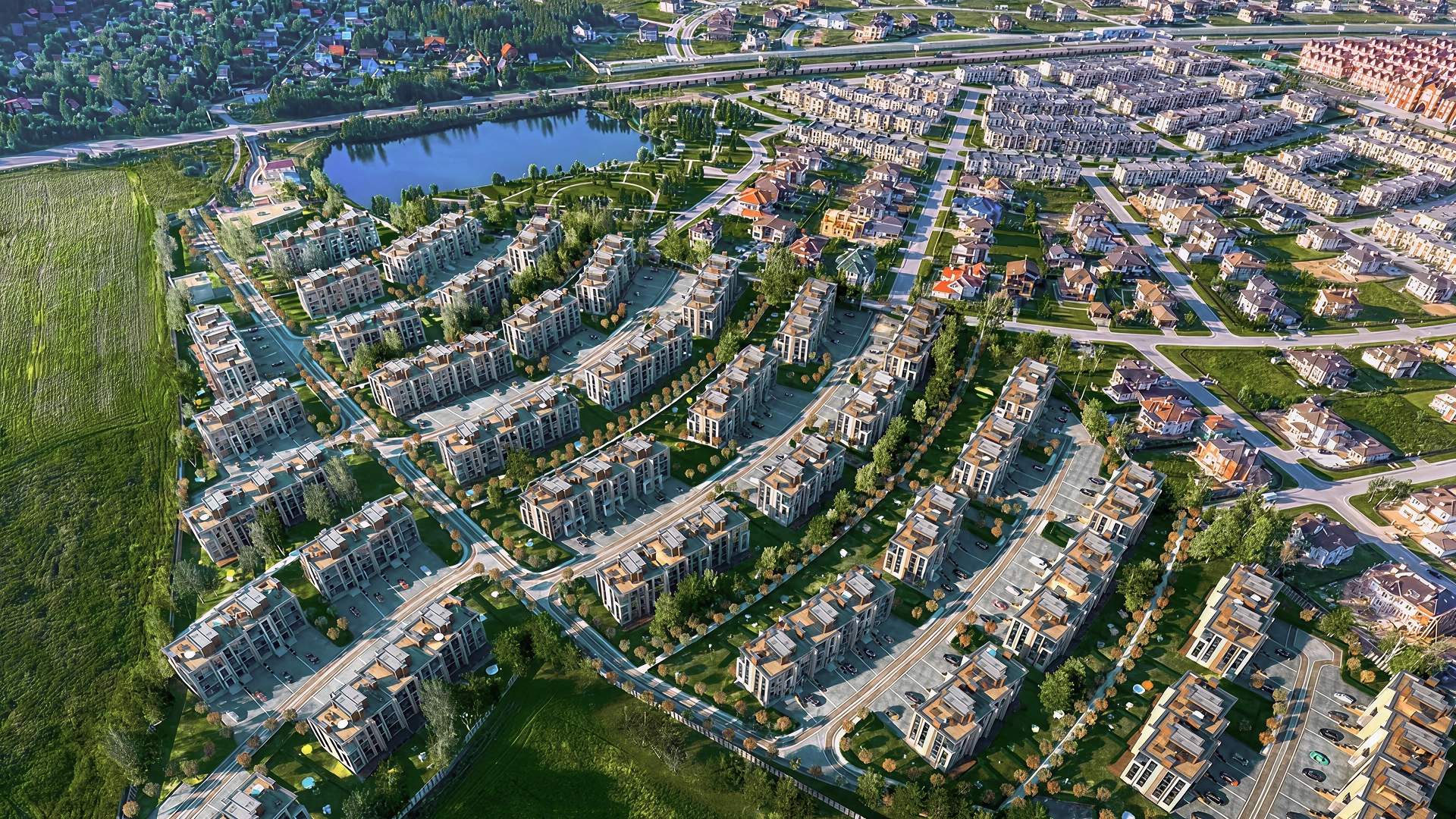
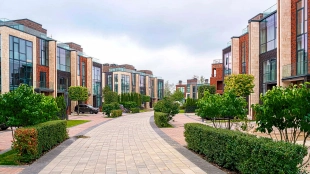
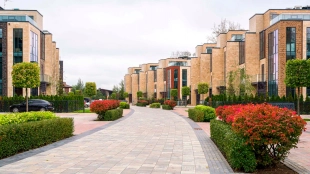
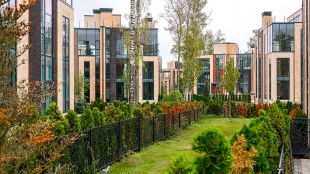
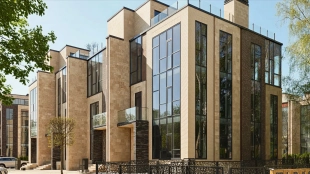
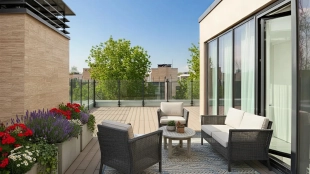
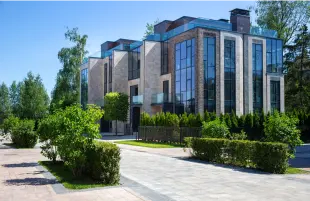
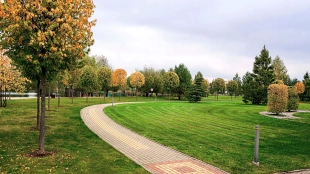
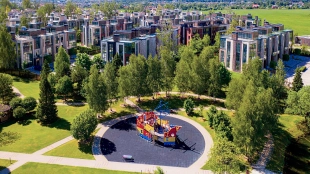
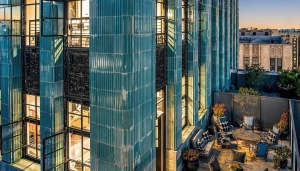
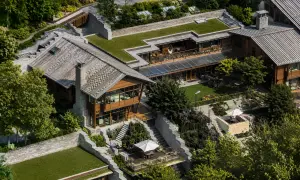
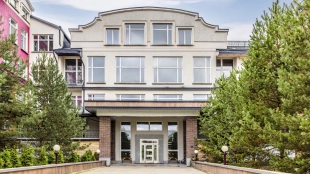
Park Fonte is a village of 182 townhouses overlooking the lake. The facades with panoramic glazing are made in the style of "eco-minimalism". Each townhouse has three floors, free planning and access to the exploited roof, where you can relax or organize a barbecue. On the territory of the village there is a preschool education center, a playground, a lake with a beach area, a beach volleyball court and a basketball court.
| Lots | Area from |
Price from
|
Read also: