Roberto Cavalli Villa

In the early 1970s, fashion designer Roberto Cavalli rented an apartment on the second floor of a historic estate in Florence. He had just divorced his first wife and was looking for a quiet place where his children could come to stay on the weekends.
Seven years later, the owners decided to sell the house. Cavalli bought the entire estate and transformed it into one of Italy’s most unusual private residences.
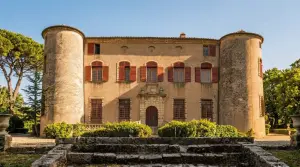
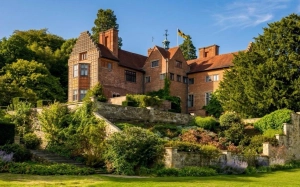
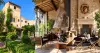
The villa is called Il Poggio—“The Hill.” At its heart stands an old watchtower, from which enemies approaching Florence were monitored five centuries ago. Roberto Cavalli called this place “Strawberry Hill.”
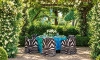
The estate covers an area of 14 hectares. The garden features olive trees, cypresses, grapevines, and jasmine. A sculpture of a horse by Arturo Di Modica stands on the lawn. The same sculptor created the famous “Charging Bull” on Wall Street.
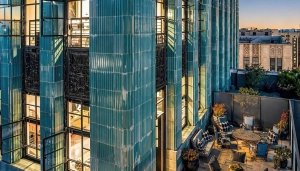
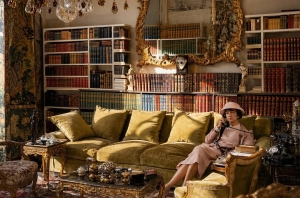
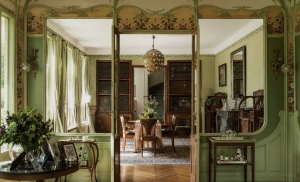
Cavalli’s interiors are a story unto themselves. Leopard-print sofas. Zebra-print armchairs. Purple velvet. Luxurious rugs, antique fireplaces, and massive wooden beams.
On the walls—Italian Madonnas from various centuries in gilded frames, antique furniture, and French art glass.
In 2012, Cavalli launched the Roberto Cavalli Home collection, transferring his famous prints from clothing to sofas, tableware, lighting, and home textiles.
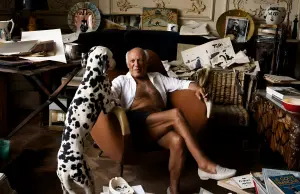
In addition to dogs, cats, and exotic parrots, a macaque named Mac lived at the residence. Cavalli recounted that when he returned home, the parrots would start squawking, and the monkey would jump for joy.
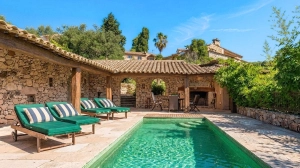
In addition to vineyards, a wine cellar, and two swimming pools, the villa also had its own helipad. Cavalli bought a helicopter and obtained a pilot’s license. On the property, he set up a hangar with an aviation fuel station and a separate landing pad. The designer could return directly to his home from his travels and business trips.
The fashion designer drew inspiration for his collections while walking in the garden with his camera. He photographed leaves, flowers, and butterflies, and then transformed these natural patterns into his famous prints.
If you’ve decided to start your own car dealership, you need to carefully weigh all the pros and cons of this business. A detailed analysis will help you develop a business plan based on the project’s strengths.

Top Listings in the Moscow Region:
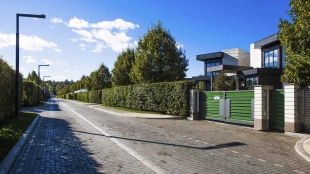
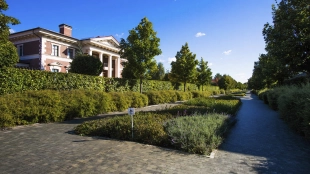
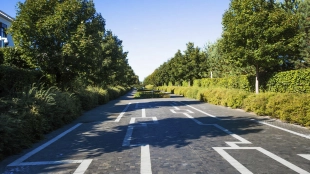
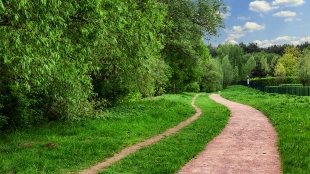
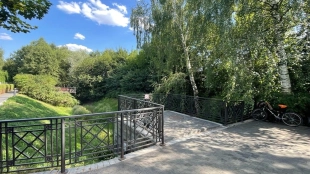
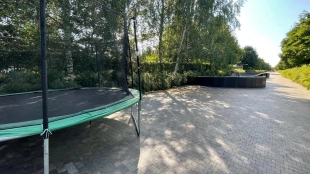
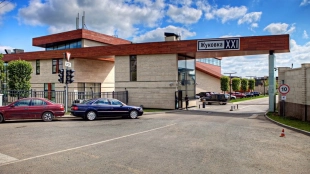
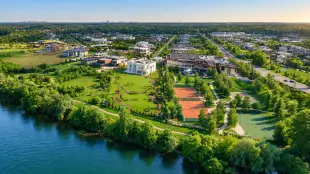
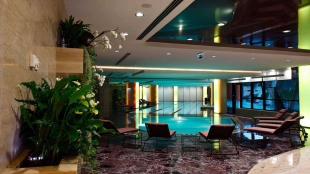
"Zhukovka 21" is an elite cottage village on the bank of the Moskva River, in the very center of the famous Rublyovka. There are 51 cottages on the territory, each of which is designed according to an individual project with finishing in modern or classic style. There are landscaped public gardens, a fitness club, an outdoor swimming pool with a beach, a children's club, tennis courts and a healthy food restaurant.
| Lots | Area from |
Price from
|
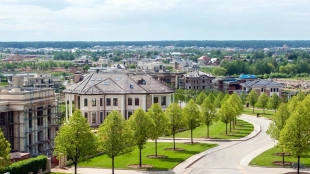
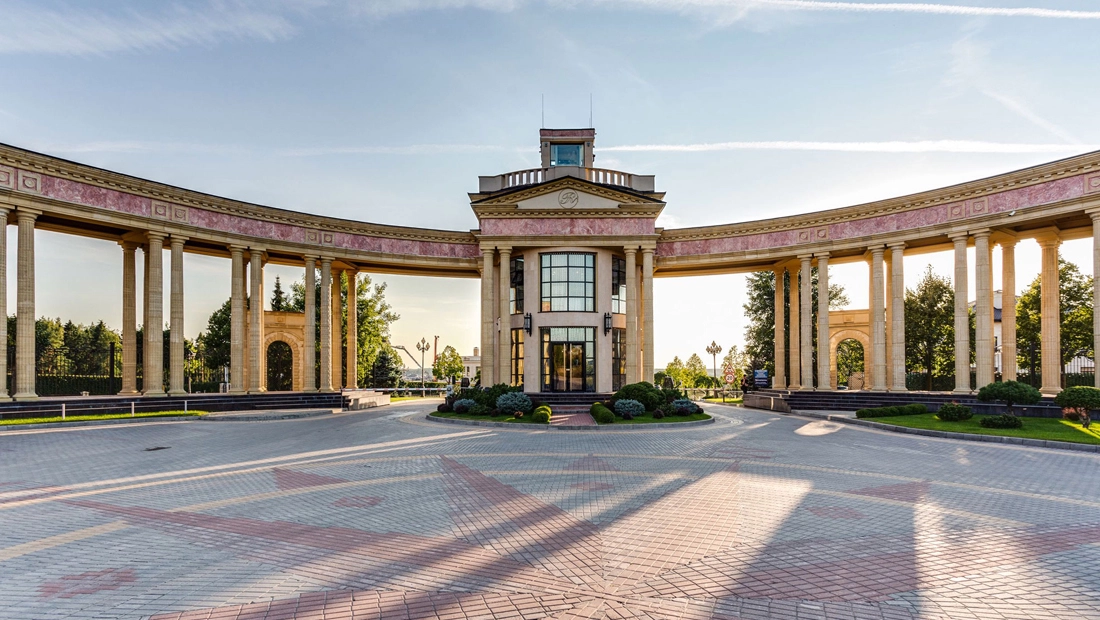
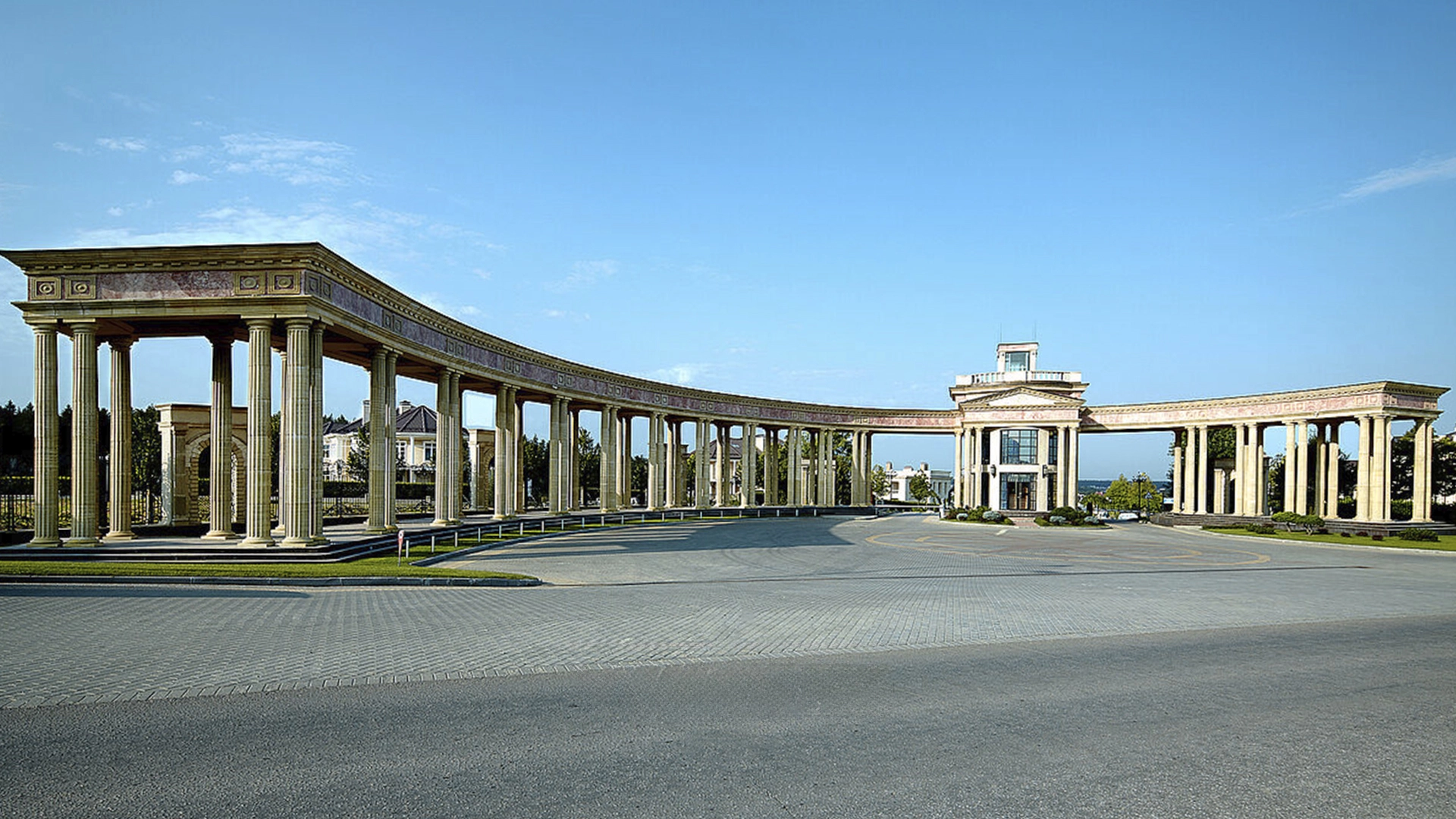
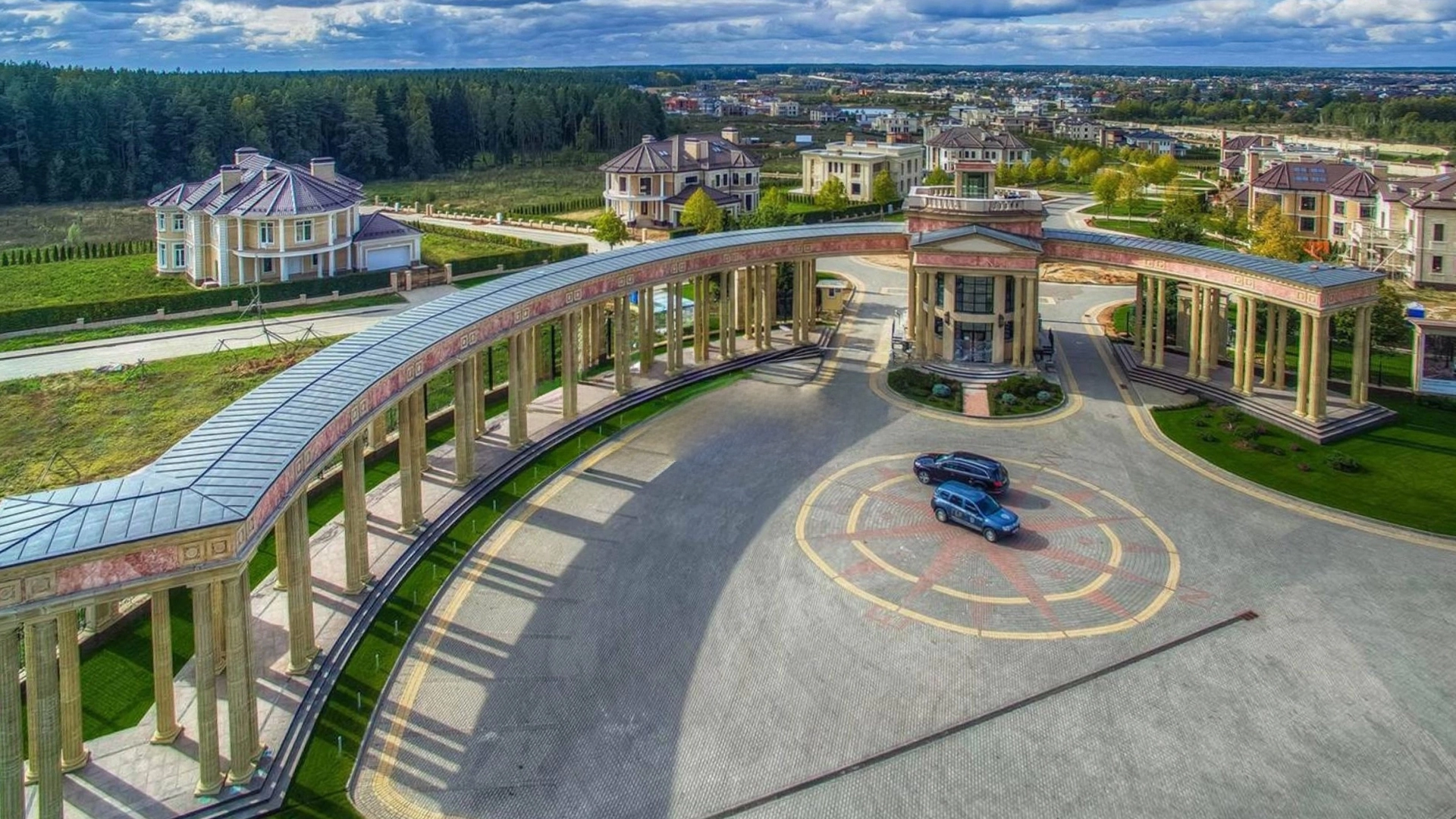
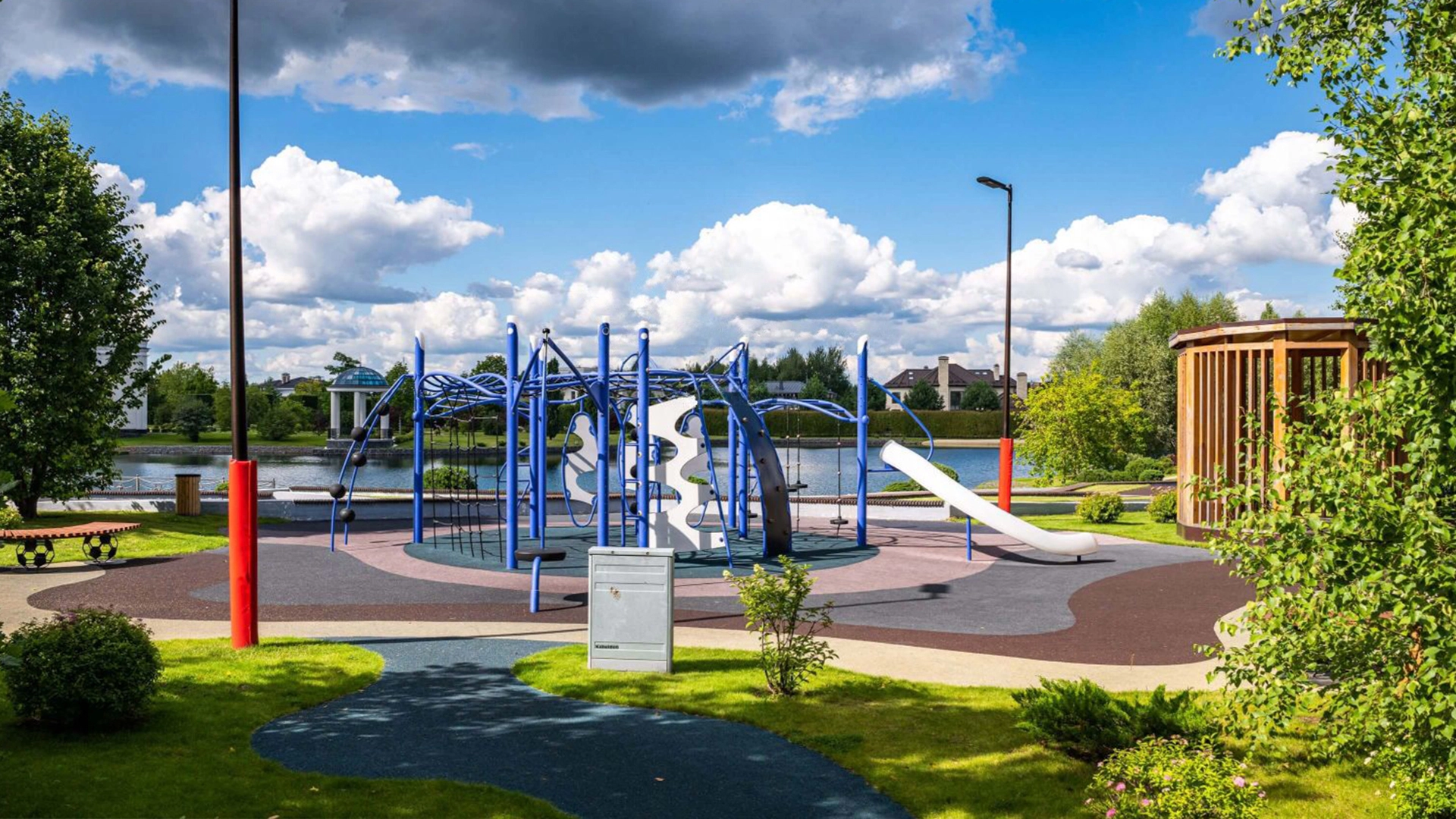
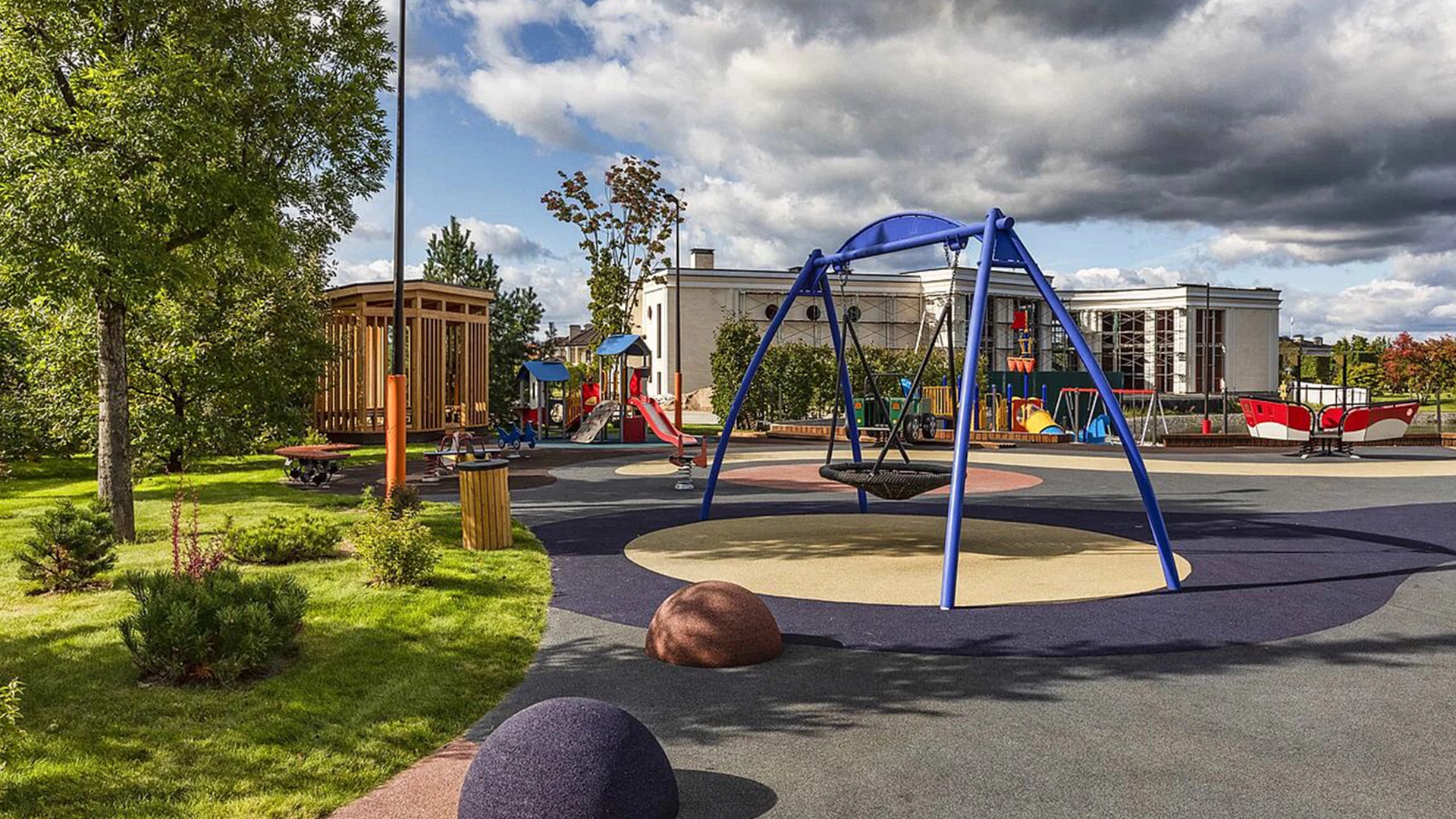
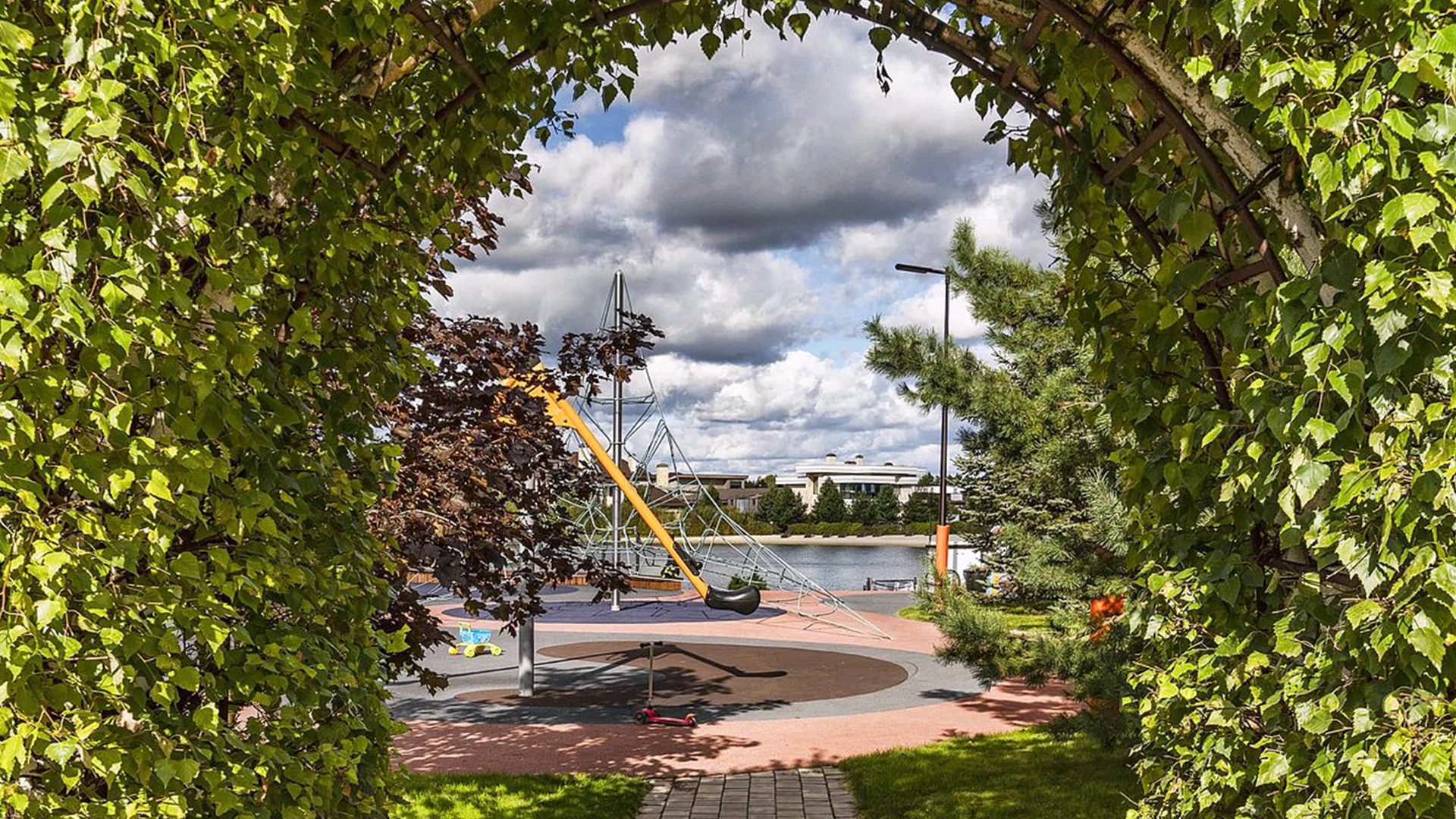
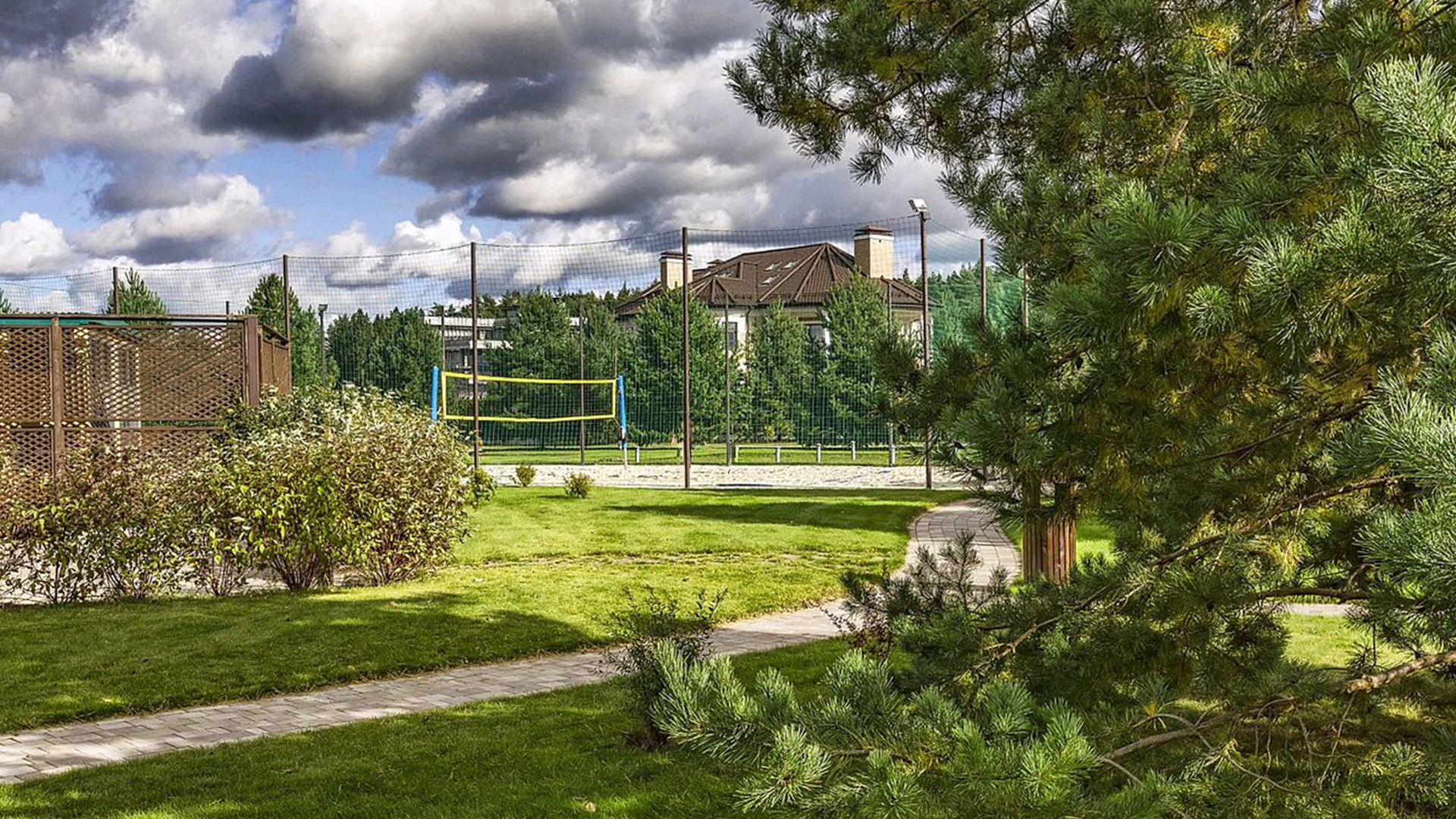
"Renaissance Park" is a cottage village of 312 houses and plots surrounded by a lake and coniferous forest. The cottages are made in "Deco" and "Empire" styles, combining classic and modernity. Each house has an opportunity to connect the "Smart Home" system. A restaurant by the water and a children's club are open for residents, as well as recreation areas near fountains and a sandy beach.
| Lots | Area from |
Price from
|
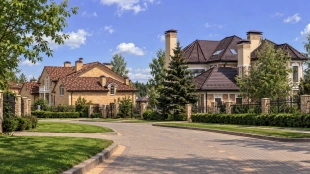
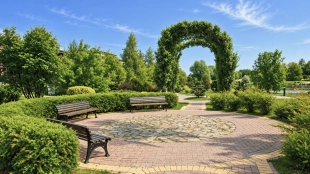
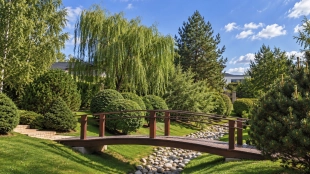
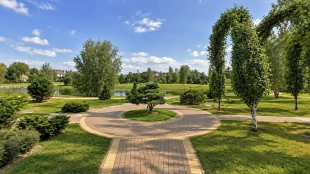
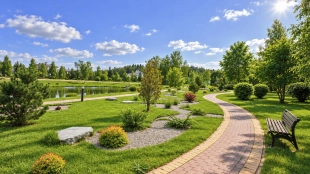
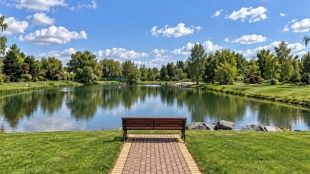
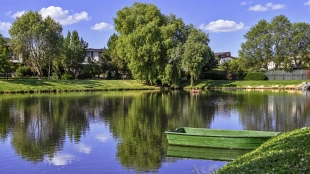
Madison Park is a cottage community near a century-old forest and a picturesque lake. On the territory of 52 hectares there are 163 plots and landscaped parks. Madison Park was awarded the title "Best Elite Village" at the national award "Best Village 2012".
| Lots | Area from |
Price from
|


"Razdory-2" is a cottage village on the bank of the Moskva River, surrounded by a dense pine forest. The houses are designed in the English style, made of red brick and white stone with symmetrical elements, strict lines and restrained colors in the decoration. On the territory of the village there is a gymnasium named after Primakov, a private kindergarten. Primakov Gymnasium, a private kindergarten and parks for walking and recreation.
| Lots | Area from |
Price from
|
Read also: