Clubhouses near the Kremlin

The historic center won’t see dozens of high-rise buildings or a new neighborhood spanning several hectares. This part of Moscow is being revitalized in a different way: developers are renovating individual buildings and creating intimate residential complexes with just a few dozen apartments. That’s why every new property becomes a notable event for the market.
We’re talking about the neighborhoods around Vozdvizhenka, Krestovozdvizhensky, and Kislovsky Lanes—inside the Boulevard Ring and just a few minutes’ walk from the Kremlin.

From a Tsarist settlement to Moscow’s intellectual hub
Kislovskye Lane took its name from the Kislovskaya settlement, which formed near Ivan the Terrible’s Oprichnina court as early as the 16th century. The site of today’s streets was once home to the estates of the nobility, monastic holdings, and the homes of Moscow’s intellectual elite.
The architectural history of the area has been preserved in layers. Nearby are Pashkov House, the estates on Vozdvizhenka and Znamenka, the old building of Moscow University, and the house on Starovagankovsky Lane where Valentin Serov lived and worked.
Today, this context is carried on by the Russian State Library, the Shchusev Museum of Architecture, the Moscow Conservatory, the Pushkin Museum, and numerous galleries.

Right in the heart of the city without feeling like a tourist trap
The Kremlin and Alexander Garden are within walking distance. Nearby are the Arbatskaya, Lenin Library, Alexander Garden, and Borovitskaya metro stations. Vozdvizhenka Street connects the neighborhood to Novy Arbat, while Znamenka Street leads to the embankments of the Moskva River.
However, most of the city’s activity remains concentrated on the major streets. Krestovozdvizhensky, Starovagankovsky, and Kislovsky lanes retain a more secluded character. There is no continuous stream of restaurants and shops on the ground floors here, but instead there is quiet, private courtyards, and historic architecture.

How the district’s architecture is changing
Large-scale construction in this part of Moscow is practically impossible. New projects are emerging on the sites of individual administrative buildings or as a result of extensive renovations of existing buildings.
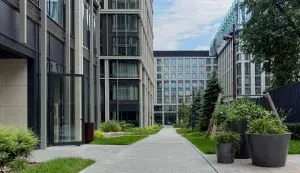
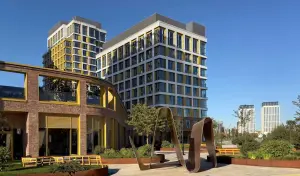
Modern architecture here should not clash with its surroundings. That is why developers maintain the height of the historic buildings, work with natural stone, classic proportions, and the understated contours of the facades. Behind these facades lie modern engineering systems, underground parking garages, private gardens, and club amenities.
Construction of small-scale apartment buildings on Krestovozdvizhensky and Starovagankovsky Lanes is currently nearing completion. A 22-unit building will be built in Nizhny Kislovsky, while a historic building on Bolshaya Nikitskaya will be renovated to house just 4 apartments. The names and details of some of the future projects have not yet been disclosed to the general market.

New listings number in the dozens
Arbat remains one of the most scarce locations in the city center. According to Whitewill data as of May 2026, only 63 apartments with a total area of 12,300 m² were for sale in local new-construction projects. Only the Basmanny District recorded a lower volume of supply.
Even with the completion of new buildings, the market will not see hundreds of identical apartments. Future projects will add several dozen residences and are more likely to set new benchmarks for quality and price than to create an oversupply.

Who chooses this part of Moscow
The neighborhoods around Vozdvizhenka are ideal for those who want the city center in its most concentrated form: the Kremlin and major cultural institutions within walking distance, but without having to live on a noisy thoroughfare.
For investors, value is driven by characteristics that cannot be replicated in other neighborhoods: a historic address, a limited number of new apartments, and rare views of downtown Moscow.
As new luxury residential buildings are completed, the neighborhood will evolve while retaining its intimate scale and established architectural context.



Best offers in Moscow:

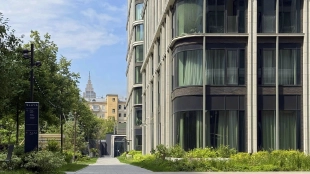

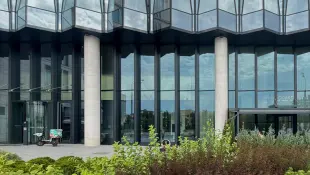
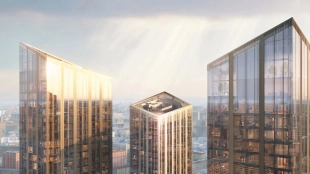

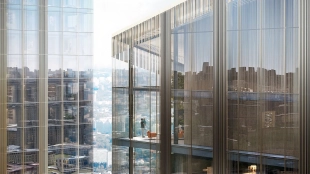
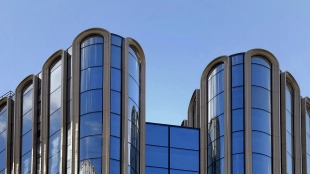
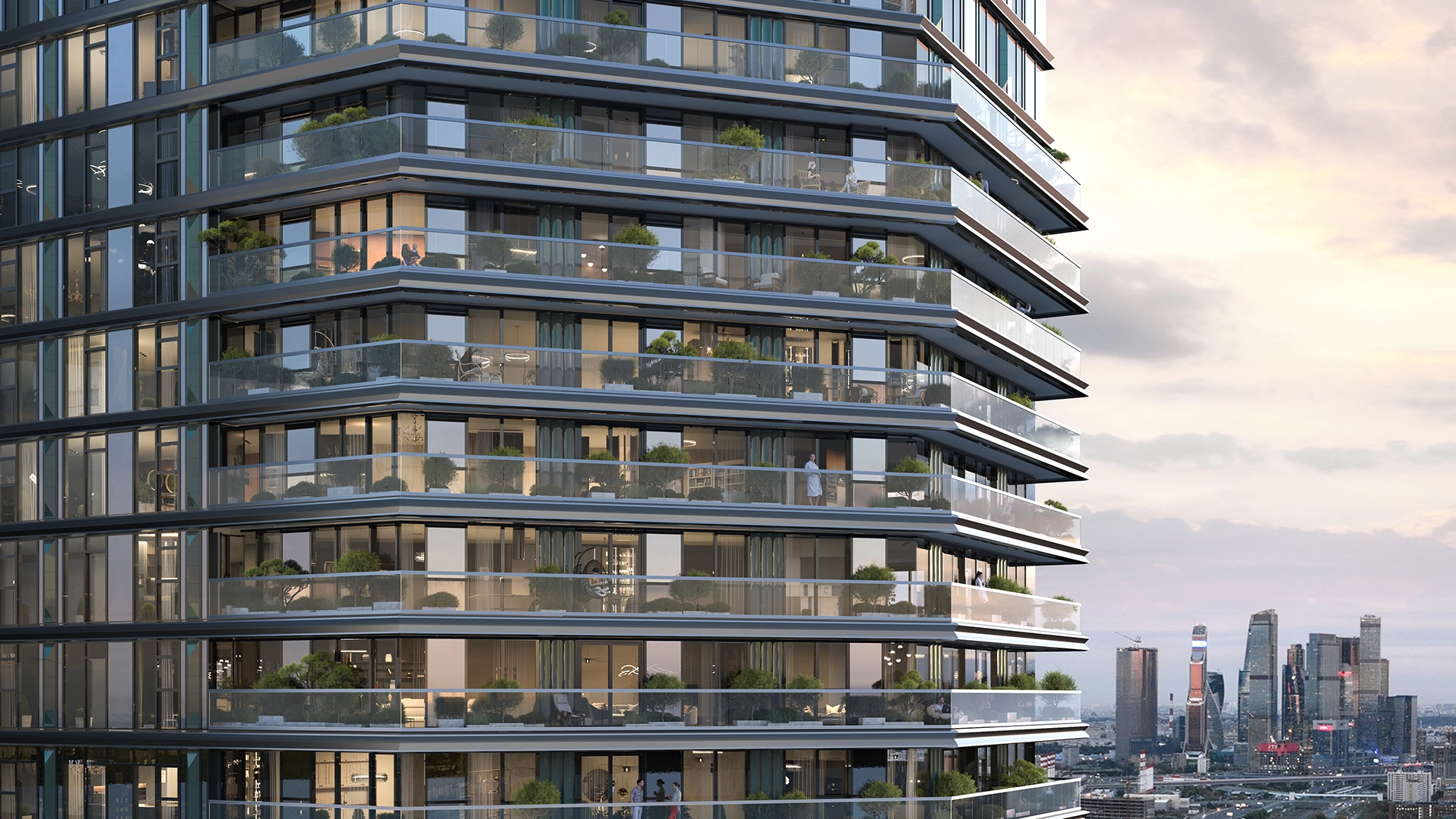
A complex of premium class apartments and apartments in five minutes from Belorusskaya metro station. You can choose options from compact studios to spacious apartments or three-bedroom apartments.
| Lots | Area from |
Price from
|
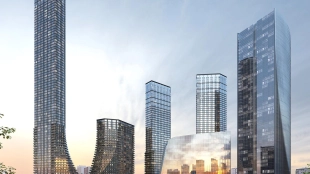
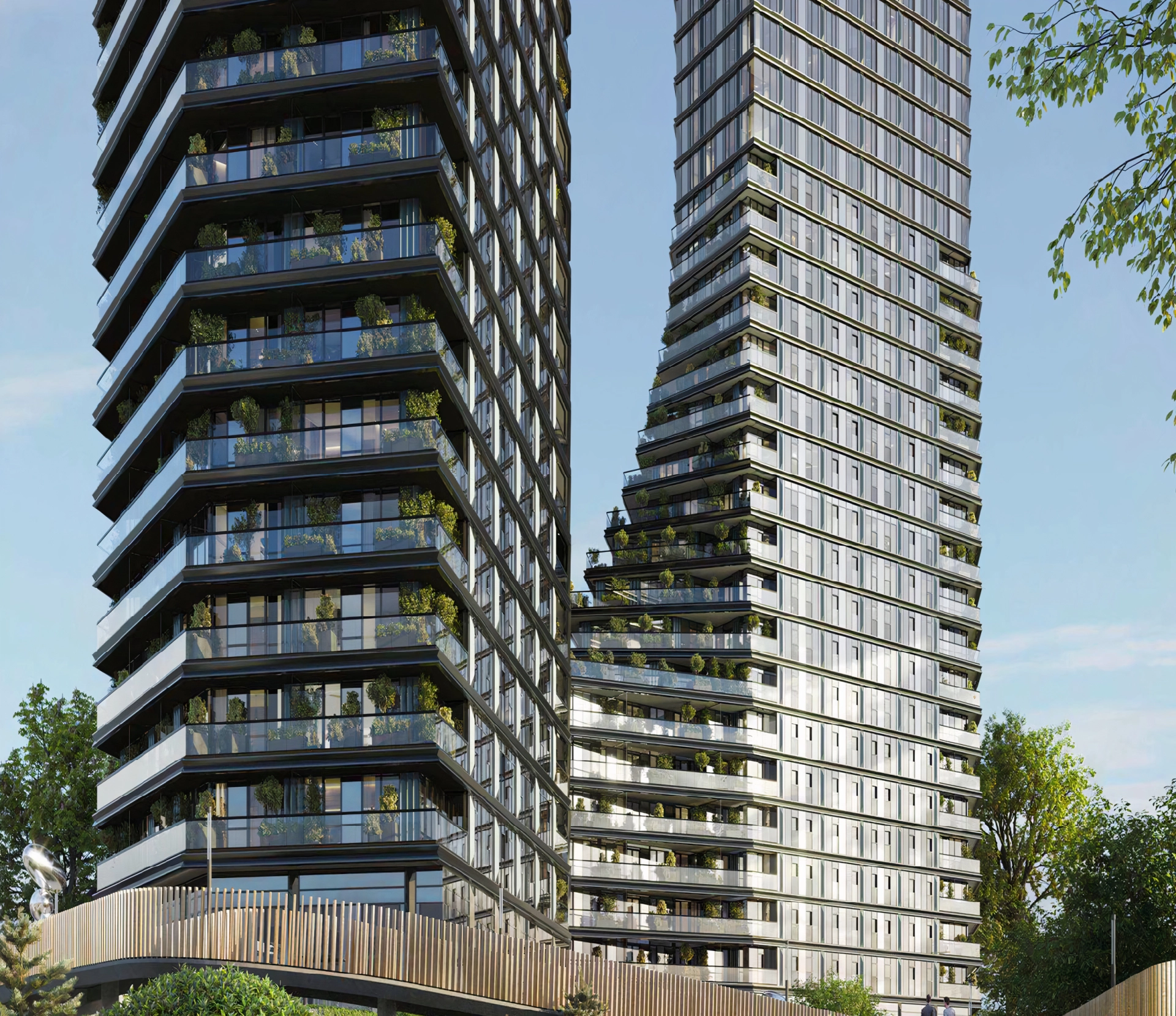
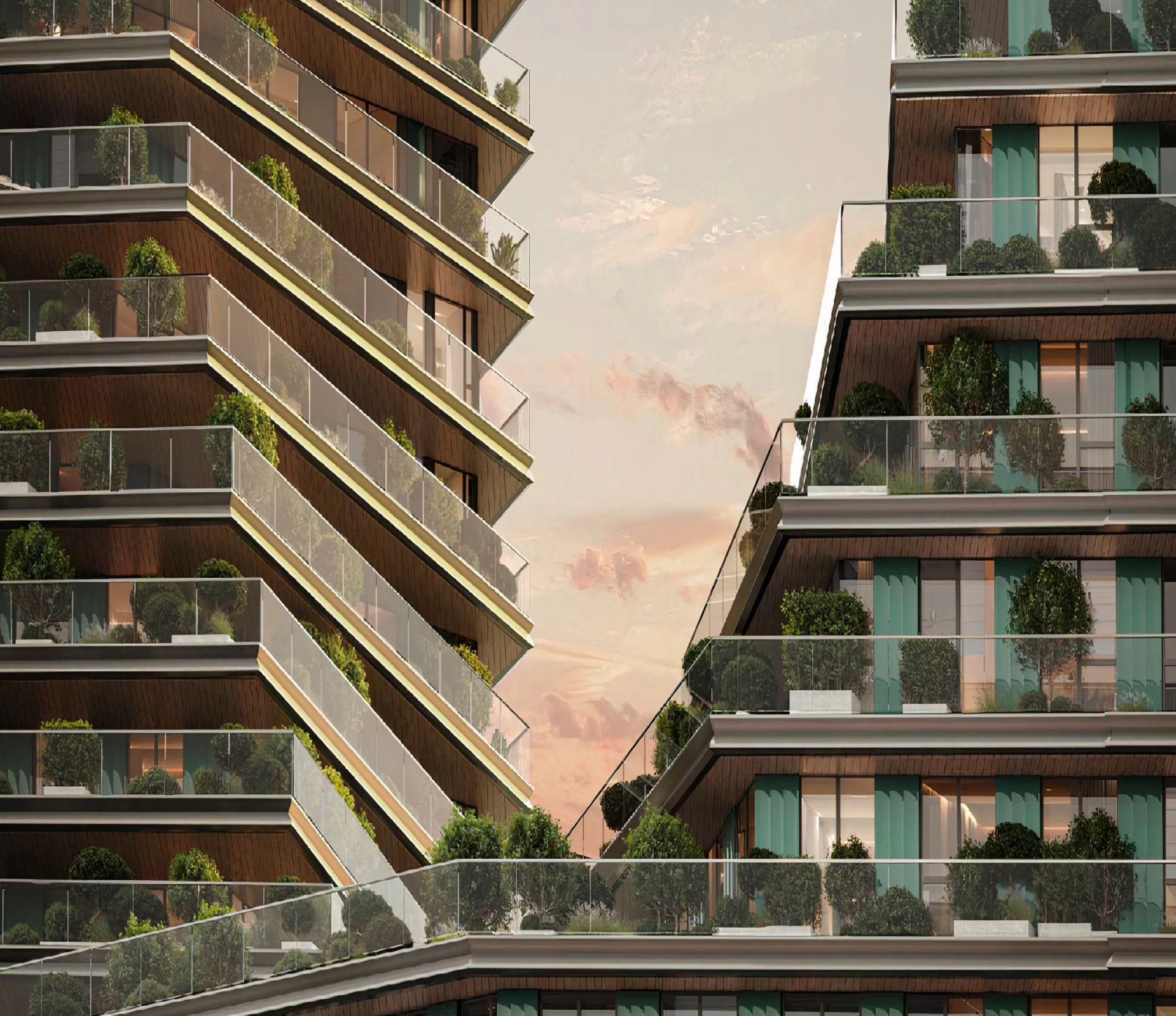
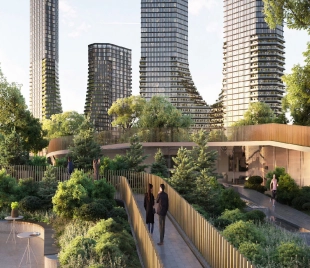
A premium class project on the territory of "Big City" in seven minutes from the metro station "Khoroshevo". The project consists of 6 buildings with apartments and office premises. All apartments have whitebox finish, which means that almost all noisy and dirty works are behind.
| Lots | Area from |
Price from
|
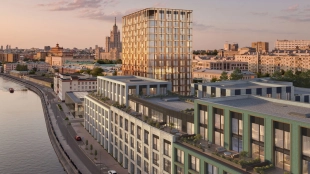
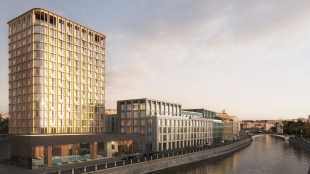
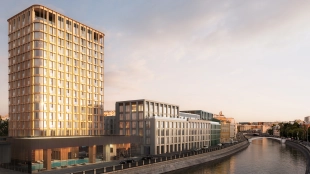
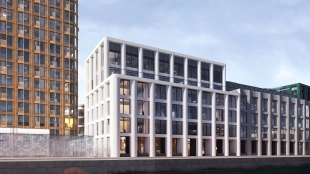
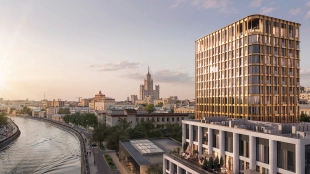
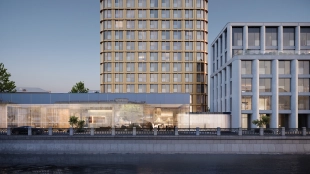
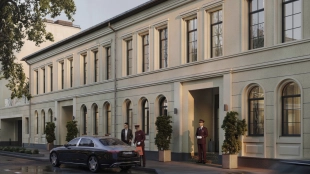
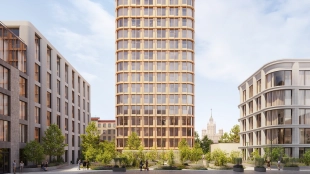
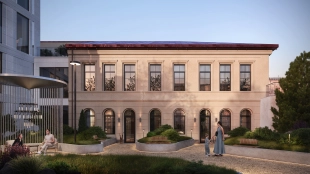
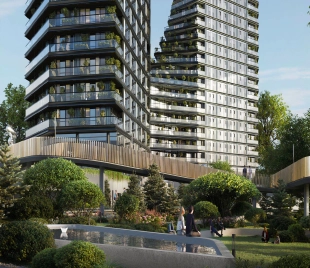
Deluxe class club quarter on Sadovnicheskaya Embankment in Zamoskvorechye. The project consists of 4 buildings from 1 to 10 floors. There are variants from 1-bedroom apartments to spacious 5-bedroom residences. You can also choose a penthouse with a terrace and a wood-burning fireplace or an urban villa with a private entrance.
| Lots | Area from |
Price from
|
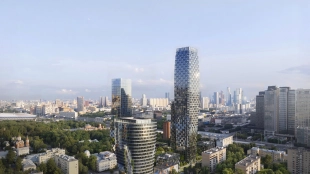
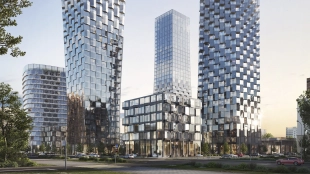
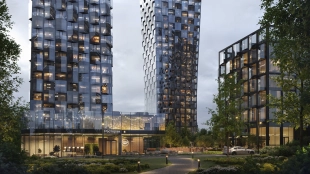
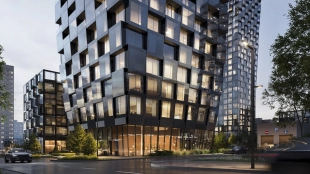
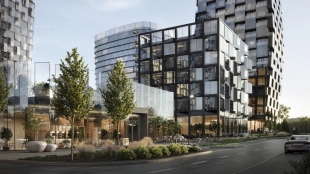
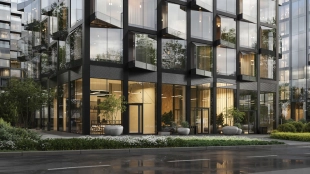
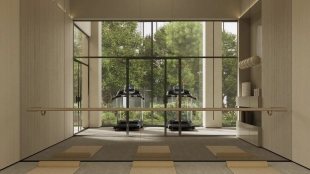
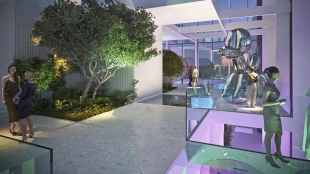

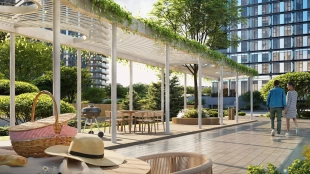
“C5” is a premium residential complex near Petrovsky Park, in one of Moscow’s greenest neighborhoods. The project consists of nine buildings: six residential towers ranging from 4 to 48 stories, an office building, commercial spaces, and an entrance pavilion. The collection features 770 residences with ceilings up to 4.8 meters high, including penthouses with terraces and views of the park, the “Moscow City” towers, and the historic city center.
| Lots | Area from |
Price from
|
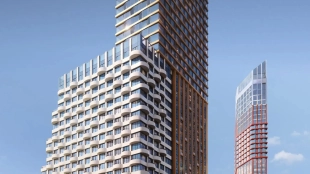
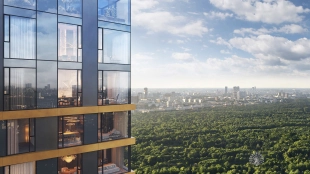

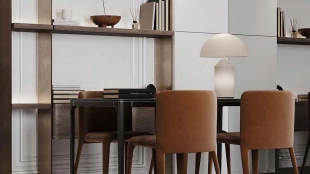
Business class complex in 4 minutes from the central alley of Sokolniki Park. There is a wide range of apartments: from compact studios to spacious family solutions. On the upper levels there are view apartments and penthouses. The internal garden continues the natural landscape of Sokolniki Park.
| Lots | Area from |
Price from
|
Read also: