The Moscow Real Estate Market in the Fall of 2026

Market-rate mortgages will remain expensive. The key interest rate as of July 24 is 14%. The high interest rate is keeping demand for alternative purchasing methods strong: installment plans from developers and customized payment schedules. Terms depend on the project and the size of the down payment.
Prices are rising in sought-after new-construction projects. In September–October, projects with high sales volumes are expected to see a scheduled price increase. At the same time, developers will update their installment plans and special purchase terms. Apartments in select premium projects will start at 430,000 rubles per square meter at the start of sales.
Two purchase scenarios:
- At the start of sales. A wider selection of apartments and the opportunity to lock in the lowest price.
- Closer to the building’s completion. Shorter wait time for keys. You can move in faster or start renting out the apartment sooner.
Ready-to-move-in 3–4-bedroom apartments remain in short supply. 12,500 transactions involving ready-to-move-in apartments were registered in Moscow in July. Demand for ready-to-move-in apartments in modern buildings remains high in the resale market. There is a particular shortage of 3–4-bedroom units. In sought-after locations, listings offering good value for money are quickly snapped up, while the time other properties spend on the market may increase.
Demand for premium real estate extends beyond the Central Administrative District. In Moscow, 591 transactions worth 100 million rubles or more were concluded between January and July 2026: 51% in the Central Administrative District (CAO) and 49% in other districts. For the first time, transactions involving high-end real estate were distributed almost evenly between the center and other districts. Interest in western and northwestern Moscow has grown particularly noticeably.
A weakening ruble could attract buyers with foreign currency to the market. Some clients who hold their capital in foreign currency are waiting for a more favorable exchange rate. If the ruble continues to weaken, they may exchange their funds and use them to purchase real estate.
August–October is the peak rental season. The average long-term rental rate in Moscow is 90,000 rubles per month. Rents for the most sought-after apartments may rise by 5–10%. Despite the seasonal uptick, a sharp increase in rents across the entire market is not expected: supply significantly exceeds last year’s level. Apartments with high-quality renovations, convenient transportation access, and reasonable prices will find tenants the fastest.
The shortage of office space will keep rental rates and property values high. Investment in commercial real estate in Moscow and the Moscow Region declined in the first half of the year. However, high-quality offices in prime business locations remain in short supply. Limited supply may support further growth in rental rates and property values. The greatest interest remains in ready-to-occupy offices with tenants and spaces located near metro stations and transportation hubs. Rental rates may rise by 5–6%, and the sale prices of office properties by 6–8%.
Fall is the time to lock in terms. Three steps:
1. Compare offers on the primary and secondary markets.
2. Choose a suitable installment plan or negotiate a customized payment schedule.
3. Lock in terms before the planned price increases in high-demand projects.
In the fall, the number of transactions will rise, and the most attractive offers will start to sell out faster.
Sources: Bank of Russia, Rosreestr, RBC, Vedomosti, Kommersant, DOM.RF, “Domklik,” VpMar.pro, NF Group, and data from Whitewill.



Best offers in Moscow:
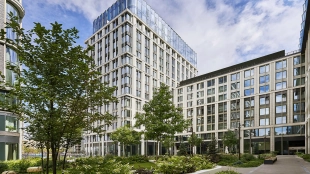

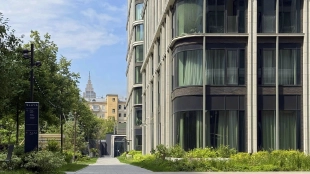

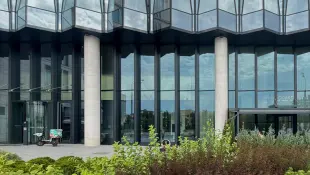
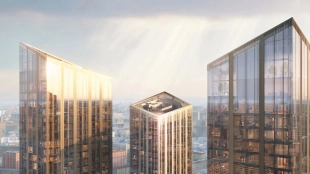

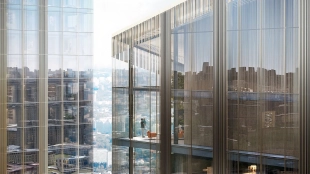
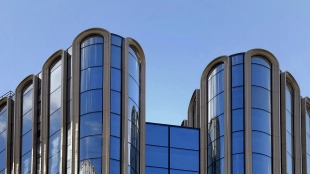
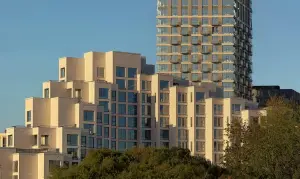
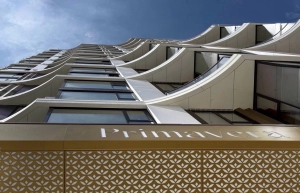
A complex of premium class apartments and apartments in five minutes from Belorusskaya metro station. You can choose options from compact studios to spacious apartments or three-bedroom apartments.
| Lots | Area from |
Price from
|
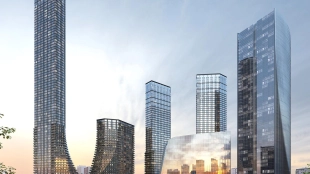
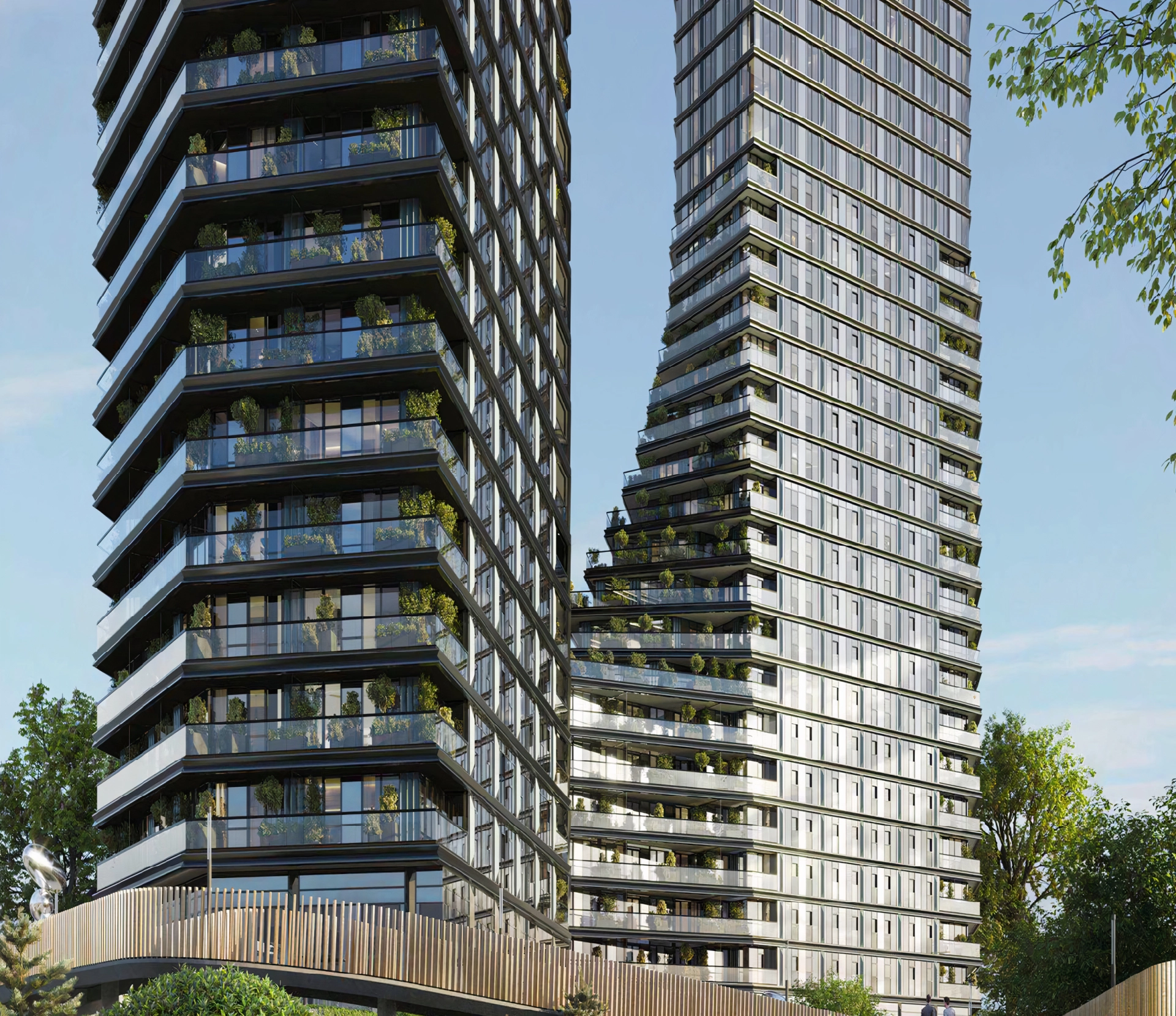
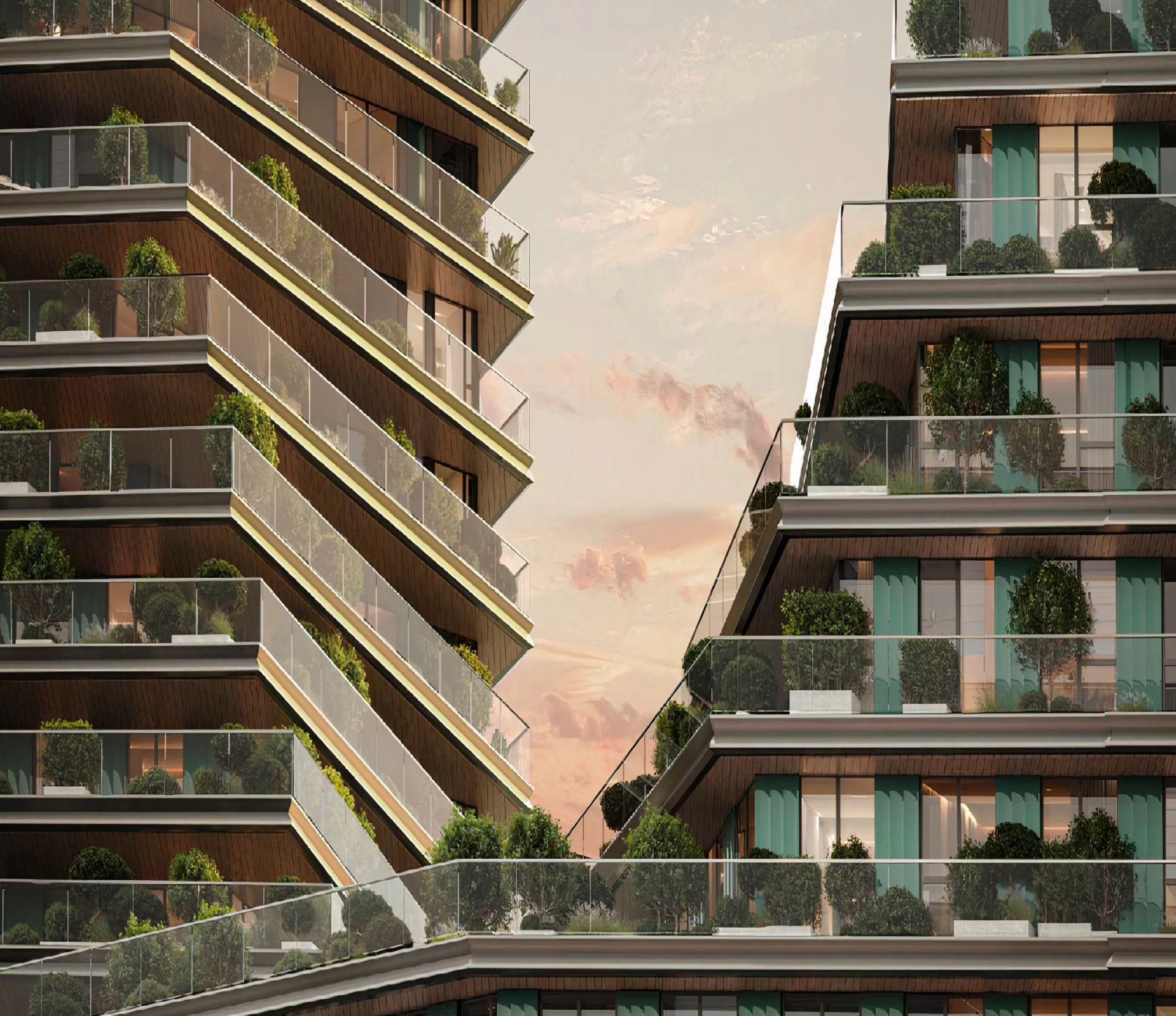
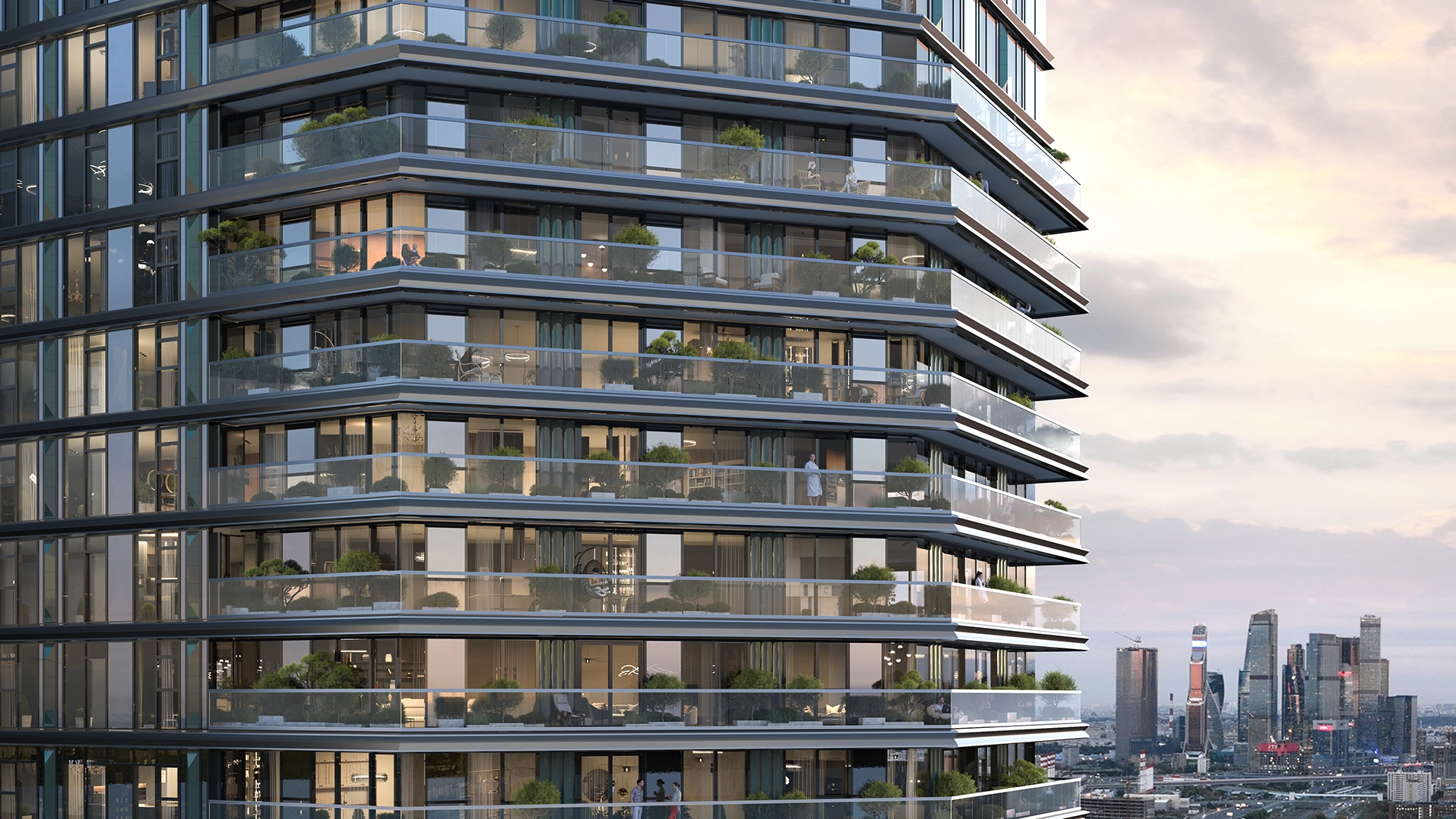
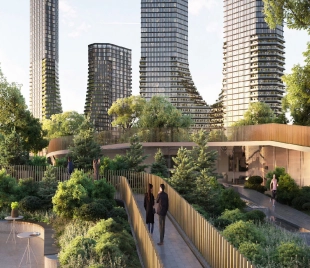
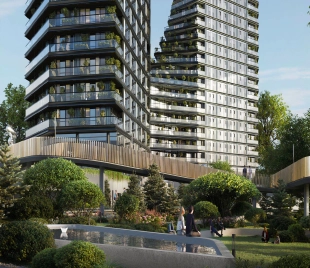
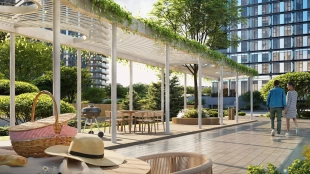
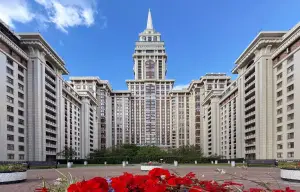
A premium class project on the territory of "Big City" in seven minutes from the metro station "Khoroshevo". The project consists of 6 buildings with apartments and office premises. All apartments have whitebox finish, which means that almost all noisy and dirty works are behind.
| Lots | Area from |
Price from
|
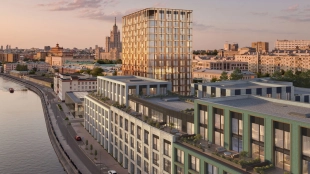
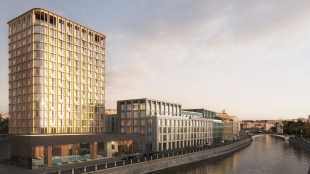
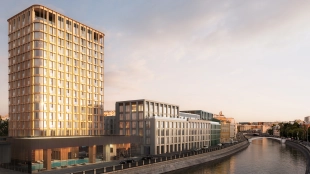
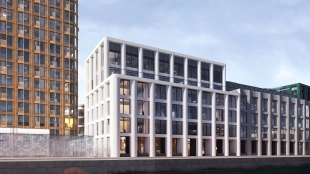
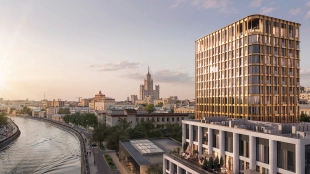
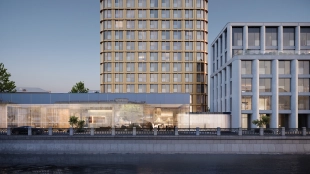
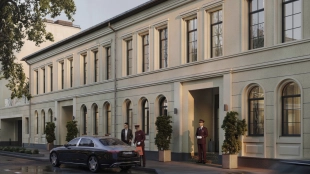
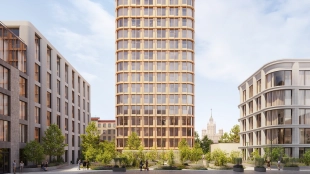
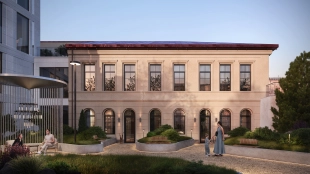
Deluxe class club quarter on Sadovnicheskaya Embankment in Zamoskvorechye. The project consists of 4 buildings from 1 to 10 floors. There are variants from 1-bedroom apartments to spacious 5-bedroom residences. You can also choose a penthouse with a terrace and a wood-burning fireplace or an urban villa with a private entrance.
| Lots | Area from |
Price from
|
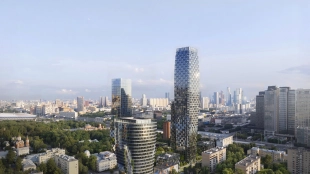
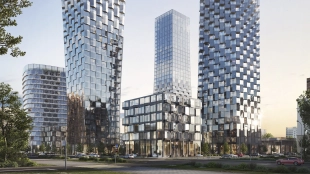
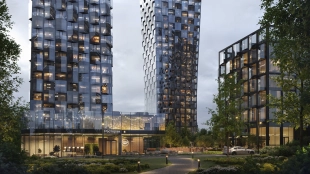
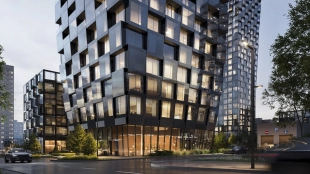
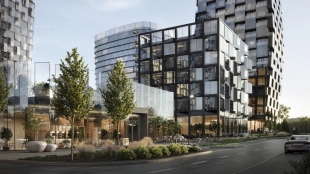
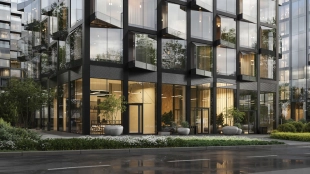
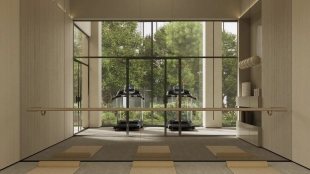
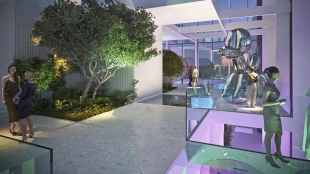

“C5” is a premium residential complex near Petrovsky Park, in one of Moscow’s greenest neighborhoods. The project consists of nine buildings: six residential towers ranging from 4 to 48 stories, an office building, commercial spaces, and an entrance pavilion. The collection features 770 residences with ceilings up to 4.8 meters high, including penthouses with terraces and views of the park, the “Moscow City” towers, and the historic city center.
| Lots | Area from |
Price from
|
Read also: