Interview with Vitaly Korobov, Founder of Element

The focus in premium real estate projects has shifted. Today, quality of daily life and privacy are becoming key factors in the decision-making process.
Vitaly Korobov, founder of the development company Element, sees this as a shift toward a new development philosophy, where the company’s goal is not to sell an apartment, but to create an environment that frees up people’s time and energy.
The developer has now launched a new club house “Tessinsky, 5” in the Basmanny District of the capital. This is an exclusive Whitewill project, where we offer personalized terms for our clients and commissions for partners.
Vitaly Korobov shared with us in an interview his insights on modern development trends, privilege clubs for residents, and the specifics of the Moscow market.

— When people say that a high-end client “no longer buys an apartment,” what do they mean? The transaction still involves a property of a specific size. What’s the difference between what was sold ten years ago and what’s being bought and sold now?
Legally speaking, a person acquires a real estate property: an apartment and a share of ownership in the common property of a multi-unit building. But if you look at the motivation behind the purchase, the difference is enormous.
Ten years ago, in the premium segment, competition was largely based on the prestige of the address, signature “star” architecture, and the right apartment size. Today, all of this is merely the bare minimum. It allows a developer to position a project in the premium segment, but it no longer guarantees a client’s choice.
According to NF Group, nearly half of high-end real estate buyers cite privacy as one of the key criteria, while more than a third pay attention to the quality of the surroundings and the demographic makeup of the residents. Our experience confirms this: demand is increasingly shifting from square meters to the quality of everyday life.
In other words, people aren’t buying an apartment as a set of specifications. They pay for the opportunity to have more time for what matters, less daily hassle, more privacy, a high-quality environment, and excellent service. They’re buying the right not to waste their energy on things that can be handled professionally and discreetly.
After all, people aren’t choosing walls; they’re choosing how their mornings will unfold, how much time to spend commuting, how their children will grow up, and what kind of neighborhood they’ll have. That’s exactly why we talk about lifestyle ecosystems: in these projects, it’s not just the residence itself that matters, but everything that’s located around it and happens there.
It has always seemed strange to me to view real estate development solely as the construction of buildings. A building is a tool. The goal is much deeper: to make people’s lives better—more peaceful, more beautiful, free from the daily grind, and filled with meaningful experiences.

— You refer to time as the “new currency.” What exactly has changed in how developers manage the buyer’s time?
In the past, premium services addressed specific everyday needs. Today, their goal is to systematically reduce the amount of time wasted each day, and the tools to solve this problem must be incorporated into the project from the outset—right down to the parking garage as a service space with its own lobby—while taking into account the low ground clearance of certain premium vehicles.
In other words, people should be able to hold a business meeting close to home, resolve issues through digital services, avoid wasting time on household tasks, and switch more quickly between their various roles. In fact, we’re no longer competing just for the client’s comfort, but also for their time.
— Creating scenarios is another popular metaphor: the developer of the future as a director of the environment. But where does the director’s control over a resident’s life end?
It ends very quickly, actually. A developer’s task is not to impose scenarios, but to create opportunities. We can design a space that fosters communication, relaxation, work, sports, or family leisure. But we cannot and should not determine exactly how a person will make use of all this.
A good, enriching environment expands freedom of choice. A poor one restricts it. Therefore, the developer of the future is not a director of human behavior. We design an ecosystem in which everyone can live out their own story.

— Are architectural flourishes like a sky bridge or a spacious terrace—especially in St. Petersburg’s climate—a real asset for residents or just marketing gimmicks?
Any striking architecture inevitably becomes a marketing tool, but it isn’t created for that purpose alone. The criterion is simple: does a particular design offer a new user experience?
For example, the sky bridge in the Vasilyevsky project isn’t just a striking visual element. It’s over 1,000 square meters of club facilities. The same applies to public terraces, private spaces, and lounges with scenic views.
— Let’s return to the topic of privacy and security—although, in general, both St. Petersburg and Moscow are quite safe cities for residents. But nearly half of luxury real estate buyers cite a secure environment as a priority. Isn’t premium development turning into a tool for social segregation?
I think it’s important not to confuse segregation with a conscious choice of environment. Yes, about 45% of buyers of high-end real estate cite the safety and security of the area as one of the key factors in their choice, while about a third cite the ability to control the level of social interaction. But this isn’t about a desire to cut oneself off from society or the city. It’s simply a desire to live in a familiar, comfortable, and predictable environment.
People have always chosen surroundings that align with their lifestyle and values. We see this in their choice of universities, business clubs, sports communities, and cultural institutions.
Modern premium real estate development does not create closed-off worlds. It builds an environment for communication, interaction, and living among people who share similar expectations regarding comfort and service.

— Do you build homes for people who don’t want to flaunt their status, or for those who want to flaunt it in the right way?
I think today’s high-end client is less and less interested in displaying status as an end in itself. We’ve been observing the global trend toward so-called “quiet luxury” for quite some time now, but this isn’t about rejecting high quality. It’s about rejecting the need to constantly prove one’s success through external trappings.
People still choose outstanding architecture, the finest materials, and a high level of service. But they do so first and foremost for themselves and their families, not to flaunt their status.
— What does quality of life mean to you personally?
If this question had been asked a few years ago, I would probably have talked about pace, achievements, and the scale of my goals. Today, my perspective has changed.
Research by Knight Frank shows that even among the world’s wealthiest people, it is not material indicators of success that take center stage, but rather health, family, emotional well-being, and the quality of the environment in which one lives. I understand this trend well. The last few years have been a period of rapid growth and difficult decisions for our company. That is precisely why, for me today, quality of life isn’t about a lack of ambition, but about the ability to sustain my energy over the long haul. Having time for family. Having space for reflection. Working with pleasure, not just for the sake of results.
Perhaps that is precisely why I am drawn to the idea of creating projects that help people live not faster, but better.

— You’ve entered the Moscow market. How does your approach change when you apply it from one city to another—from St. Petersburg to Moscow?
The philosophy remains the same. What changes is the cultural context. St. Petersburg has traditionally been more sensitive to architecture, the history of a place, and aesthetics. Moscow is more focused on dynamics, efficiency, and the speed of decision-making. Therefore, in Moscow, it makes sense to emphasize the service component and business-oriented uses of space. In St. Petersburg, on the other hand, more attention should be paid to the emotional architecture of the environment and the cultural context.
But the most interesting developments are happening right now at the intersection of these two schools of thought. St. Petersburg developers are actively expanding into Moscow, while Moscow-based developers are strengthening their presence in St. Petersburg. I believe this is a beneficial process for the entire industry. It raises quality standards and accelerates the development of the premium segment.
— So, instead of the “location, location, location” mantra, what does the future hold for luxury real estate developers? The product, the services?
The product and the service—these are all tools. Important, but still secondary. When we discuss a new project, it’s essential to view it through the eyes of a future resident. Not as a “real estate property,” but as a place to live, in all its forms.
Join the affiliate program via the link. Refer clients to Whitewill on favorable terms.



Top listings from Element:
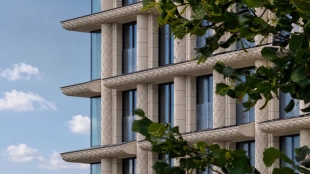
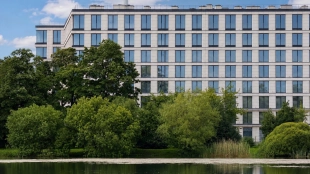
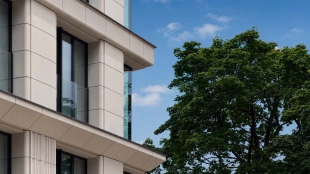
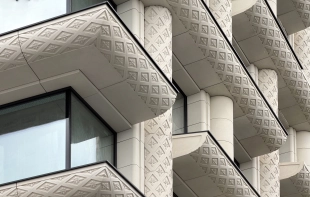
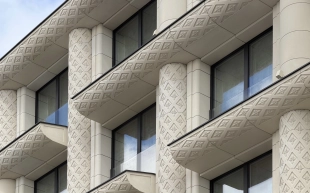
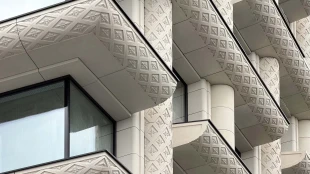
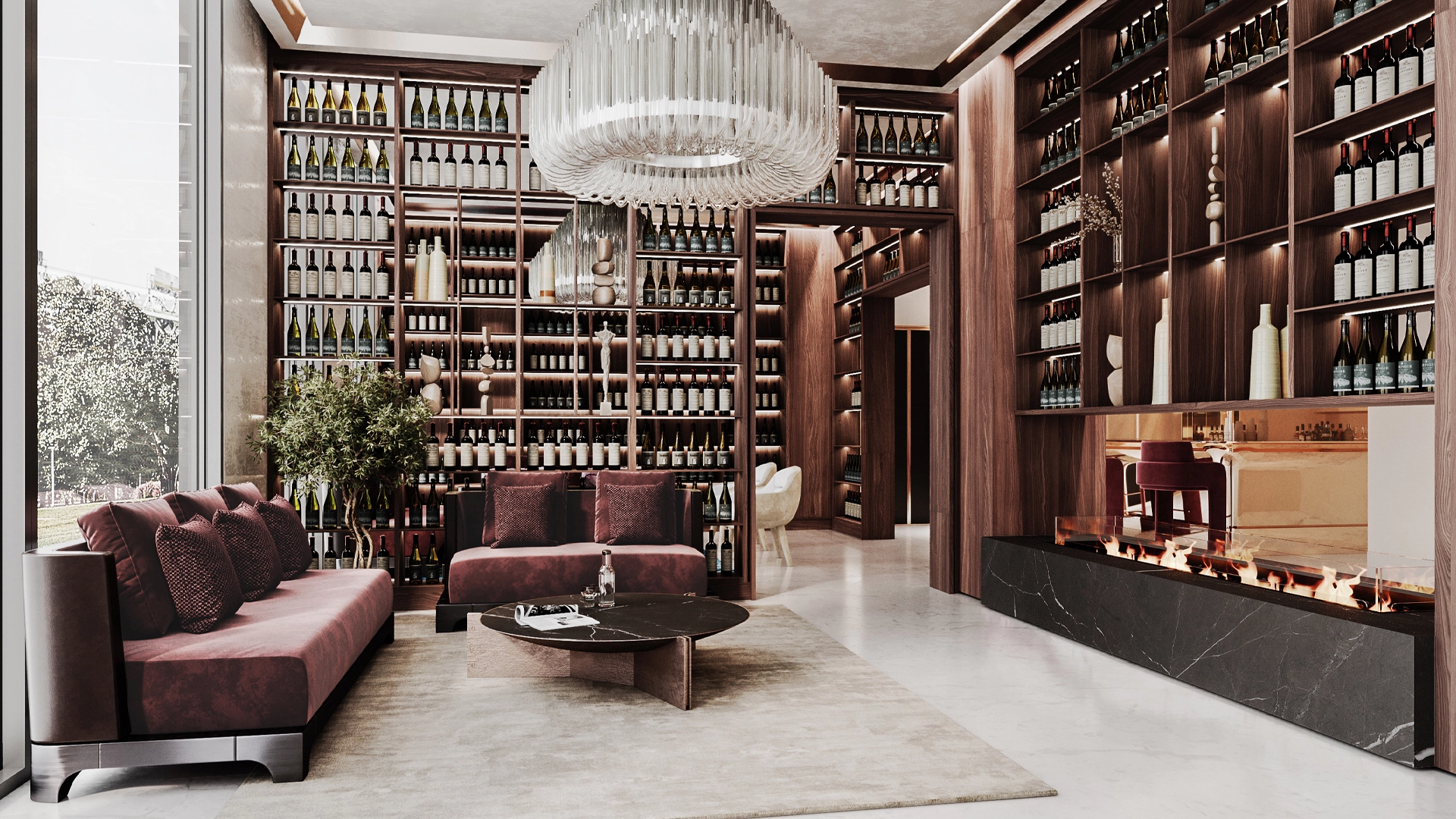
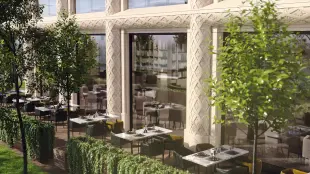
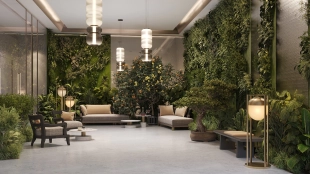
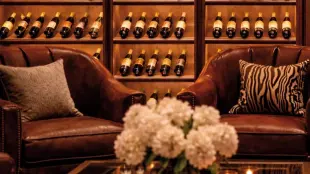
Apartment complex in the picturesque part of Petrovsky Island. Absolutely all windows have water views. The infrastructure meets high standards of life: 24-hour concierge service, wine and coffee lounges, fitness center, underground parking and smart home system.
| Lots | Area from |
Price from
|
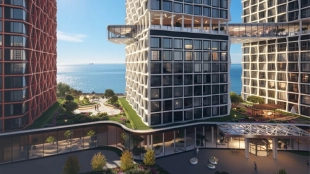
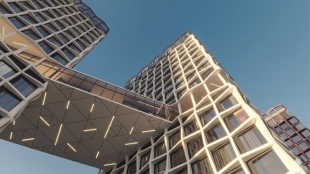
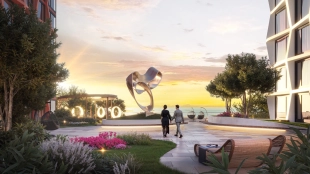
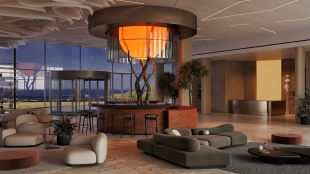
Five residential towers of 18-22 floors with their own embankment on Vasilievsky Island. The peculiarity of the complex is the "sky bridge" between the towers, which houses private club infrastructure.
| Lots | Area from |
Price from
|
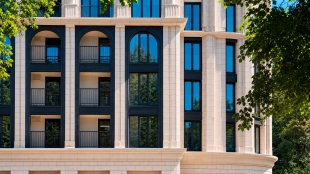
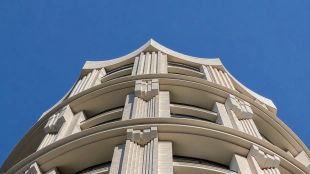
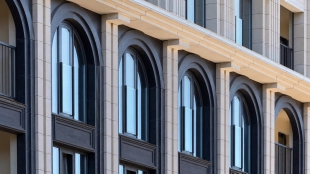
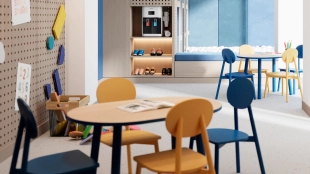
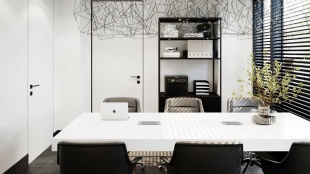
A premium-class residential complex in Moskovsky district. Three variants of apartment finishing are available - from pre-finished to ready-made solutions. The territory has been turned into a modern public garden with art objects and florarium. The infrastructure includes Sky lounge on the 24th floor with panoramic views, a co-working space and a cinema hall.
| Lots | Area from |
Price from
|
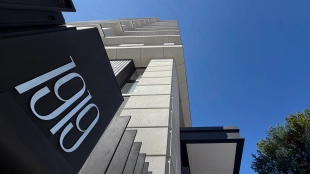
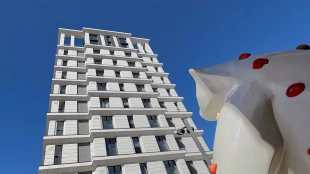
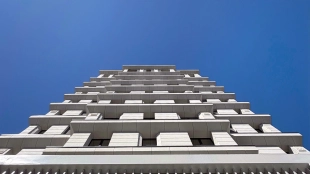
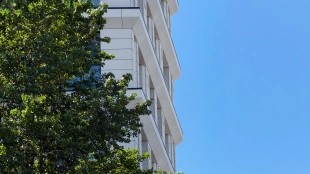
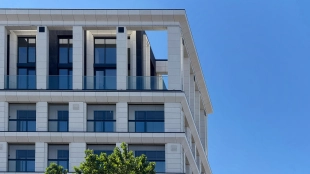
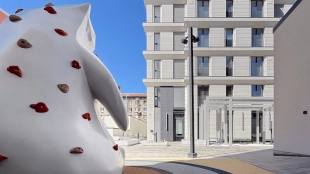
Premium class collection house in Moskovsky district. White box and finished apartments are available in the project. There is an underground parking lot with charging stations for electric cars. The infrastructure includes a 24-hour concierge service, co-working space and a closed courtyard with landscaping.
| Lots | Area from |
Price from
|
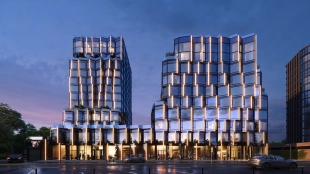
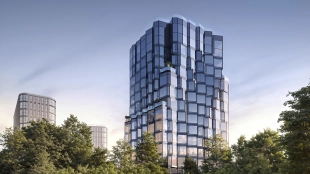
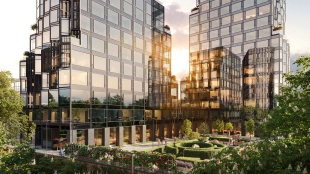
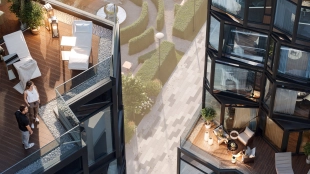
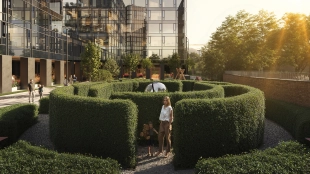
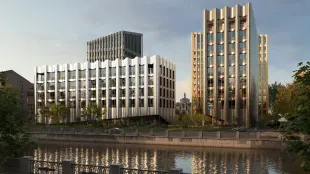
NOVAYA, 11 is a club house with a limited collection of real estate on the bank of the Yauza River in the historical Basmanny district of the capital. The project includes two buildings of 9 and 15 floors in height, 139 apartments in total.
| Lots | Area from |
Price from
|

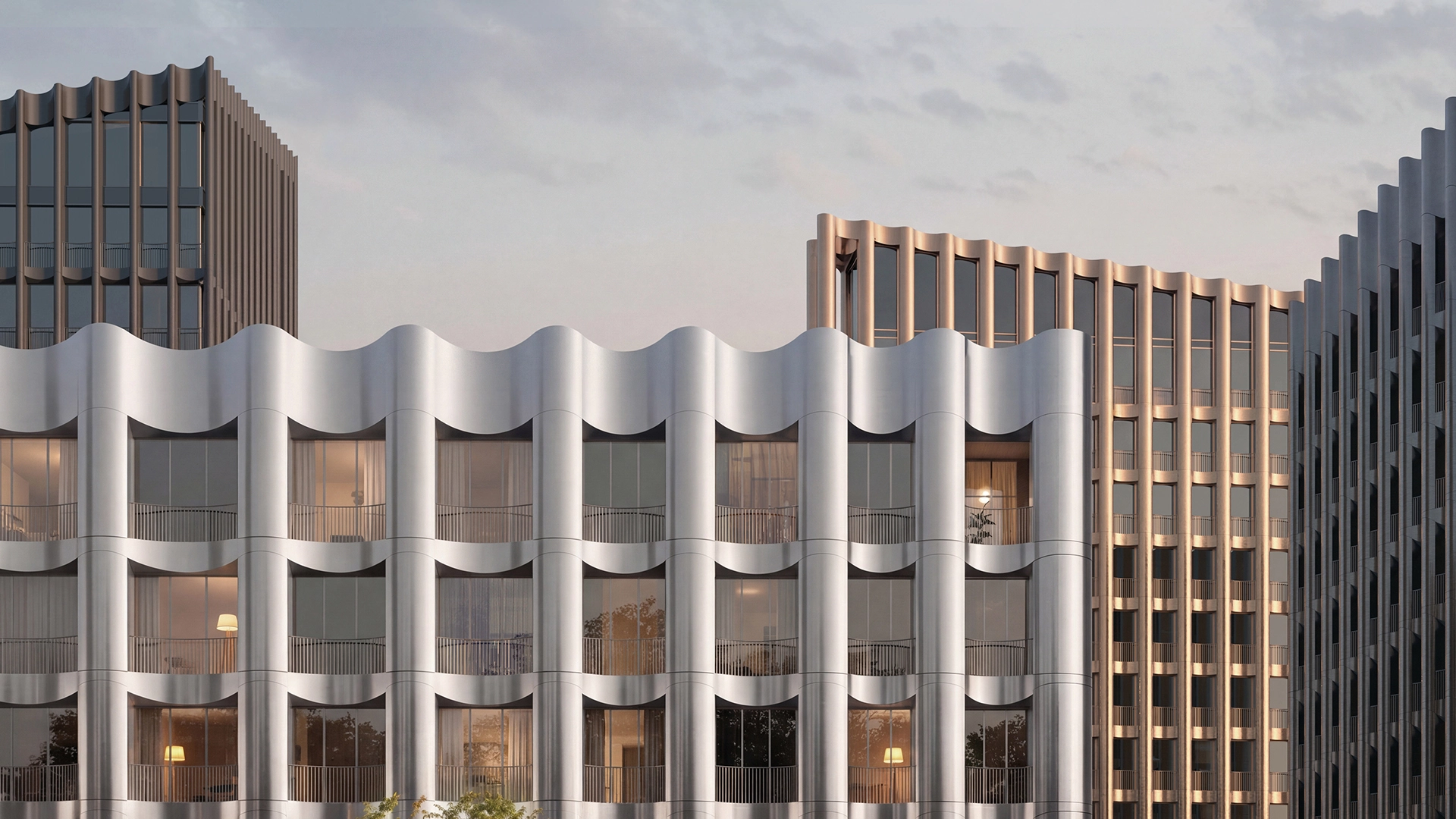
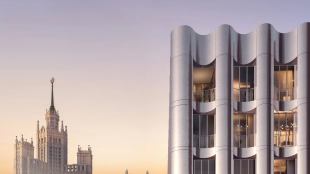
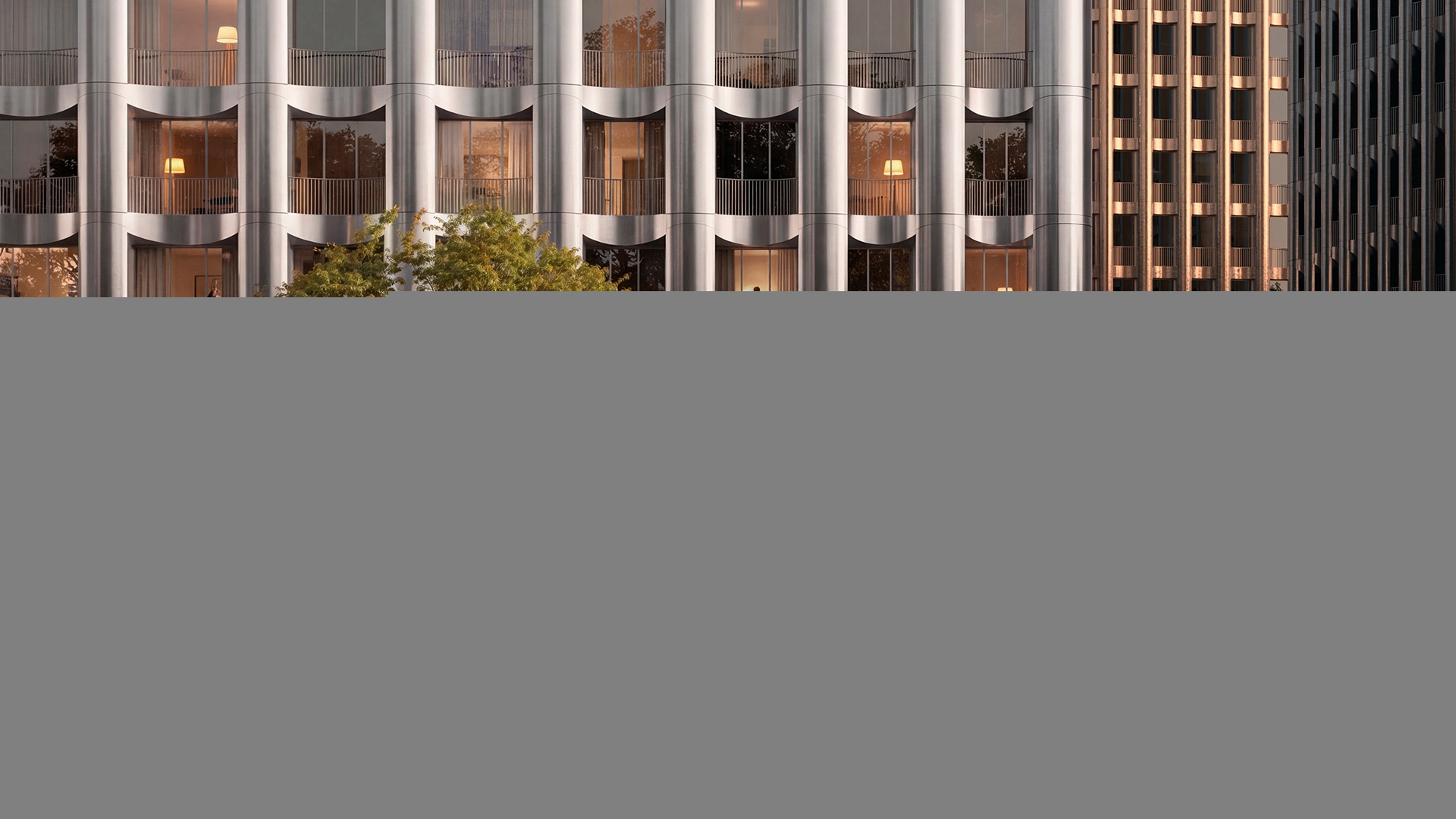

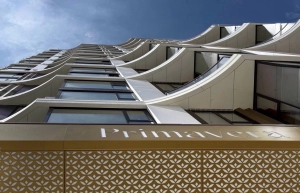
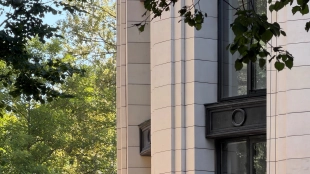
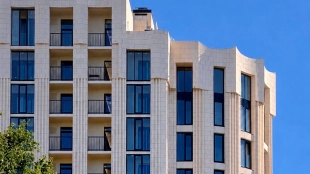
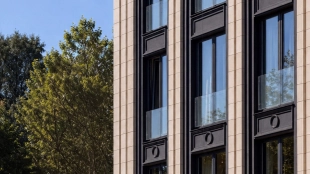
“Tessinsky, 5” is a deluxe-class residential complex in the Tagansky District. The architectural firm “Tsimailo, Lyashenko & Partners” designed the facades using anodized aluminum in four shades: bronze dawn, white noon, golden sunset, and dark midnight. Landscape architects have transformed the courtyard into a lush garden. You can stroll among the trees and shrubs, practice yoga outdoors, listen to music, and play with your children.
| Lots | Area from |
Price from
|
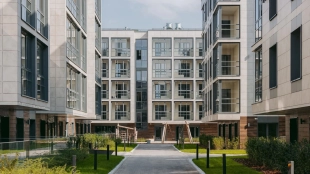
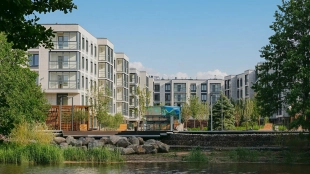
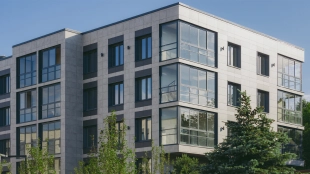
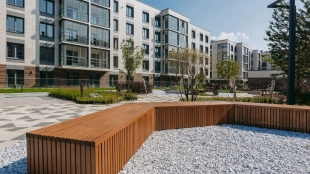
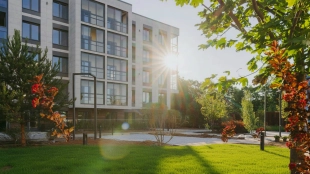
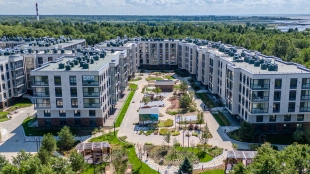
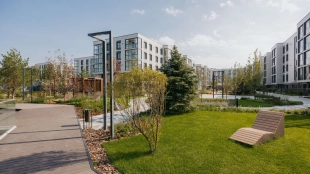
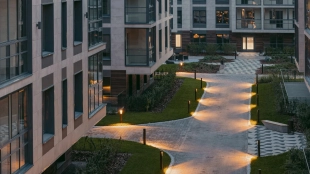
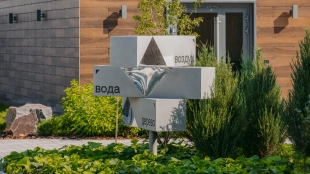
Apartments by a picturesque canal near the historical park and the coast of the Gulf of Finland. Three buildings with facades in light colors and decorative inserts, 715 apartments and its own infrastructure: stores, cafes, spa and restaurants with children's areas.
| Lots | Area from |
Price from
|
Read also: