Luxury apartments for sale in Moscow

















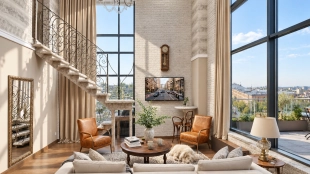
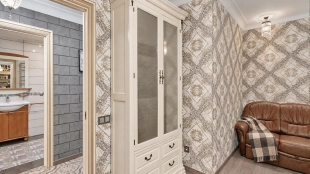

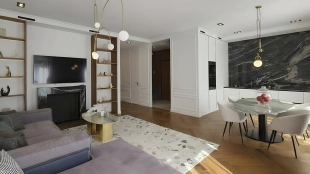
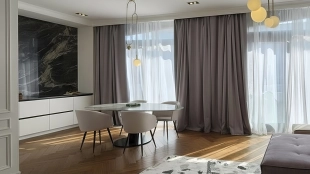





























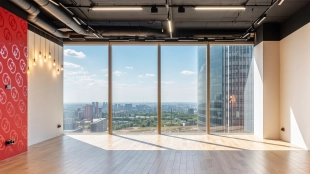
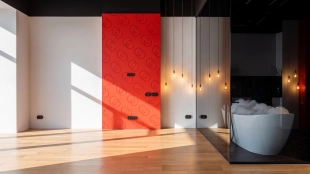
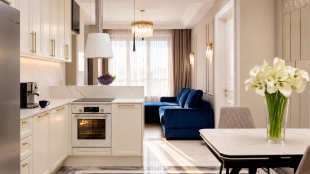
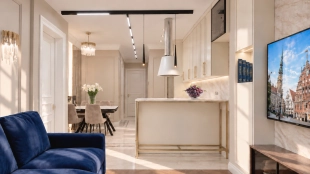







New buildings in Moscow

Real Estate Listings
Listings by County
Listings by Neighborhood
Similar Collections
Frequently Asked Questions
Apartments in Moscow: What You Need to Know Before Buying
Currently for sale: 1 526, with floor area starting at 22 m². People choose apartments in three situations. They need a home in a specific part of the city where residential construction isn’t permitted. Hotel-level services are important: a front desk, housekeeping, and an on-site restaurant. The purchase is intended for rental, and the entry threshold is more important than the property’s status.
The advantages of this format are location and price. Such complexes are built in business districts, along waterfronts, and in renovated historic buildings—places where residential construction is not permitted. The greatest number of options are in the southwest and downtown, particularly in the Danilovsky and Presnensky districts. In the same location, these apartments are usually cheaper than comparable residential units.
Restrictions are tied to their status: legally, these are non-residential properties, and the economics of ownership are different. Property tax in Moscow is 0.5% of the cadastral value, and if the building is classified as retail or office real estate, the rate is 1.5%. For apartments, the rate ranges from 0.1% to 0.3%. There is no 20 m² deduction here to reduce the apartment tax, nor is there a property deduction for personal income tax upon purchase. Utility bills are calculated based on rates for other consumers and include VAT—on average, the bill ends up being about fifteen percent higher. Family mortgages and maternity capital do not apply to non-residential properties.
The registration process has become more complicated than it sounds in older articles. There is still no permanent residence registration in apartments, but the Constitutional Court has recognized the right to register at the place of residence in hotel-style apartments. The rules are still being finalized, so before a transaction, the issue is checked on a building-by-building basis rather than by property type in general. The surrounding area is also considered separately: the developer is not required to comply with regulations regarding sunlight exposure, schools, and daycare centers in these cases.
The only thing that distinguishes this format from a standard apartment is its status: floor plans, finishes, and building systems are comparable in projects of the same class. There are many more apartments in the catalog, and if registration and benefits are important to you, it’s worth starting your search with them. Non-residential status is justified when deciding on location, amenities, and budget. A Whitewill broker will compare both options in your chosen neighborhood, calculate the owner’s annual expenses, and present four to six options.
What to check before making a deposit:
- whether the building is listed as retail and office real estate: this determines whether the tax is 0.5% or 1.5%;
- the cadastral value of the premises—the tax is calculated based on this value, not the transaction price;
- electricity and water rates charged by the specific property management company;
- whether it is possible to register a residence at this building;
- the use of neighboring units on the floor: an office or a noisy call center next door can change your life.