
Concept, types and classification of transactions
real estate: a complete guide

The concept of a real estate transaction
A transaction is a legal act that establishes, modifies or terminates the rights and obligations of the parties. It records agreements and protects everyone's rights. In the context of real estate, a transaction may be a purchase, sale, lease, or gift.
Features of real estate transactions
- Registration. Real estate transactions require mandatory state registration in Rosreestr.
- Documents. In such transactions, it is important to make sure that the seller has the right to dispose of the property and that there are no encumbrances such as liens, seizures or leases.
- Additional Spending. When dealing with real estate transactions, don't forget about the associated costs: state fees, notary and lawyer services.
- Notary Public. Some transactions require mandatory notarization. A specialist is needed, for example, when giving a gift of real estate.
Classification of real estate transactions
By number of parties
- Real estate transactions can be unilateral, bilateral, or multilateral.
- Unilateral. One person fulfills an obligation - donates an apartment.
- Bilateral. The most common type is a sale and purchase.
- Multiparty. Two or more parties - joint purchase or exchange.
By form of contract
Transactions can be oral or written. Oral transactions are possible in the case of short-term leases or personal arrangements. However, most real estate transactions are required to be in writing, especially if you are buying, selling or renting for a long term. The written form protects all parties involved.
By nature of legal action
- Recompense. One party receives money - sale and purchase.
- Gratuitous. The owner transfers the property without receiving compensation - a gift.
By moment of rights and obligations
- Consensual Transactions. Formalized on the basis of the agreement of the parties and come into force from the moment the terms are agreed upon - purchase of real estate.
- Real transactions. Require transfer of property - transfer of apartment by deed of gift.
Types of real estate sales contracts
Standard real estate sales contract
The basic type of contract when selling real estate. It includes all the important terms: description of the property, price, terms of transfer and payment. The standard contract is made in writing and registered with the Federal Register of Registrars to confirm the ownership of the buyer.
Preliminary sales contract
A contract is entered into when the parties agree to a future transaction, but for some reason cannot consummate it at the time of signing. A preliminary contract records the intentions of the parties - setting a price and terms - but is not a final transaction.
Exchange agreement
Involves the exchange of real estate. Unlike a sale, the parties transfer property of equal value to each other.

Deed of gift
The gift of real estate is possible when one person transfers an apartment to another person for free. Such a transaction necessarily requires notarization and registration in the Rosreestr. Also here arises a gift tax in the amount of 13% of the cadastral value of the donated apartment. If you give real estate to a close relative, then the tax does not need to pay.
Equity participation agreement
This is a contract between a developer and a buyer when buying a property during the construction phase. The buyer becomes a shareholder in the not yet built object, and the developer undertakes to build the object and transfer it into the ownership of the shareholder immediately after receiving permission for commissioning. The shareholder is obliged to pay for the object.
Contract by assignment
An assignment is a contract that transfers the rights and obligations of real estate in a newly constructed building. It is signed while the house is still under construction. The rights to the real estate are granted by a natural or legal person who signed a contract of participation in construction.
Types of residential transactions
Free sale
A freehold sale is a standard transaction in which the seller sells the apartment without restrictions - encumbrances or debts. The process is quick because both parties are free to dispose of the property.
Mortgage transactions
In a mortgage transaction, the buyer takes out a loan to buy real estate from a bank. After the transaction is completed and the title is registered at the Federal Registry, the bank holds a lien on the real estate until the debt is paid in full.
Transactions with encumbrances
Encumbered transactions are conducted with real estate that has a restriction on its rights - a lien or leasehold interest. In such cases it is important to find out all the details of encumbrances to make sure that the rights of third parties will not be violated. If an apartment has been seized, it may be impossible to sell it without a court order.
Transactions involving maternity capital
Real estate purchased with matcapital must be registered with Rosreestr and meet the conditions of the Social Insurance Fund - it must be intended for permanent residence and have supporting documents stating that the apartment was purchased with matcapital funds. It is important to take into account the peculiarities of such transactions: you can use the matkapital only after the child reaches the age of 3 years, the property must be registered in common ownership of parents and children, and after the purchase of the Pension Fund necessarily checks that the money went exactly to buy the apartment and was not cashed in.
Types of commercial real estate transactions
Leasing of commercial premises
Long term or short term leases of offices, stores and warehouses are formalized by a written lease agreement. All important terms and conditions - lease terms, rent amount and responsibility of the parties - are put into the document.
Investment deals
An investment transaction with commercial real estate is the purchase of a property with the intention of leasing or reselling it and making a profit. In such transactions, you need to carefully analyze the market value of the property and future rental income.
Land transactions
Here it is important to consider the intended purpose of the object and its legal status. The land plot may be intended for agriculture, construction of a residential house or commerce. You also need to make sure that there are no encumbrances on it, and whether you can get permission to use the land from the local authorities - the administration of the district or city council.
Possible risks and how to prevent them
Every real estate transaction carries its own risks. If you buy an apartment without prior inspection, you may receive a problematic property, burdened with debts or disputed property rights. To avoid this, you should always check the object through the Rosreestr, or better to entrust everything to a broker.
If you rent a property, carefully study the terms of the contract, so that later you do not get an unpleasant surprise in the form of additional costs for utilities, maintenance or repairs.

Legal aspects and registration of transactions
Documents required for registration
Here are the documents needed for any real estate transaction:
- Passport of the seller and buyer or their legal representatives.
- Document confirming the title to the object - a certificate of ownership or an extract from the Rosreestr.
- Property technical passport.
- Spousal consent to the transaction if the real estate is jointly owned or purchased by both spouses.
- Certificates of absence of debts on utility payments and payment of taxes. Can be obtained from the nearest MFC or your MC.
State registration procedure
State registration of the title to real estate is a mandatory stage of any transaction. To register, you need to submit an application to the Rosreestr, providing the purchase and sale agreement, documents confirming ownership and receipts for payment of state duty. Registration takes from 5 working days to several weeks - it all depends on the complexity of the transaction and the workload of the body. After registration, the buyer receives an extract from the USRN, which confirms his right of ownership.
Role of the notary in real estate transactions
A notary is involved in real estate transactions when a document needs to be notarized - in a gift or will. The specialist checks the authenticity of the signatures of the parties and legally certifies that all conditions are fulfilled by both parties. The notary can also act as a custodian of the money, provided that the transfer of funds only after the registration of ownership of the buyer.
If you want to get only positive emotions from buying real estate and delegate all the troubles to professionals, order a callback from our brokers. Specialists will select the object according to your preferences and conduct the transaction.



Top 10 new buildings according to WHITEWILL experts
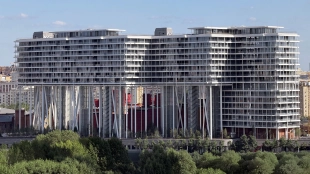
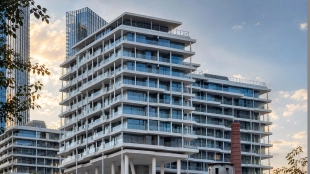


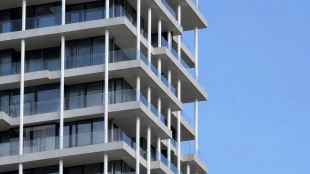
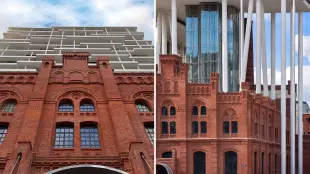


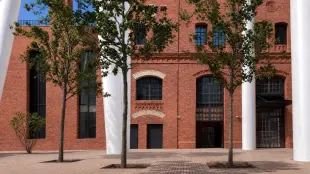
A premium complex with apartments, apartments and villas, and a new public space on the site of a late 19th century brewery.
| Lots | Area from |
Price from
|
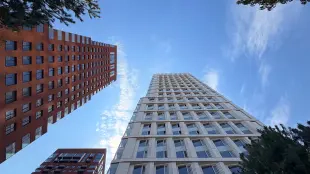

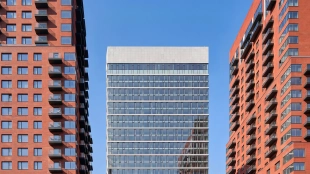


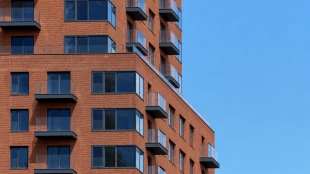


A few minutes ago you were at home. Now you're enjoying a spa with pool, movie theater and shopping. The kindergarten is also just a short walk away - right on the block.
| Lots | Area from |
Price from
|

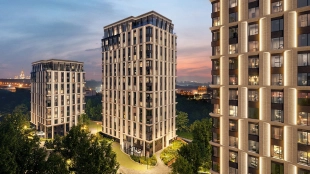

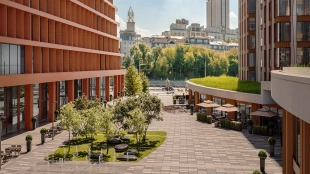

"Luzhniki Collection" is a collection of 12 clubhouses surrounded by a private park of 8 hectares. The name of the project was chosen for a reason - it is located 50 meters from the entrance to the legendary Luzhniki sports complex.
| Lots | Area from |
Price from
|
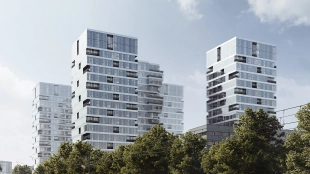
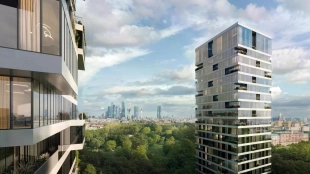


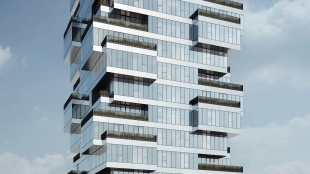
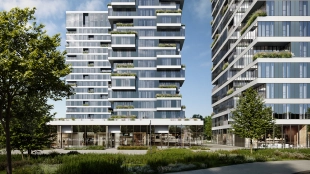



A premium-class residential complex of five towers up to 18 floors high. The apartments are presented both with and without finishing. The appearance of the complex refers to the idea of Jenga game. The territory is designed as a landscape park. A Sport&SPA zone will be available for residents.
| Lots | Area from |
Price from
|
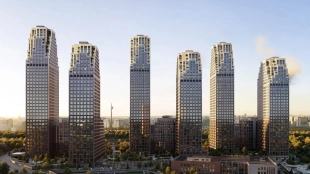
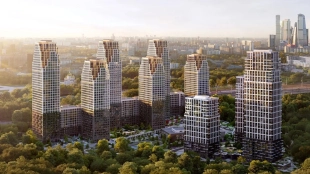
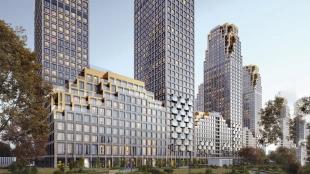
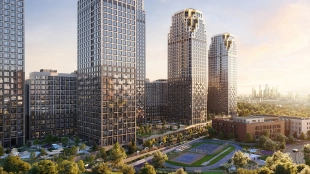
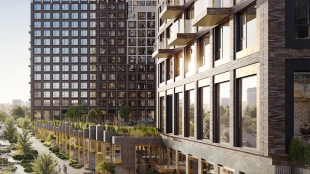

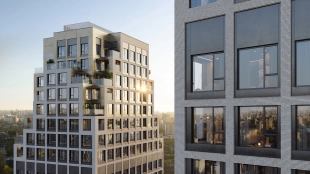


Premium class project near Poklonnaya Hill in the valley of the river "Setun". Apartments with finishing, balconies and terraces are presented. The territory has a school and a kindergarten, a stadium, children's and sports grounds, bicycle routes, an outdoor cinema and a recreation area.
| Lots | Area from |
Price from
|


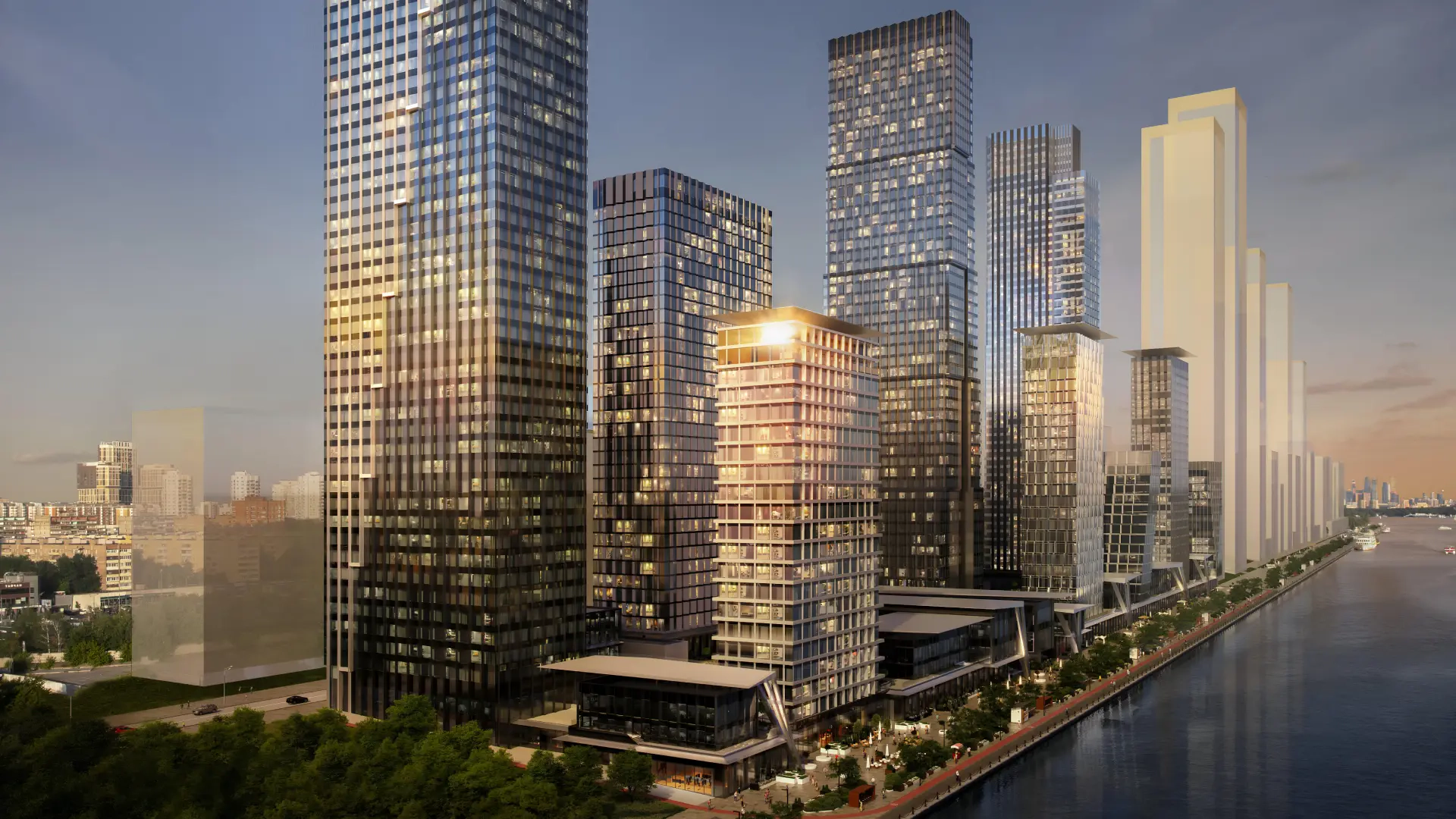
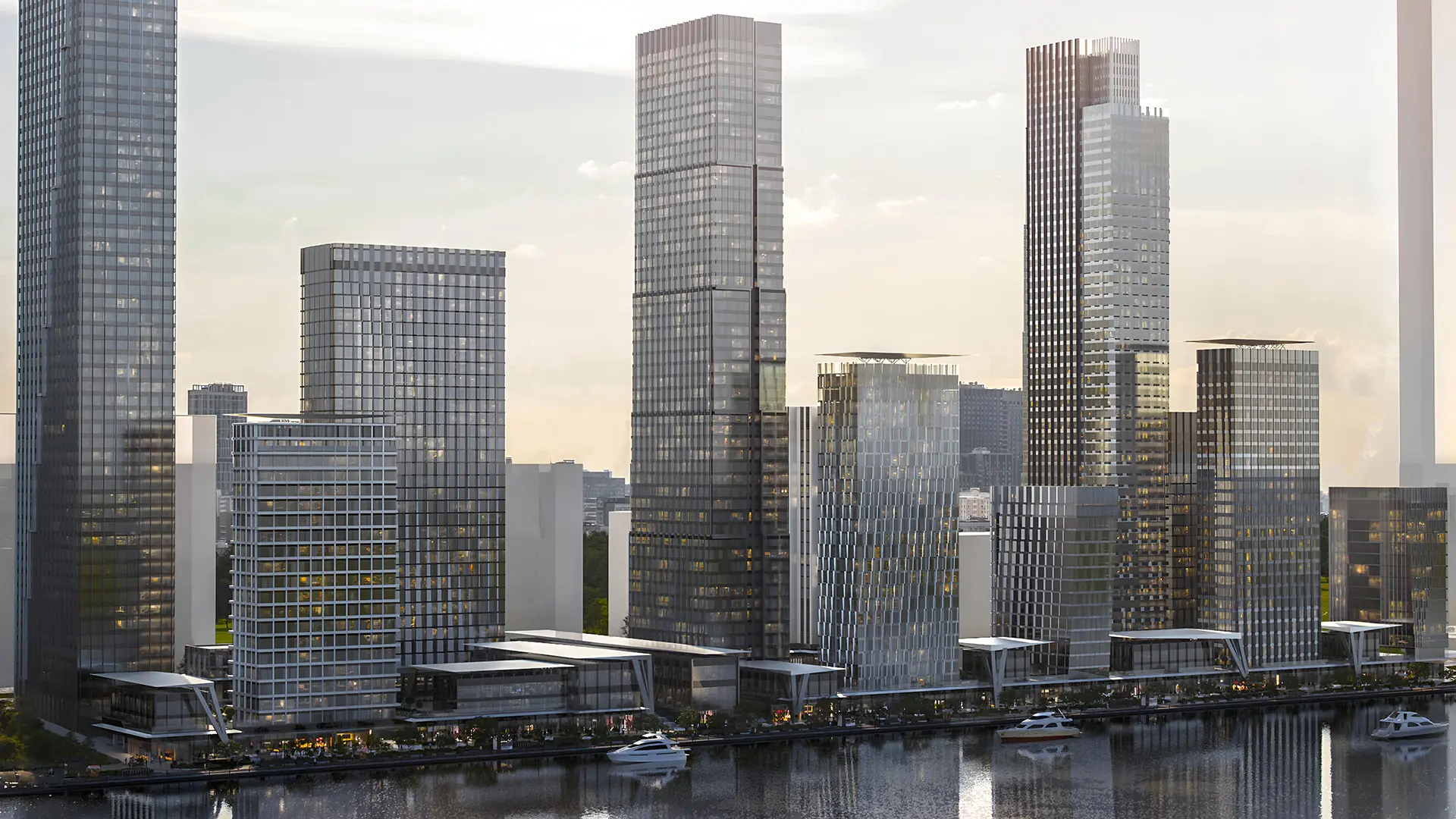

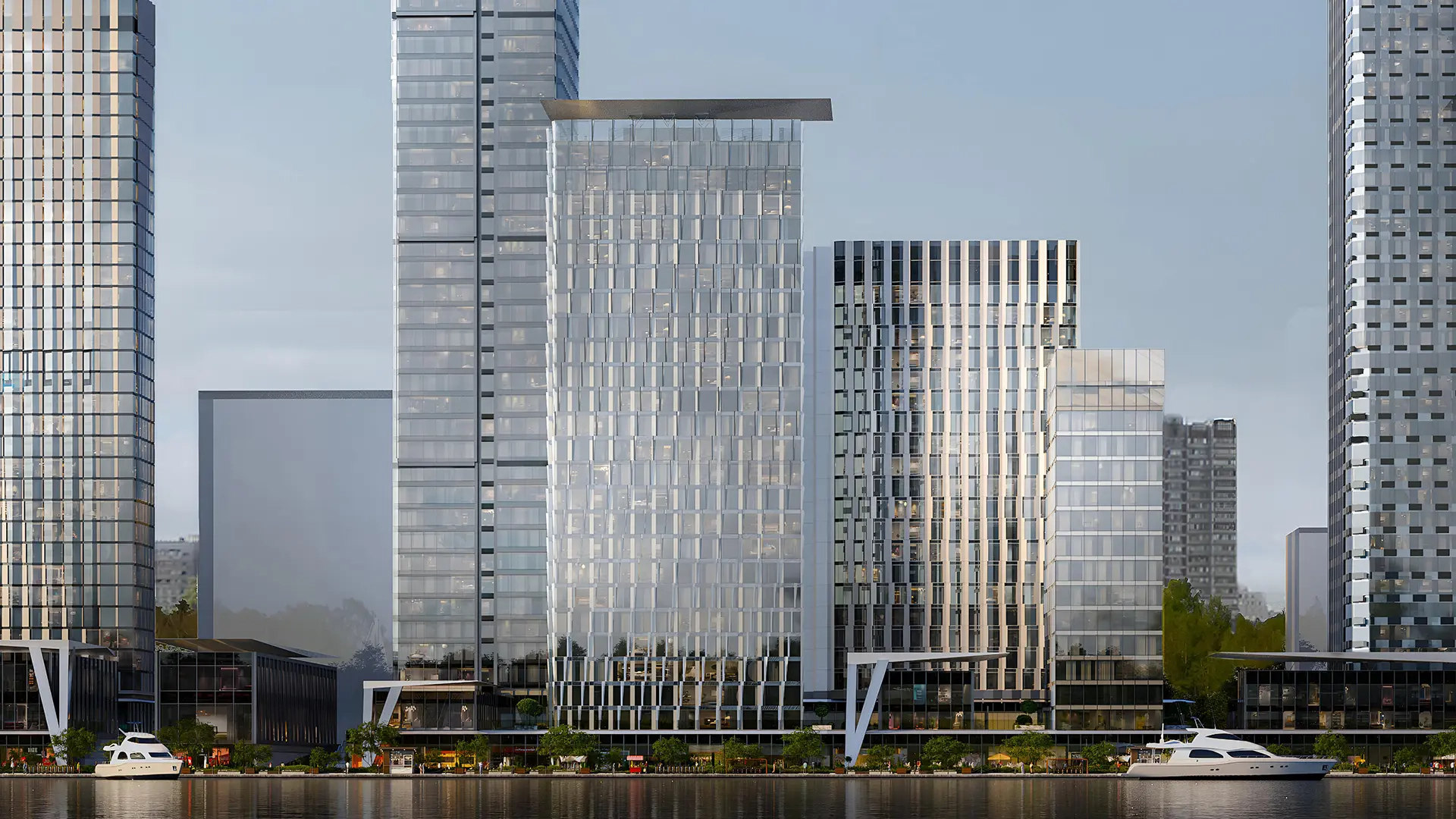

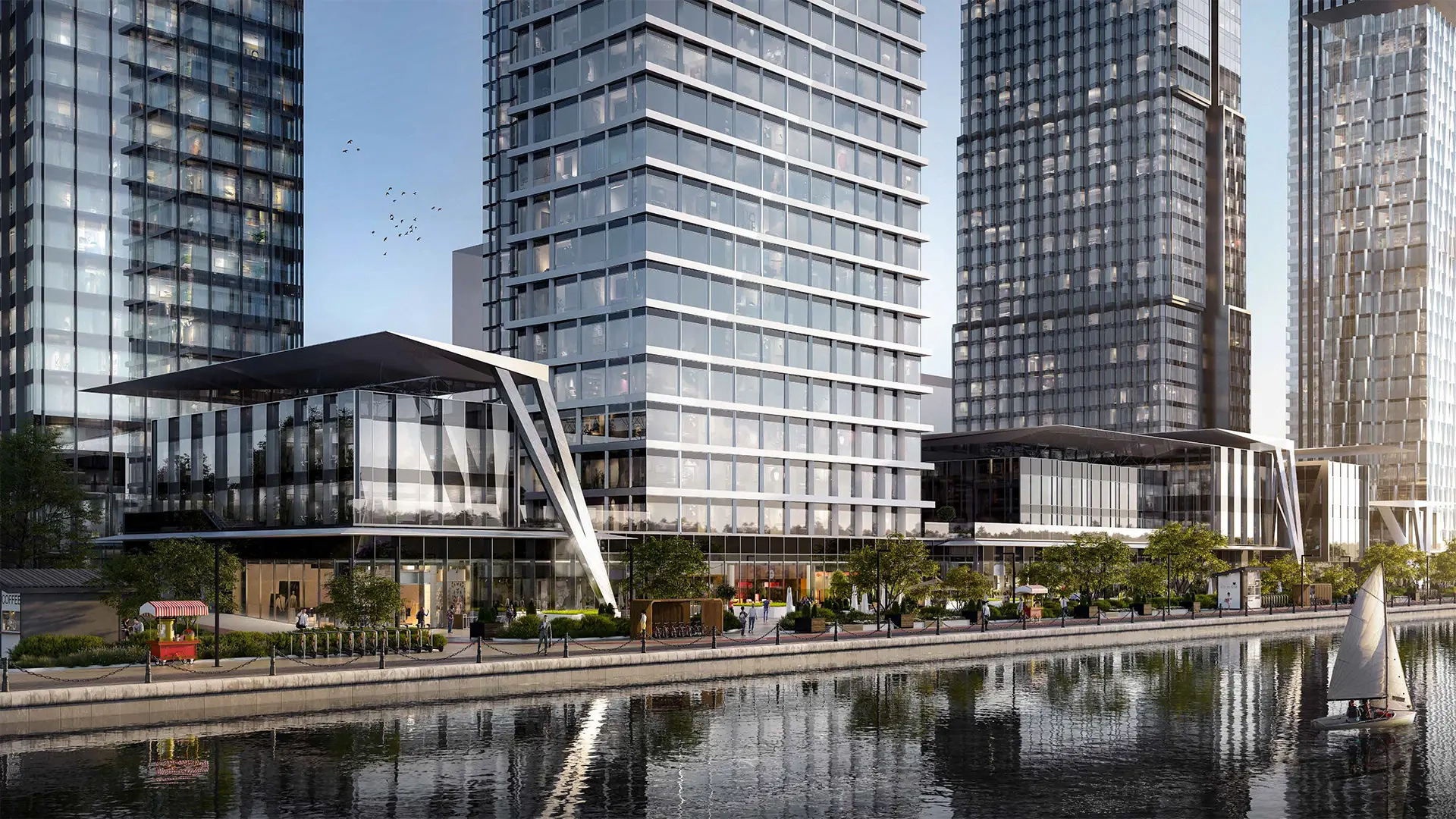
A business class project on the first line of the Moscow Canal. The first three phases include 12 buildings, kindergartens, schools and offices. There is a wide choice of apartments from studios to spacious residences. An important part of the project will be a landscaped embankment.
| Lots | Area from |
Price from
|
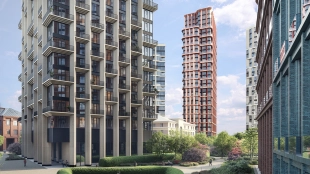
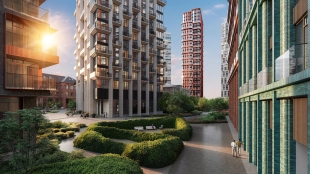

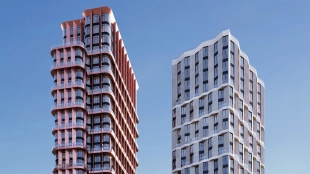


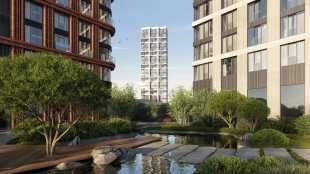
“Tishinsky Boulevard” is a quiet, green, upscale neighborhood in the prestigious and comfortable Tishinka district. Unique to this luxury development is a walking boulevard set within its vast 1.9-hectare park. Extensive amenities exclusively for residents. A clubhouse with a lounge, a children’s play area, and a fitness center with a pool. Each home features unique architecture with facades made of premium materials.
| Lots | Area from |
Price from
|
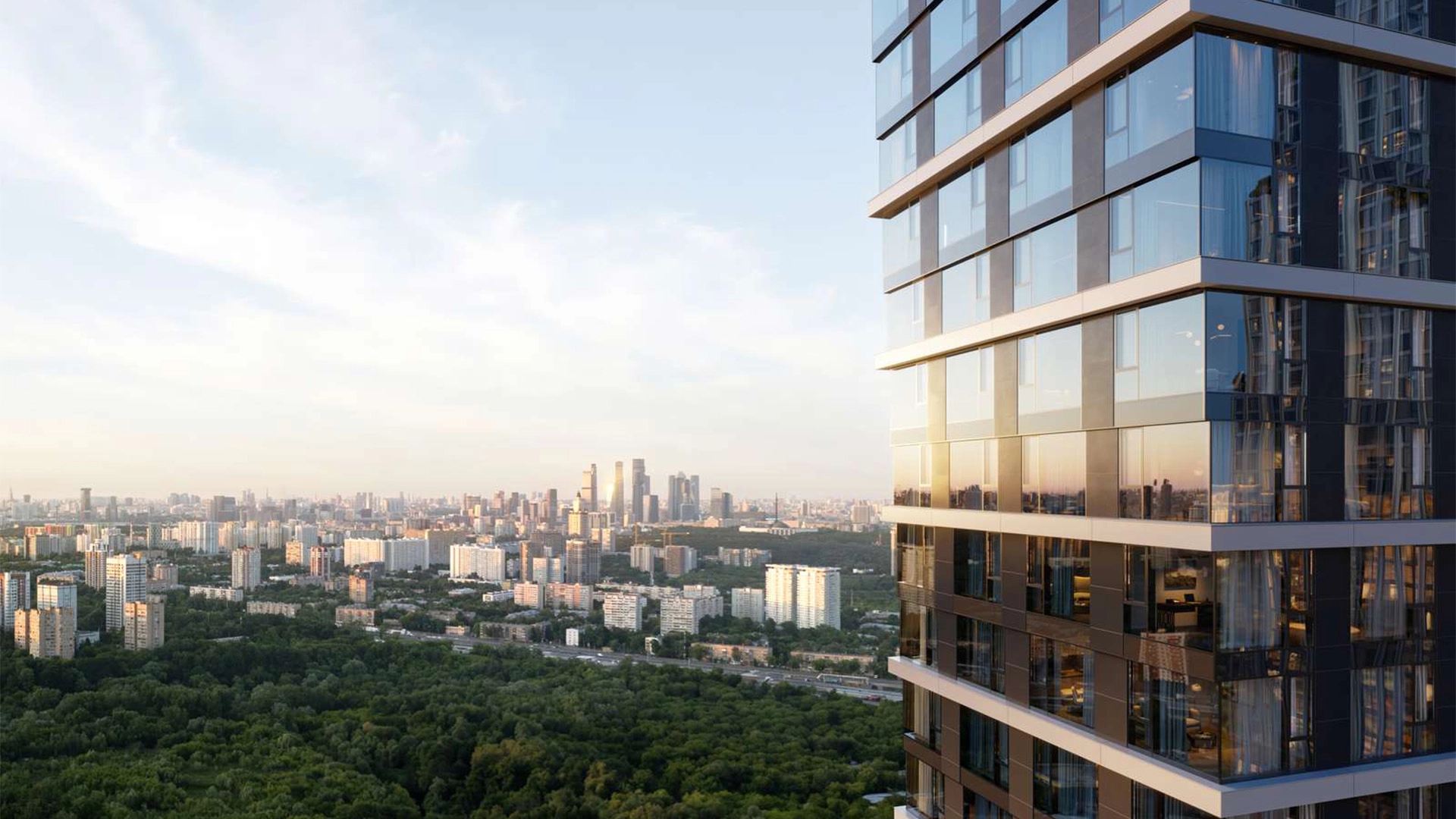


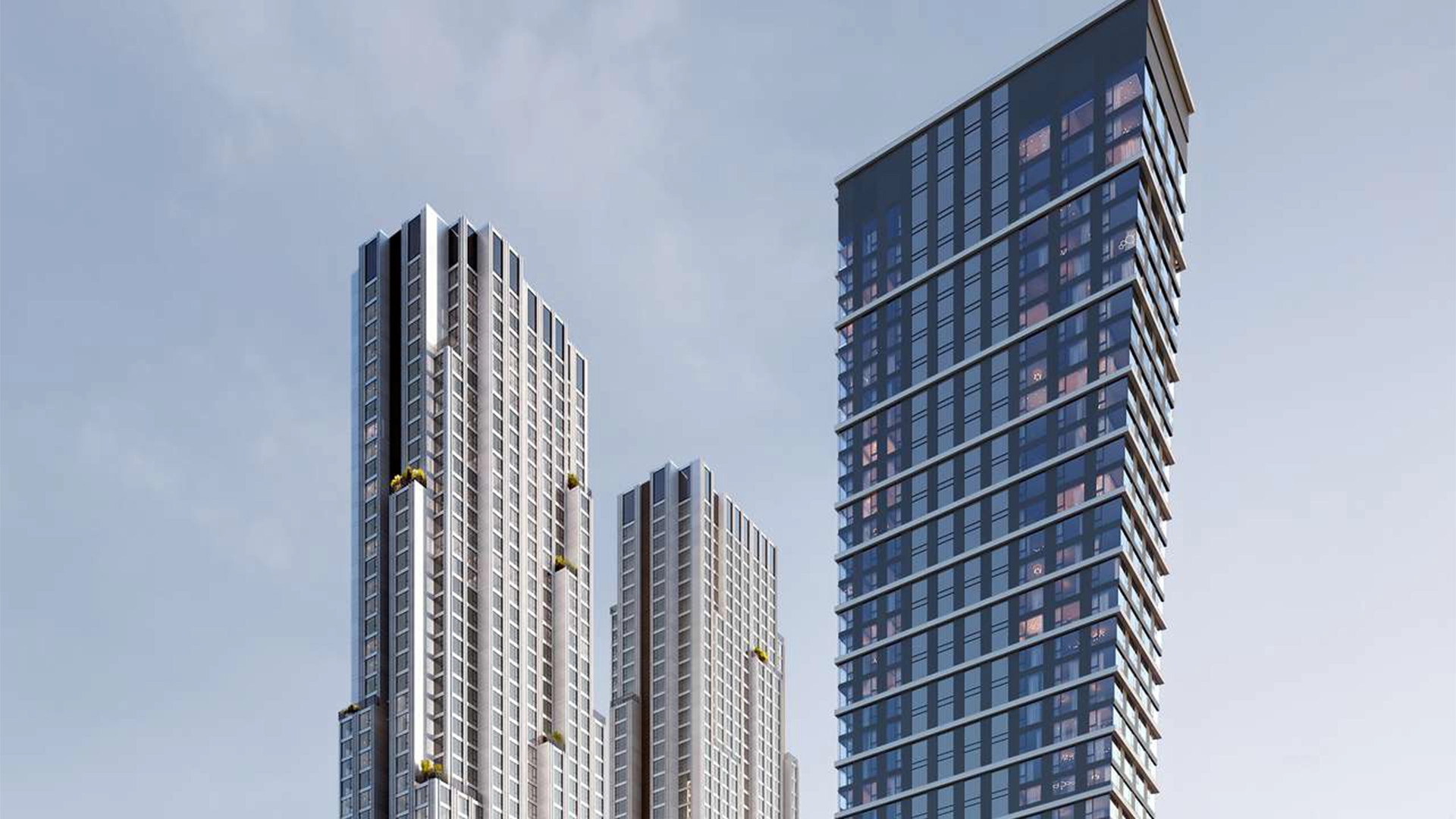

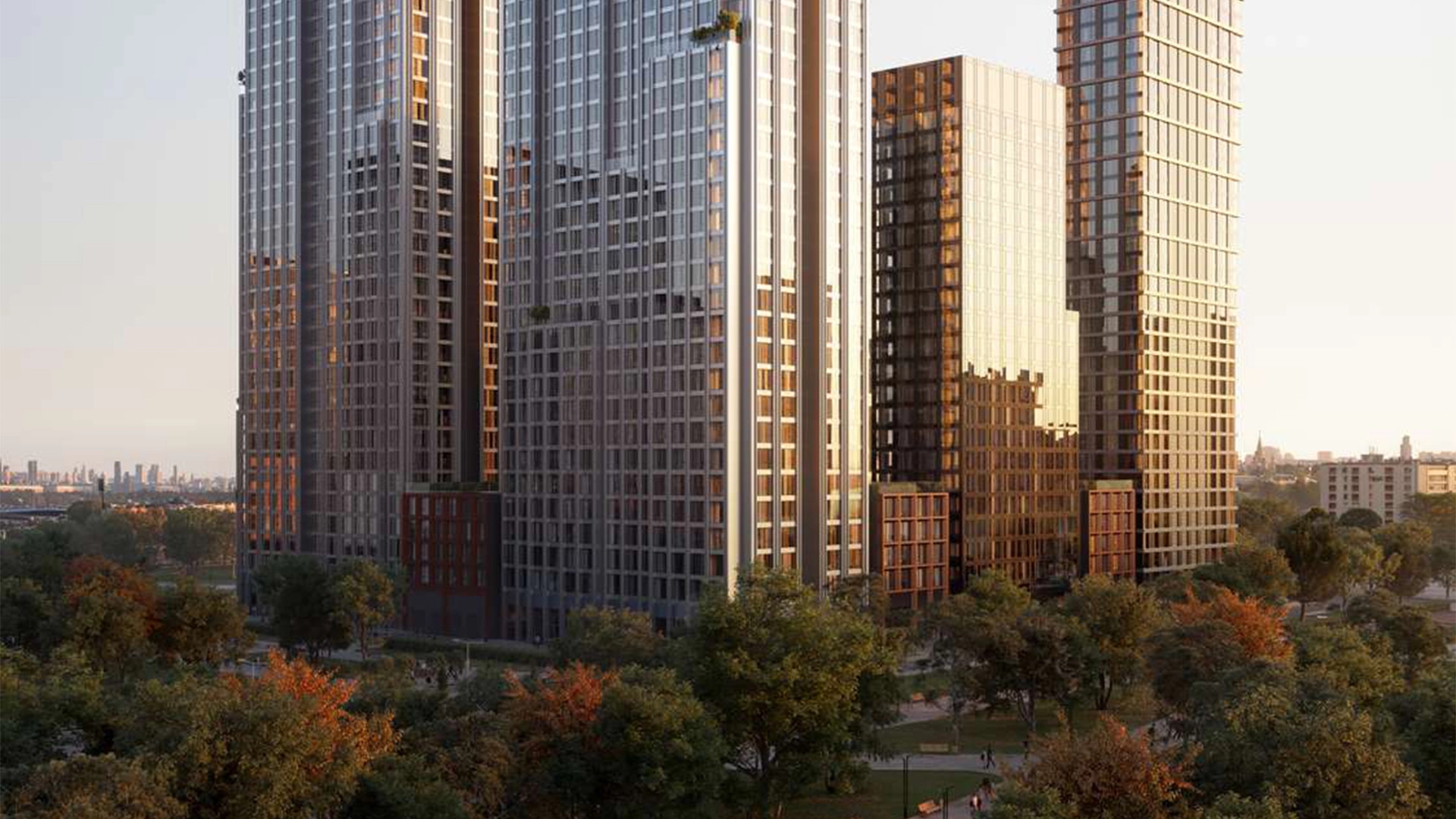


VEER is a business class residential quarter in Mozhaisky district. The project consists of 6 multi-height towers from 5 to 59 floors. The complex offers more than 200 planning solutions with whitebox finishing.
| Lots | Area from |
Price from
|
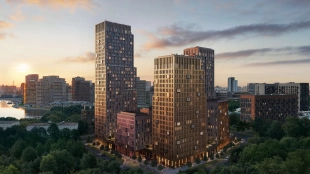
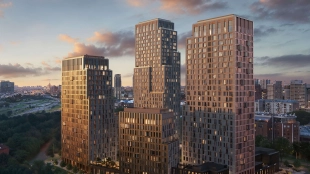
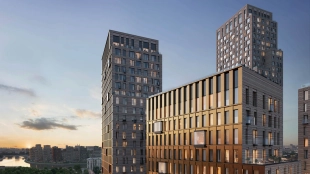
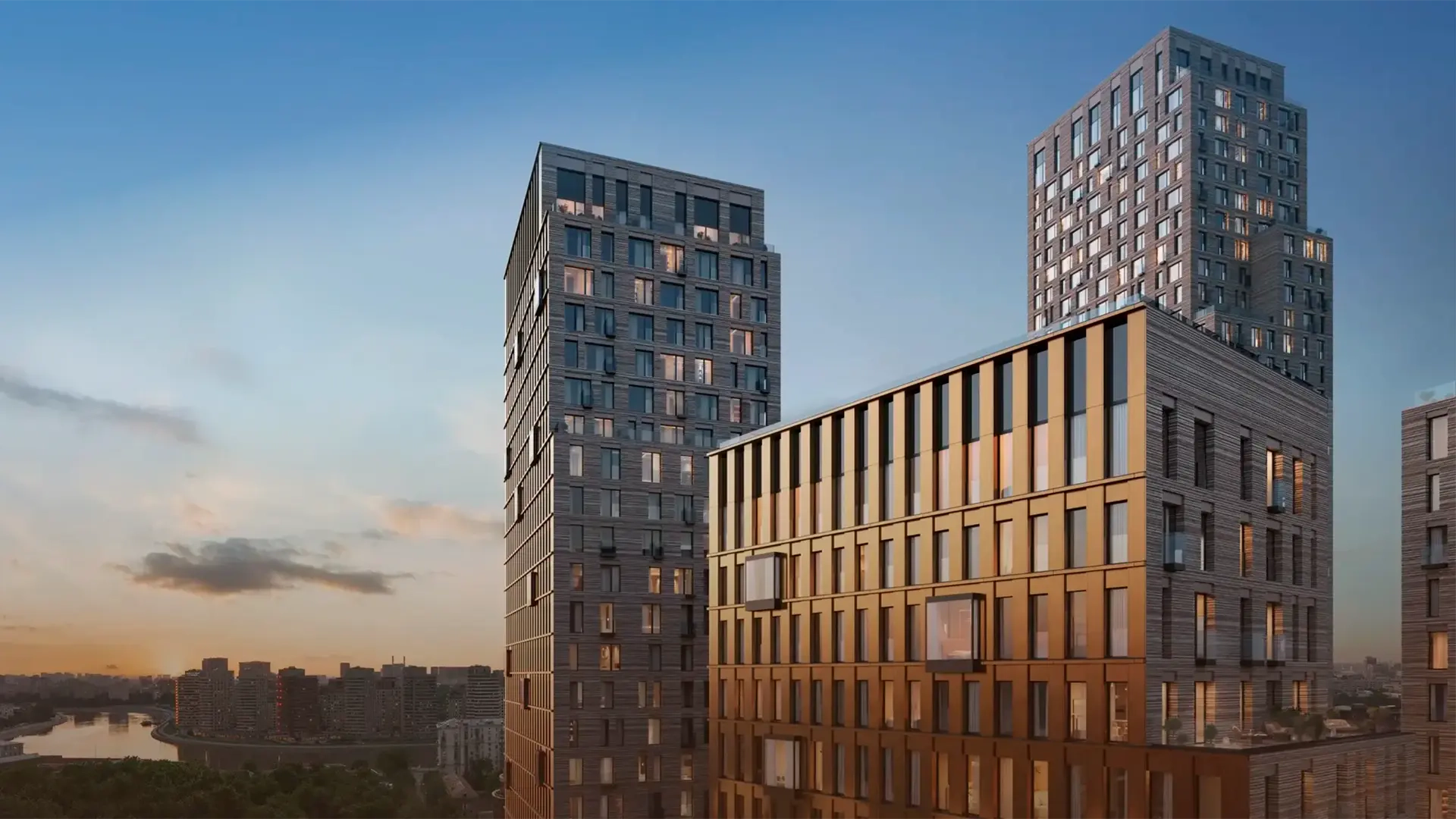

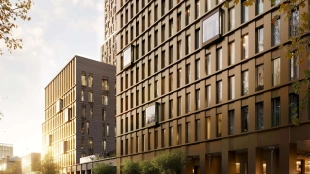
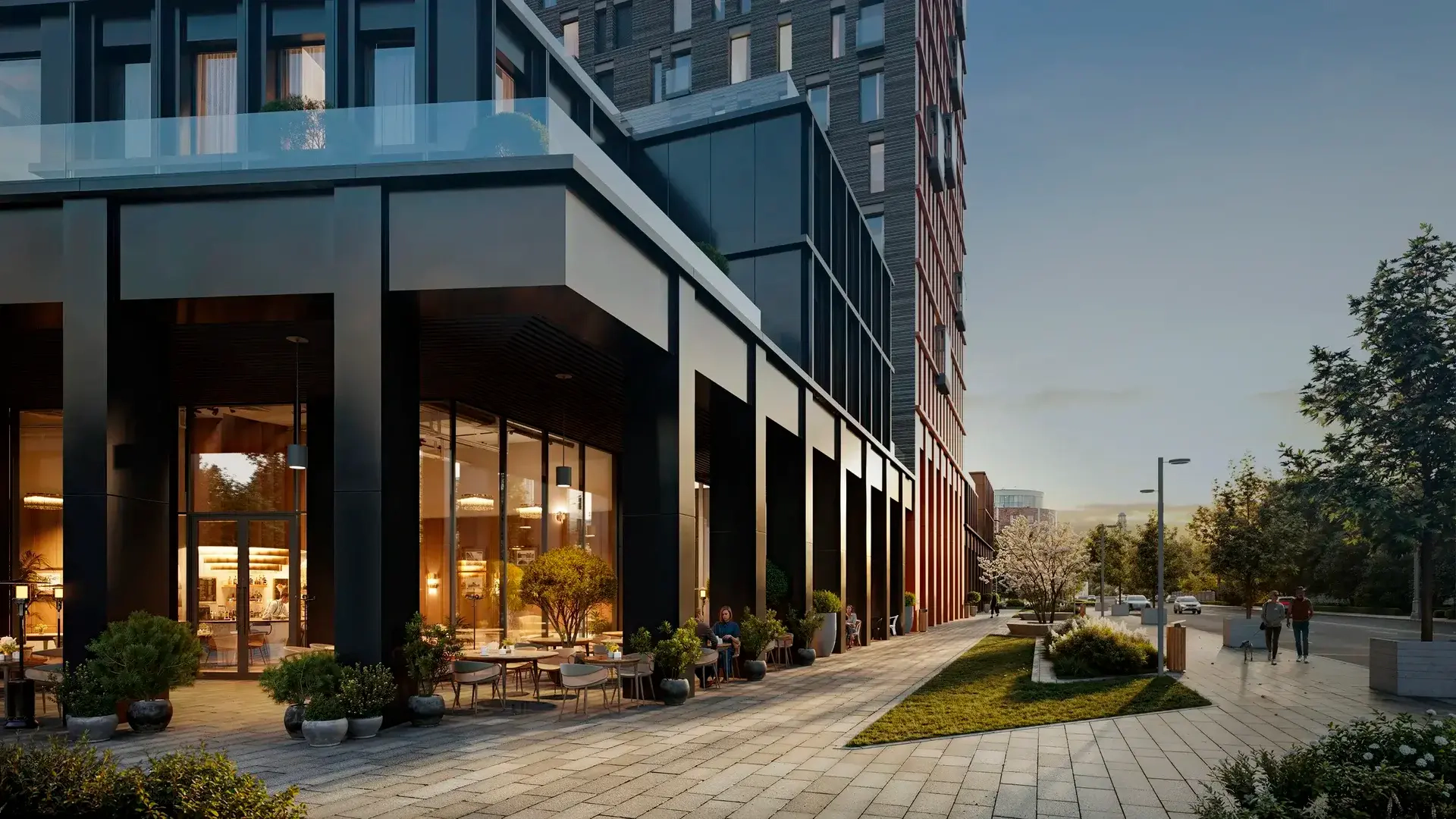
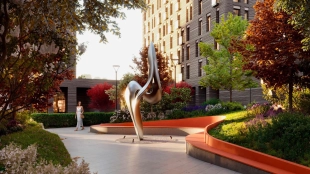

Business class complex of 6 buildings in Danilovsky district. The project offers variants from cozy studios to spacious penthouses with terraces. On the private territory there are recreation areas by the water, vorkout spaces, art-objects, street kvorking and children's playground.
| Lots | Area from |
Price from
|









Ultra-futuristic skyscraper with view apartments, offices, shopping gallery and restaurants in Moscow City. On the 85th floor Sky Garden is the highest park in Europe. The 379-meter high tower will be the tallest building in the capital.
| Lots | Area from |
Price from
|